
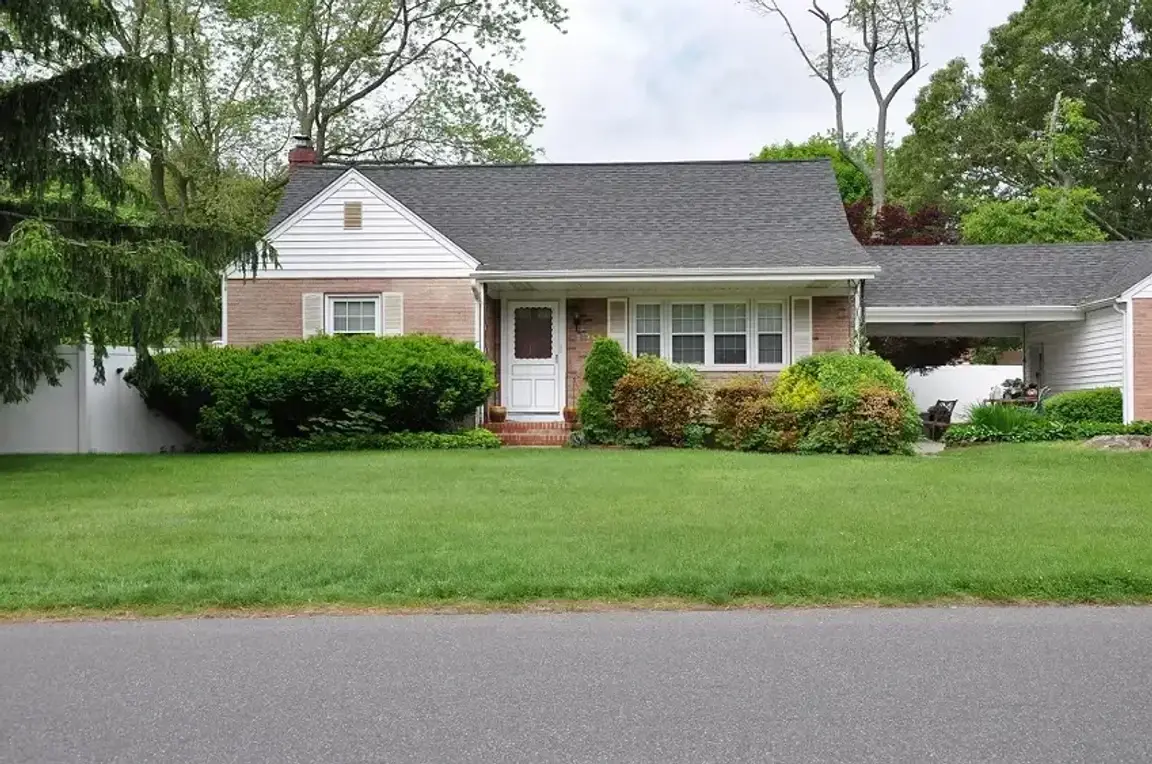
A house does not have to be move-in ready to be sellable.
Pennsylvania homeowners sell properties with leaking roofs, outdated electrical systems, water damage, foundation concerns, code violations, unpaid taxes, tenants, title problems, inherited ownership, and years of deferred maintenance. The more complicated the property becomes, however, the more important it is to identify what is actually making the sale difficult.
A damaged roof and a title defect are different problems. One primarily affects what buyers may pay; the other can interfere with the transfer itself. Spending thousands on renovations will not clear a lien or establish an heir’s authority to sell.
If you need to sell a distressed property in Pennsylvania, separate the physical condition from issues involving title, municipal requirements, tenants, financing, taxes, or ownership. Then compare the realistic cost and likely net result of repairing, listing as-is, or selling directly.
This guide covers the broader decision, while related Property Buyer Today guides throughout the article explore specific situations in more detail.
Can You Sell a Distressed Property in Pennsylvania?
Yes. A distressed property in Pennsylvania can often be sold without completing major repairs first. Depending on the property’s condition and any title, tax, tenant, lien, or municipal issues, you may repair and list it, sell it as-is, or consider a direct buyer. Compare expected net proceeds, required work, timing, and transaction risks before choosing a route.
What you should not assume is that calling a sale “as-is” eliminates every other responsibility.
Pennsylvania’s Real Estate Seller Disclosure Law generally requires sellers covered by the statute to disclose known material defects, subject to its rules and exceptions. The disclosure form covers matters including roofs, basements, structural problems, plumbing, electrical systems, water, sewage, and other property conditions. Review the Pennsylvania Real Estate Seller Disclosure Law or obtain appropriate professional guidance when you are unsure what applies.
If the property’s condition is your main concern, see selling a house as-is in Pennsylvania for a deeper explanation of that selling route.
“Distressed” Can Mean Several Different Things
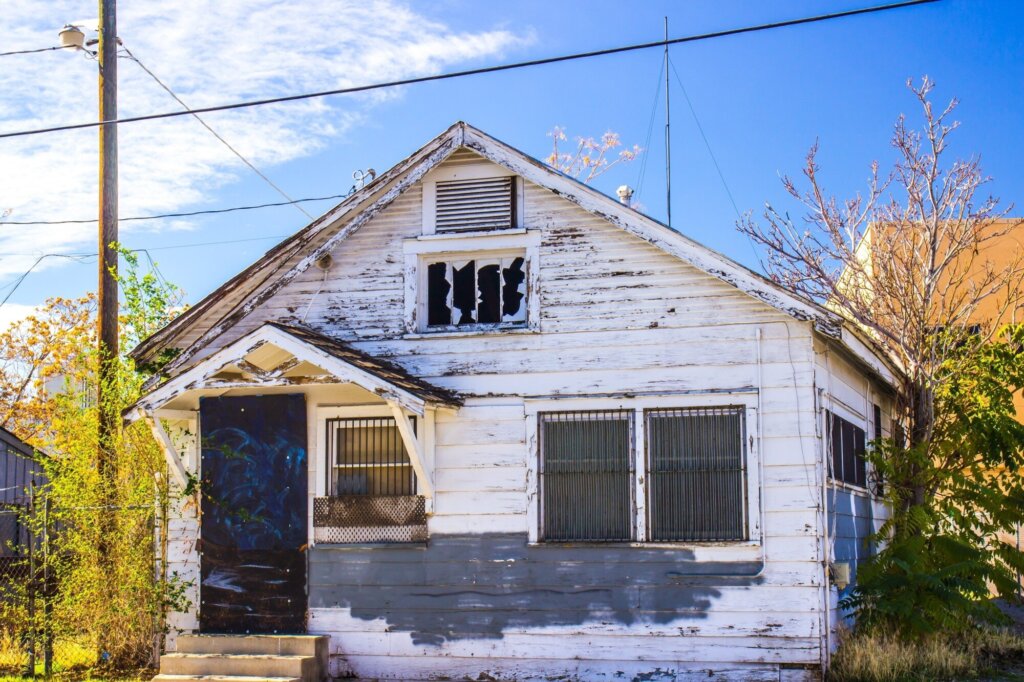
The term distressed property often combines problems that should actually be handled separately.
The house needs substantial repairs
Physical distress may involve:
- Roof or structural damage
- Foundation concerns
- Old electrical systems
- Plumbing or sewer failures
- Water intrusion
- Fire or smoke damage
- Mold or moisture problems
- Broken HVAC equipment
- Unfinished renovations
- Heavy clutter
- Unpermitted work
- Years of deferred maintenance
When condition is the primary issue, the question becomes economic: will repairing the property increase your net proceeds enough to justify the cost, time, and risk?
For more detail, read How to Sell a House That Needs Major Repairs in Pennsylvania and How to Price a House With Major Repairs in Pennsylvania.
The property has financial complications
The house itself may be usable while the owner is dealing with:
- Mortgage arrears
- Foreclosure pressure
- Back property taxes
- Recorded liens
- Municipal claims
- High carrying costs
- An inherited property that has become expensive to maintain
These issues should be investigated before major renovation spending because amounts owed at settlement can materially affect the seller’s proceeds.
Ownership or title is complicated
A property may also become difficult to sell because of:
- Multiple owners
- Multiple heirs
- Probate
- A deceased owner in the chain of title
- Judgment liens
- Ownership disputes
- Missing documents
- Divorce-related ownership questions
- Other title defects
If the house was inherited, start with selling an inherited house in Pennsylvania. For another example, see selling a house with title issues in Conshohocken.
Tenants or municipal requirements are affecting the sale
A distressed sale can also involve:
- Tenant occupancy
- Open permits
- Code violations
- Unpermitted improvements
- Rental licensing
- Municipal inspections
- Use and Occupancy requirements
- Unsafe-property or condemnation notices
For code-related properties, see how to sell a house with code violations in Pennsylvania.
Separate Closing Problems From Price Problems Before You Sell
This distinction can prevent a homeowner from spending money in the wrong place.
Problems that can interfere with closing
Investigate these early:
- Unclear ownership
- Estate authority
- Liens
- Delinquent taxes
- Municipal claims
- Open permits
- Transfer requirements
- Serious code or occupancy problems
- Lease or tenant issues
- Mortgage payoff complications
A renovated kitchen will not solve any of them.
Problems that mainly reduce value or buyer demand
These usually affect what buyers are willing to pay:
- Dated kitchens and bathrooms
- Old flooring
- Peeling paint
- Aging HVAC
- Roof condition
- Plumbing issues
- Electrical upgrades
- Water damage
- Foundation concerns
- Cleanup needs
Some serious physical defects can affect both categories because they may influence financing, insurance, safety, or municipal approval.
The goal is not to classify every defect perfectly. It is to identify what could complicate the transaction itself and what is mainly a pricing decision.
Repair It, List It As-Is, or Sell Directly?
Most distressed homeowners eventually compare three primary routes.
| Consideration | Repair, Then List | List As-Is | Direct As-Is Sale |
|---|---|---|---|
| Upfront seller cash | Usually highest | Lower | Often lowest |
| Renovation work | Significant | Limited | Usually limited |
| Market exposure | Broad | Broad but buyer pool may narrow | Limited to direct buyer |
| Traditional financing | More likely after suitable repairs | Depends on condition | Not needed for cash purchase |
| Showings | Usually required | Usually required | Often limited |
| Potential headline price | Often highest | Usually below repaired value | Often below retail value |
| Main risk | Renovation + market | Buyer + market | Buyer + contract |
| Best fit | Repairs offer strong upside | Seller wants exposure without renovating | Simplicity matters more than maximum exposure |
None is automatically best.
A house with manageable repairs may deserve broad retail exposure. A property with severe structural damage may appeal mostly to investors regardless of how it is marketed. A homeowner with months available to renovate has different priorities from someone carrying a vacant house they no longer want.
For a broader look at selling routes, see Sell Your House Fast in Pennsylvania: A Step-by-Step Guide.
If your decision is specifically between representation and a direct sale, Property Buyer Today’s Montgomery County real estate agent guide provides another useful comparison framework.
Should You Repair a Distressed House Before Selling It?
Instead of asking, “What could I fix?” ask:
Which repairs would materially expand the buyer pool or improve my likely net proceeds?
Repairs may make sense when they remove a major obstacle
A reasonably predictable repair that makes the property easier to finance, insure, inspect, or occupy may justify the cost.
Get actual contractor estimates rather than assuming the project will be inexpensive.
Cosmetic upgrades deserve more caution
New cabinets, countertops, flooring, landscaping, and paint may improve presentation without producing an equivalent financial return.
A useful test is:
Expected increase in sale proceeds
minus:
- Repair costs
- Additional carrying costs
- Financing costs
- Project risk
- Added selling expenses
If the likely gain is small, renovating simply to make the house look more conventional may not be worthwhile.
Major repairs can uncover additional work
A roof replacement may expose damaged decking. Plumbing repairs may uncover hidden water damage. Basement moisture may involve drainage, foundation, mold, or grading issues.
That uncertainty belongs in your decision.
Use the Pennsylvania major-repair selling guide and major-repair pricing guide to compare repaired and current-condition outcomes.
Pennsylvania Municipal Requirements Can Change the Sale
Property-transfer requirements are not uniform across Pennsylvania.
For example, Pottstown states that residential and commercial transfers require a code-compliance inspection before a Certificate of Occupancy is issued. Norristown maintains its own Use and Occupancy/property-transfer process, while Conshohocken has separate requirements through its Licenses & Inspections department.
For a distressed property, local rules may affect:
- Transfer inspections
- Use and occupancy
- Open permits
- Code notices
- Required paperwork
- Timing of settlement or occupancy
A buyer agreeing to purchase a house “as-is” does not necessarily eliminate municipal procedures.
Before accepting an offer, contact the borough, township, or city where the property is located. Do not assume that rules in Pottstown, Norristown, Conshohocken, Blue Bell, King of Prussia, or another Pennsylvania community are interchangeable.
If violations already exist, use the detailed Pennsylvania code-violation guide.
Liens, Back Taxes, and Title Problems Should Be Investigated Early
A willing cash buyer does not eliminate title problems.
A title or settlement professional may identify:
- Mortgages
- Judgments
- Tax claims
- Ownership discrepancies
- Estate problems
- Other recorded interests
Some may be resolved through settlement proceeds. Others may require additional documents or legal work.
If you already know a lien exists, investigate it before the closing date approaches. Property Buyer Today also has a localized guide to selling a house with a lien in Pottstown.
What if the property has back taxes?
The answer depends on the type of tax, taxing authority, amount owed, and collection status.
The Pennsylvania Department of Revenue provides information about Pennsylvania state tax liens, but state tax liens are not the same as every county, municipal, school-district, or real-estate-tax claim.
Property-specific payoff information should come from the relevant authority or settlement professional.
You can also review Property Buyer Today’s guide to selling a house with a tax lien in King of Prussia.
What if there is a title defect?
Missing heirs, deed errors, disputed ownership, deceased owners, and similar problems may require professional title or legal assistance.
A direct buyer may be comfortable buying a damaged property. That does not mean the buyer can bypass a defect in ownership.
For an example, see selling a house with title issues in Conshohocken.
Selling a Distressed Rental Property With Tenants Requires a Different Plan
A distressed rental can combine property damage with occupancy and landlord issues.
An owner-occupant buyer may want the house vacant, while another landlord or investor may be willing to purchase with the tenant in place.
Before marketing the property, gather:
- The current lease
- Rent history
- Security-deposit information
- Tenant communications
- Access arrangements
- Records of any disputes
Selling the house does not automatically erase tenant rights or an existing lease.
For more detail, read Selling a House With Tenants in Pennsylvania and the Pennsylvania rental-property selling guide.
The Pennsylvania Attorney General also provides consumer information on landlord and tenant rights.
Selling an Inherited Distressed Property
An inherited house may come with deferred maintenance, belongings, unpaid bills, tenants, or major repairs.
Before worrying about renovations, determine who has authority to sell.
Probate status, estate administration, deed ownership, and multiple heirs can affect the transaction. When authority is unclear, speak with an appropriate Pennsylvania probate or estate attorney and the relevant county office.
Start with selling an inherited house in Pennsylvania. If estate administration is still underway, see selling a house during probate in Pennsylvania.
Once ownership is clear, compare repairing, cleaning out, listing as-is, and direct-sale options separately.
A Vacant Distressed House Creates Its Own Costs
Vacancy may simplify showings, but it can introduce other problems:
- Undetected leaks
- Frozen pipes
- Vandalism or unauthorized entry
- Pest activity
- Exterior deterioration
- Utility problems
- Municipal notices
- Ongoing taxes and maintenance
- Insurance concerns
Contact your insurer if a property becomes vacant and confirm the requirements of your policy rather than assuming coverage remains unchanged.
For a local example, see Property Buyer Today’s guide to selling a vacant home in Hatboro.
Vacancy also makes carrying costs important. Waiting for a higher price only improves the financial result when the extra proceeds exceed the expenses and risks of continuing to own the house.
If Foreclosure Is Creating the Deadline
Mortgage delinquency can add deadlines that do not exist in an ordinary distressed sale.
Do not assume selling to the first investor who contacts you is the only option.
Pennsylvania homeowners can access foreclosure-prevention counseling through the Pennsylvania Housing Finance Agency. PHFA also administers HEMAP, which it describes as a loan program for qualifying homeowners facing foreclosure.
Review PHFA foreclosure-prevention resources and Property Buyer Today’s guide to selling a Pennsylvania house to avoid foreclosure.
If selling will be part of the solution, starting early gives more time to address title, payoff, buyer funding, and settlement requirements.
How to Evaluate a Cash Offer on a Distressed House
Cash removes the buyer’s need for traditional mortgage financing. It does not eliminate the need to understand the agreement.
Before signing, ask:
- Who is actually purchasing the property?
- Is the contract assignable?
- Can the buyer show proof of funds?
- Is there an inspection or due-diligence period?
- What allows the buyer to terminate?
- Can the price be renegotiated?
- What deposit is required?
- Who pays which settlement expenses?
- Which title or settlement company will handle closing?
- Does the property need to be vacant?
- Must all belongings be removed?
- What happens if title work delays settlement?
- What happens if the buyer does not close?
A larger offer with broad cancellation rights may be less attractive than a somewhat lower offer with clearer terms.
Read how cash home buyers work in Pennsylvania and companies that buy houses in any condition for more direct-buyer guidance.
Compare Realistic Net Proceeds, Not Just Sale Prices
One of the weakest comparisons a distressed seller can make is:
renovated retail value vs. as-is cash offer
A renovated house and a distressed house in today’s condition are not the same product.
A more useful comparison is:
Repair and list
Expected repaired sale price
minus:
- Contractor costs
- Permits
- Cleanup
- Carrying costs
- Selling expenses
- Concessions
- Cost overruns
List as-is
Expected current-condition sale price
minus:
- Applicable selling expenses
- Carrying costs
- Concessions
- Preparation you choose to complete
Sell directly
Written purchase price
minus:
- Expenses assigned to you under the agreement
- Mortgage payoff
- Liens
- Taxes
- Other obligations paid from proceeds where applicable
Pennsylvania also imposes a 1% state realty transfer tax on taxable transfers, and local realty transfer taxes may also apply. The Pennsylvania Department of Revenue’s Realty Transfer Tax guidance explains the state tax. Confirm the actual transaction costs with your settlement or tax professional.
How Repair Costs Can Change the Selling Decision
Consider a hypothetical example only; these figures are illustrative and are not Pennsylvania market averages or a valuation of any specific property.
A homeowner believes a fully repaired house could sell for $360,000.
Estimated costs:
- Repairs: $58,000
- Carrying costs during the project and sale: $12,000
- Estimated selling-related expenses: $22,000
Simplified repaired-sale result:
$360,000 – $58,000 – $12,000 – $22,000 = $268,000
Now suppose the owner receives a direct as-is offer of $257,000 that requires no major renovation before closing.
The repaired route appears $11,000 higher in this simplified comparison, but that difference must compensate the owner for renovation management, money tied up in repairs, possible cost overruns, newly discovered problems, and additional market risk.
One homeowner may decide the potential upside is worth it. Another managing a vacant inherited property from another state may reasonably value the simpler as-is route more highly.
The useful comparison is not repaired value versus as-is offer. It is the realistic net result of each option.
What to Gather Before Accepting an Offer
You do not need to renovate the property to make the transaction organized.
Gather documents you already have, including:
- Deed or ownership information
- Mortgage details
- Tax bills
- Lien notices
- Municipal letters
- Code notices
- Permit records
- Inspection reports
- Contractor estimates
- Repair invoices
- Insurance claim records
- Lease documents
- Security-deposit records
- Estate or probate documents
The purpose is to identify issues before they surface late in the transaction.
Need to Sell a Distressed House Fast? Remove Uncertainty Early
Finding a buyer is only one part of closing.
A distressed sale can still slow down because nobody checked:
- Who can legally sign
- Whether liens exist
- The mortgage payoff
- Municipal requirements
- Whether tenants will remain
- Whether the buyer has funds
- What contingencies apply
- Whether probate documents are available
- Whether open permits need attention
If speed matters, investigate those items while comparing selling options.
For the broader process, see Sell Your House Fast in Pennsylvania: A Step-by-Step Guide.
Frequently Asked Questions About Selling a Distressed Property in Pennsylvania
Can I sell a distressed property as-is in Pennsylvania?
Yes. You may be able to sell without completing major repairs first. However, an as-is sale does not automatically remove applicable disclosure, title, contractual, or municipal requirements.
Do I have to repair a distressed house before selling it?
No. Repairs may be worthwhile when they materially increase marketability or expected net proceeds, but expensive renovations are not always necessary. Compare repair costs, carrying costs, and likely sale proceeds first.
How do I sell a house that needs major repairs in Pennsylvania?
You can repair before listing, list the property in its current condition, or consider a direct as-is buyer. The stronger option depends on repair costs, current-condition value, financing limitations, and your timeline.
Can I sell a Pennsylvania house with code violations?
Potentially, yes. The process depends on the violations and local municipal requirements. Contact the relevant borough, township, or city before assuming a buyer can simply take over every issue.
Can I sell a house with liens or back property taxes in Pennsylvania?
A sale may still be possible, but liens and delinquent taxes can affect title and your proceeds. A settlement or title professional can identify what must be addressed for the transaction.
Can I sell a distressed rental property with tenants?
Often, yes. The lease, tenant rights, security deposit, access arrangements, and any disputes can affect how the property is sold. Gather tenant records before marketing or accepting an offer.
Can I sell an inherited distressed house in Pennsylvania without fixing it?
Potentially. First confirm who has legal authority to sell and whether probate, estate, heir, or title issues need resolution. After that, compare repairs, an as-is listing, and direct-sale options.
Is a cash buyer or real estate agent better for a distressed house?
Neither is automatically better. An agent can provide broad market exposure, while a direct buyer may reduce repair, showing, financing, or timing complications. Compare realistic net proceeds and contract terms.
How fast can I sell a distressed house in Pennsylvania?
The timeline depends on title, municipal requirements, liens, property condition, tenants, buyer financing, and other transaction issues. Resolving those uncertainties early can matter more than simply finding a buyer quickly.
Will I get less money if I sell my distressed house as-is?
The sale price may be lower than the value of the same property after successful renovations. That does not automatically mean your net proceeds will be lower once repair costs, carrying expenses, selling costs, time, and project risk are included.
Separate Property Problems From Closing Problems Before You Sell
A distressed property often looks like one large problem when it is actually several smaller ones.
A physical defect may reduce price. A title problem may delay closing. A municipal issue may affect transfer or occupancy. A mortgage or tax problem may affect how much time the owner has.
Start with the issues that could interfere with the transaction.
Confirm ownership. Investigate liens and delinquent taxes. Review municipal notices and permits. Understand leases or occupancy concerns. Then put realistic numbers around repairs and the property’s current condition.
For some homeowners, repairing and listing will produce the strongest result. Others may benefit from an as-is MLS listing that exposes the property to renovation buyers and investors. For someone dealing with a vacant, inherited, tenant-occupied, or heavily damaged house, a direct sale may be worth considering because it reduces the amount of work and uncertainty involved.
If you want another number to include in that comparison, Property Buyer Today can review the property and provide an as-is cash offer. Compare it with your realistic listing net, repair budget, carrying costs, contract terms, and available time before deciding how to sell.
This article is for general educational purposes and is not legal, tax, financial, insurance, or real estate advice. Pennsylvania laws and municipal procedures can vary by property, transaction, and location. Consult the appropriate Pennsylvania attorney, tax professional, title or settlement professional, lender, insurance provider, housing counselor, or municipal official for advice about your specific situation.