
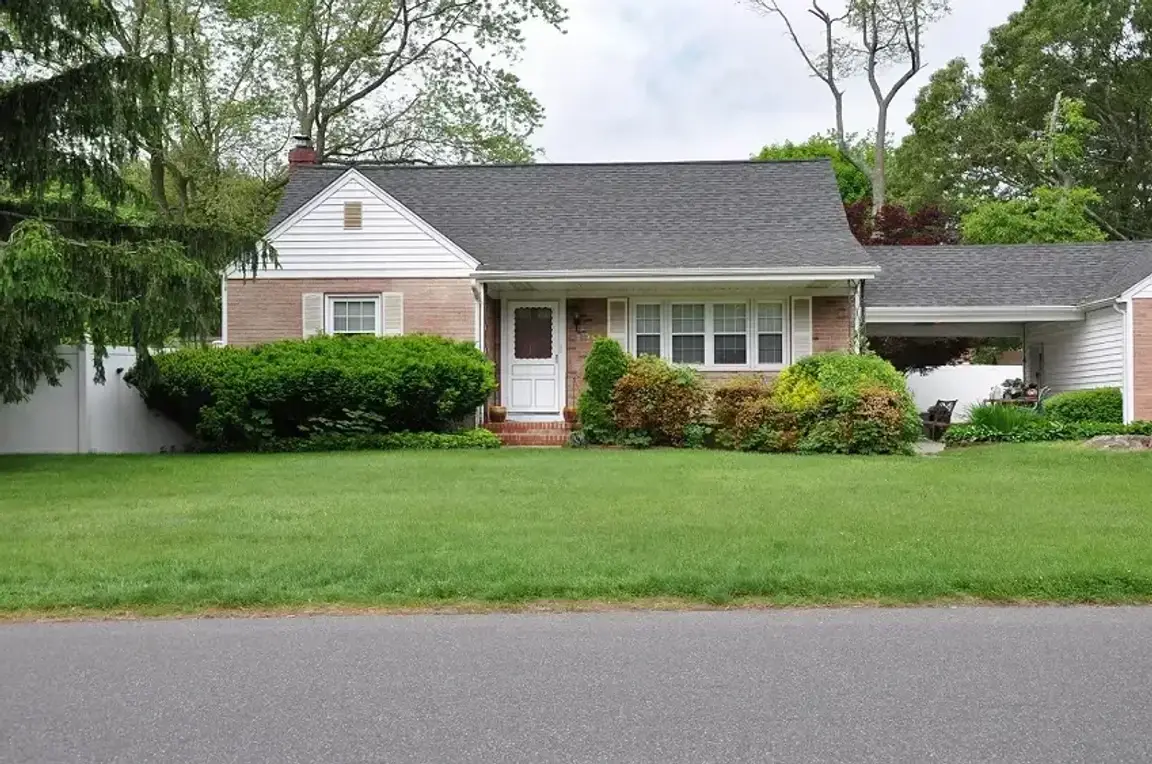
Can You Sell a House With a Lien in Pottstown, PA? A Step-by-Step Guide

Yes, you can sell a house with a lien in Pottstown, Pennsylvania. You may even be able to list the property and accept an offer before the lien is paid.
However, the lien generally must be paid, released, discharged, disputed, negotiated, or otherwise properly addressed before or during closing. The exact solution depends on the type of lien, its current payoff amount, the home’s value, available equity, lien priority, and the title requirements in the purchase agreement.
This guide explains how liens affect a Pottstown home sale, how they are commonly handled through settlement, what happens when the proceeds are insufficient, and how to compare your selling options.
Quick Answer
A Pottstown homeowner can sell a property with a mortgage, tax lien, judgment, mechanic’s lien, municipal claim, or association lien. A title search should identify recorded claims, and current payoff statements should establish what is owed.
When the property has enough equity, liens can often be paid from the sale proceeds at closing. When there is not enough money to satisfy every debt, the sale may require additional seller funds, creditor negotiations, a lien discharge, a disputed-lien resolution, or lender approval for a short sale.
Important Disclaimer: This article provides general homeowner education and is not legal, tax, financial, accounting, title, appraisal, or real estate advice. Lien validity, priority, payoff requirements, release procedures, taxes, municipal obligations, and contract terms vary. Consult a qualified Pennsylvania attorney, tax professional, mortgage servicer, lienholder, settlement company, title professional, or appropriate government office about your situation.
What Is a Property Lien?
A lien is a claim or charge connected to real property because of a debt or legal obligation. A lender, government agency, creditor, contractor, condominium association, homeowners association, or municipality may hold the claim.
A lien does not automatically reduce the physical market value of your house. It primarily affects the title and how the sale proceeds are distributed.
For example, a property may sell for $285,000 even though it has a $20,000 judgment lien. The lien would normally be paid or otherwise addressed during settlement, reducing the amount left for the seller.
This distinction is important:
- Sale price: What the buyer agrees to pay
- Lien payoff: What must be distributed to a creditor
- Seller expenses: Transfer taxes, settlement costs, concessions, and other obligations
- Net proceeds: The amount remaining for the seller
Common Liens That Can Affect a Pottstown Home Sale
Mortgage and Home-Equity Liens
Most financed properties have a mortgage lien. A second mortgage or home-equity line of credit may create another claim against the property.
The amount on your monthly statement may not be the amount required to satisfy the loan at closing. The Consumer Financial Protection Bureau’s mortgage payoff guidance explains that a payoff can include interest through the payment date and unpaid fees that do not appear in the current principal balance.
Property-Tax and Municipal Liens
Unpaid property taxes and certain municipal balances can affect a transfer.
Pottstown’s residential property-transfer checklist states that outstanding water, sewer, and trash bills, local and school taxes, and Clean & Lien accounts must be paid in full. It also addresses rental registration and a range of property-condition requirements.
Pennsylvania State Tax Liens
The Pennsylvania Department of Revenue may file liens through county prothonotary offices for unpaid state taxes.
The amount shown on Pennsylvania’s public lien list may not equal the current payoff because payments, interest, and penalties can change the balance. The Department’s official Pennsylvania tax-lien guidance also provides information about requesting a payoff and obtaining a satisfaction after the liability is resolved.
Federal Tax Liens
A federal tax lien may be paid from the proceeds when sufficient equity exists.
When the home is selling for less than the lien amount, the IRS says the taxpayer may request a discharge of the property from the lien so the sale can be completed. A discharge is not automatic and does not necessarily erase the underlying tax debt. Review the IRS resource What If There Is a Federal Tax Lien on My Home? and begin the process well before the expected settlement date.
Judgment Liens
A creditor that wins a lawsuit may obtain a judgment that affects real estate owned by the debtor.
Whether a particular judgment attaches to the property, remains enforceable, or must be paid at closing can depend on several legal factors. Do not assume that every judgment appearing under an owner’s name affects the property in the same way.
Mechanic’s Liens
Contractors, subcontractors, or material suppliers may file mechanic’s liens over unpaid labor or materials.
Pennsylvania mechanic’s lien claims can involve strict filing rules, notices, and deadlines. A disputed claim should be reviewed by a qualified Pennsylvania attorney rather than treated as a routine bill.
HOA or Condominium Liens
A homeowners association or condominium association may claim unpaid assessments, fees, interest, fines, legal charges, or other authorized amounts.
Request an updated resale statement or payoff. Do not rely on an old notice because additional assessments or collection expenses may have accrued.
Does the Lien Have to Be Paid Before You List the House?
Not necessarily.
You may be able to market the property and enter into a purchase agreement while a lien remains recorded. The important question is whether there is a credible plan to address it before or during settlement.
Possible solutions include:
- Paying the lien from the closing proceeds
- Paying it before closing
- Negotiating a written reduced payoff
- Disputing an invalid or incorrect claim
- Obtaining and recording a satisfaction or release
- Securing an approved discharge of the property
- Contributing additional seller funds
- Completing a lender-approved short sale
- Using another arrangement accepted by the lienholder and settlement provider
The appropriate solution depends on the specific lien. A cash buyer cannot unilaterally remove a creditor’s claim or guarantee that a reduced payoff will be approved.
How to Sell a House With a Lien in Pottstown
Step 1: Identify Every Claim Against the Property
Start with a professional title search. Give the title or settlement company any mortgage statements, tax notices, court documents, contractor disputes, association statements, and municipal bills you have received.
The search may uncover issues you did not know about, such as:
- An old mortgage that was paid but never released
- A judgment involving one of the owners
- Delinquent taxes
- A mechanic’s lien
- A municipal claim
- An estate or ownership problem
- An incorrect name on the deed
Pottstown is in Montgomery County. The Montgomery County Recorder of Deeds Public Access System allows users to search current and historical land records, including deeds, mortgages, and mortgage satisfactions. Public research can be helpful, but it should not replace a professional title examination.
Step 2: Request Current Payoff Statements
Ask each lienholder for a written payoff, or authorize the settlement provider to request one.
A useful payoff should identify:
- The amount required
- The date through which it is valid
- Daily interest after that date
- Acceptable payment instructions
- Release or satisfaction procedures
- Conditions attached to any reduced payoff
Do not use a verbal estimate to calculate your final proceeds.
Step 3: Estimate Your Equity and Likely Net Proceeds
Your equity is not simply the sale price minus the mortgage. You must also account for other liens and transaction expenses.
Consider this illustrative example:
| Calculation | Amount |
|---|---|
| Purchase price | $285,000 |
| Mortgage payoff | −$145,000 |
| Pennsylvania tax lien | −$12,000 |
| Judgment lien | −$8,000 |
| Estimated seller expenses | −$15,000 |
| Estimated proceeds to seller | $105,000 |
These figures are examples only. Actual payoffs, interest, penalties, taxes, credits, and settlement expenses must be confirmed.
Pennsylvania generally imposes a 1% state realty transfer tax on taxable transfers, and an additional local transfer tax may apply. The Commonwealth states that the grantor and grantee are jointly and severally liable, although the agreement may allocate the expense between them. Review the Pennsylvania realty transfer tax guidance and confirm the calculation with your settlement provider.
For a broader net-proceeds framework, read the step-by-step guide to selling a house fast in Pennsylvania.
Step 4: Determine Whether the Proceeds Are Sufficient
When the purchase price is enough to cover the mortgage, liens, taxes, and transaction expenses, the settlement company can often distribute the required payments and release the remaining proceeds to the seller.
A more difficult situation occurs when the expected sale funds are insufficient.
| Calculation | Amount |
|---|---|
| Purchase price | $220,000 |
| Mortgage payoff | −$205,000 |
| Tax and judgment liens | −$25,000 |
| Estimated seller expenses | −$10,000 |
| Estimated shortage | −$20,000 |
Possible responses may include:
- Bringing additional funds to closing
- Correcting or disputing an invalid lien
- Negotiating a reduced payoff
- Requesting an approved federal tax-lien discharge
- Asking another lienholder to release its claim under written terms
- Pursuing a lender-approved short sale
A short sale applies when the mortgage cannot be fully satisfied and the mortgage servicer or loan owner agrees to consider a reduced payoff. Do not assume that accepting a cash offer automatically resolves negative equity.
Step 5: Compare Your Selling Options
A lien does not mean you must sell to an investor. Compare the practical advantages and trade-offs of each route.
Traditional listing
A traditional listing can provide broader market exposure and may produce a higher price when the home is market-ready.
However, the sale may involve showings, inspections, appraisal, financing, buyer contingencies, and a longer timeline. The lien work still must be completed.
As-is listing
An as-is listing may attract retail and investor buyers without requiring you to complete substantial repairs.
Selling as-is does not eliminate liens, disclosure duties, municipal requirements, or title work. Read Selling a House As-Is in Pennsylvania before deciding what preparation is worthwhile.
For Sale by Owner
FSBO provides greater control but places pricing, marketing, buyer screening, negotiations, disclosures, contract management, and settlement coordination on the homeowner.
Direct cash sale
A direct buyer may be worth comparing when the house needs repairs, repeated showings would be difficult, or the seller has a firm timeline.
Cash eliminates the buyer’s traditional mortgage contingency. It does not remove payoff requirements, title searches, municipal inspections, creditor approvals, or the buyer’s contractual cancellation rights.
Learn more through How Cash Home Buyers Work in Pennsylvania and compare the transaction with an agent-assisted sale using the listing-versus-direct-sale comparison.
Pottstown Property-Transfer Requirements
Liens are not the only issues that can affect a Pottstown closing.
The Borough states that residential and commercial property transfers require a full code-compliance inspection before a Certificate of Occupancy is issued. Its official property-transfer inspection page provides the transfer checklist, application, and related documents.
The Borough’s Residential Rental and Property Transfer Checklist addresses:
- Water, sewer, and trash balances
- Local and school taxes
- Clean & Lien accounts
- Rental registration when applicable
- Interior and exterior maintenance
- Electrical and plumbing conditions
- Stairs, handrails, windows, doors, and safety items
- Property cleanliness and accumulated materials
The Borough notes that the checklist may not include every applicable requirement. Contact Licensing and Inspections or the settlement provider before committing to a closing date.
When the property also has open code issues, review how to sell a house with code violations as-is in Pottstown.
How Liens Are Typically Paid at Closing
Once the settlement company verifies the title and payoff information, the closing funds are distributed according to the agreement and settlement statement.
A typical process may include:
- The purchase funds and buyer’s deposit are collected.
- Transfer taxes and settlement charges are calculated.
- Mortgages, taxes, liens, and other approved claims are paid.
- Satisfaction, release, or discharge documents are obtained or arranged.
- The deed and associated documents are recorded.
- Any remaining proceeds are distributed to the seller.
The order can vary based on lien priority, title requirements, and written creditor instructions.
Review the settlement statement carefully. Confirm the purchase price, deposits, payoffs, transfer taxes, prorations, credits, seller charges, and expected proceeds before signing.
How to Evaluate a Direct Cash Buyer
A buyer’s willingness to purchase a property with a lien does not guarantee that the transaction will close.
Ask for:
- The buyer’s exact legal name
- Reasonable proof of funds
- Earnest-money terms
- Inspection and due-diligence periods
- Cancellation rights
- Assignment language
- The proposed title or settlement company
- Written allocation of transaction costs
- A clear explanation of how the lien will be addressed
Be cautious when a buyer claims it can simply take over every lien, guarantees that a creditor will reduce the debt, avoids identifying the purchasing entity, leaves important contract fields blank, or pressures you to sign immediately.
Property Buyer Today’s How Does It Work? page explains its direct-purchase process. Any homeowner should still compare the written offer, terms, and expected net proceeds with other realistic options.
Frequently Asked Questions
Can you sell a house with a lien in Pottstown, PA?
Yes. The lien generally must be paid, released, discharged, negotiated, disputed, or otherwise properly addressed before or during closing.
Does a lien have to be paid before I list my house?
Not necessarily. You may market the property and accept an offer when there is a workable plan to address the lien during the transaction.
Can a lien be paid from the sale proceeds?
Yes. Many mortgages, tax liens, judgments, municipal claims, and association balances can be paid through the settlement process.
What happens when the sale price cannot pay every lien?
The seller may need to contribute funds, dispute a claim, negotiate a reduced payoff, request an approved discharge, or pursue a short sale when the mortgage cannot be fully satisfied.
Will a lien reduce my home’s sale price?
A lien usually reduces the seller’s net proceeds rather than automatically changing the home’s market value. Delays and uncertainty can still influence buyer interest or offers.
How long does it take to sell a Pottstown house with a lien?
Timing depends on the title search, payoff requests, creditor responses, municipal inspection, buyer contingencies, and any required negotiations or approvals.
Can a cash buyer purchase a house with liens?
Yes. A cash buyer can purchase the property, but cash does not eliminate liens, title requirements, municipal obligations, or creditor approval.
What local requirements apply to a Pottstown property sale?
Pottstown requires a code-compliance inspection before issuing a Certificate of Occupancy. The Borough’s checklist also addresses taxes, utility balances, Clean & Lien accounts, rental registration, and property conditions.
Sell Your Pottstown Home With a Clear Lien Payoff Plan
A lien can complicate a Pottstown home sale, but it does not automatically prevent one.
Begin by identifying every recorded claim, obtaining current written payoffs, calculating your likely net proceeds, and reviewing Pottstown’s property-transfer requirements. Then compare listing, as-is, FSBO, and direct-sale options using both the purchase price and the strength of the contract.
Property Buyer Today can review a Pottstown property in its current condition and provide a written direct offer for comparison. You can evaluate that offer alongside your other options before deciding.
Visit the Pottstown home-selling page or request a no-obligation property evaluation.