
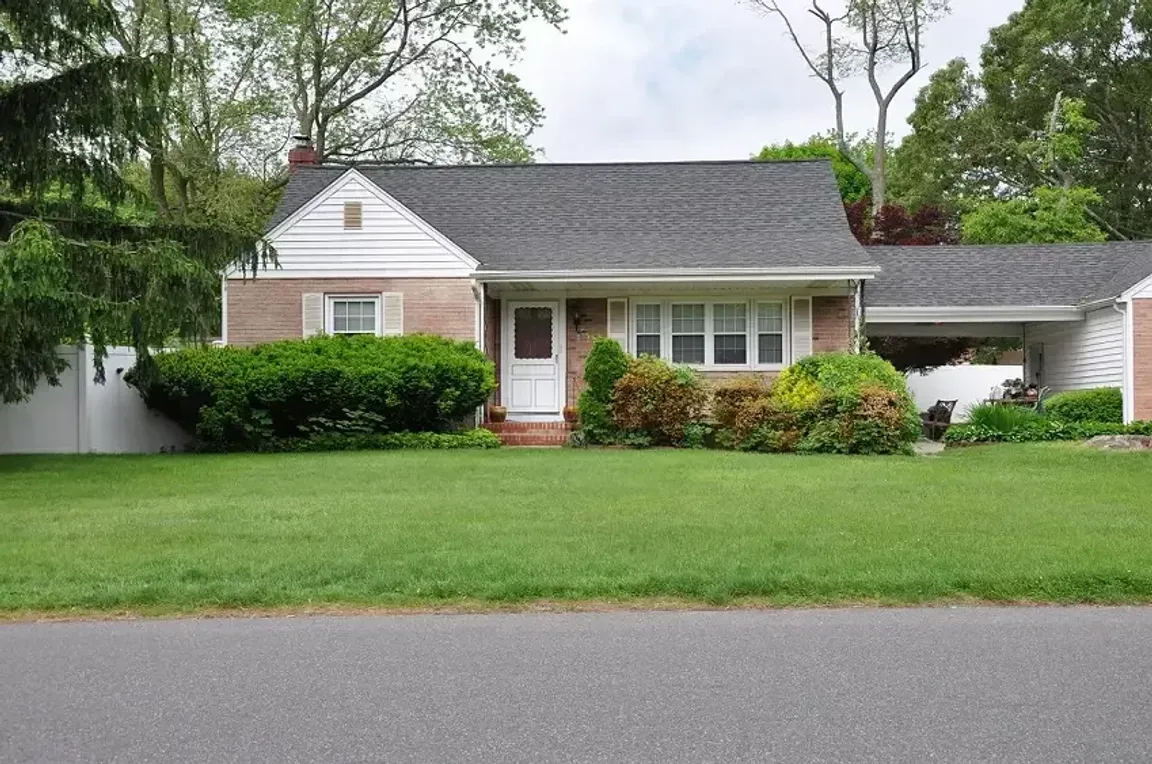
Selling a house is already a big decision. Selling a house with tenants in Pennsylvania can feel even more complicated because you are dealing with the property, the lease, rent payments, tenant communication, inspections, showings, repairs, and closing timelines.
Maybe you own a rental property in Norristown, East Norriton, King of Prussia, Montgomery County, Bucks County, Chester County, Delaware County, Berks County, the Lehigh Valley, or another Pennsylvania community. Maybe the tenant pays on time and keeps the home in good condition. Or maybe the tenant is behind on rent, refusing access, damaging the property, or making it hard to move forward.
The good news is that you may be able to sell a house with tenants in Pennsylvania. The best option depends on the lease, tenant situation, property condition, your timeline, and the type of buyer you choose.
If you are still comparing broader landlord selling options, you may also want to read our full guide on How to Sell a Rental Property in Pennsylvania.
This guide explains your options clearly so you can decide whether to list the home, wait for the lease to end, negotiate with the tenant, or sell the property as-is to a local cash home buyer.
Quick Answer
Yes, you can sell a house with tenants in Pennsylvania. In many cases, the lease may still matter after the sale, and the buyer may inherit the tenant arrangement. For general landlord-tenant background, homeowners can review the Pennsylvania Office of Attorney General’s Consumer Guide to Tenant and Landlord Rights. Some sellers list the property with tenants in place, while others sell directly to a Pennsylvania cash buyer who understands tenant-occupied homes, rental properties, repairs, and closing challenges.
Can You Sell a House with Tenants in Pennsylvania?

Yes, a tenant-occupied house can usually be sold in Pennsylvania. However, selling the property does not automatically remove tenant rights or end a lease. The buyer, seller, tenant, settlement company, and sometimes an attorney may need to review the lease terms, rent status, security deposit records, property condition, and closing details.
This situation often comes up when:
- A landlord is tired of managing the rental
- The tenant is behind on rent
- The property needs repairs
- The owner inherited a tenant-occupied home
- The property has code violations
- The owner is relocating or leaving Pennsylvania
- A divorce, foreclosure, probate, or tax issue is involved
- The rental property is no longer profitable
A tenant-occupied home is not always a problem. In fact, a reliable tenant with a clear lease can make the property attractive to another landlord or investor. The challenge usually happens when the lease is unclear, the tenant is uncooperative, the property needs work, or the seller needs to move quickly.
Why Tenant-Occupied Homes Can Be Harder to Sell
A house with tenants can limit your buyer pool. Many traditional buyers want to move into the home after closing. If a lease is still active, that may not be possible right away. This can make the property less attractive to owner-occupant buyers.
Tenant-occupied homes can also create practical challenges, such as:
- Limited access for showings
- Difficulty scheduling inspections
- Tenant privacy concerns
- Unpaid rent
- Security deposit transfer questions
- Property damage
- Lease disputes
- Eviction concerns
- Code enforcement issues
- Buyer hesitation
For example, a vacant home in King of Prussia may be easier to photograph, clean, repair, and show than a rental property where the tenant refuses access. A house in Norristown with a cooperative tenant may still sell smoothly, but a property with late rent and repair issues may need a different approach.
If the property also needs work, you may want to review your options for selling a house as-is in Pennsylvania before deciding whether repairs are worth the cost.
Your Main Options for Selling a House with Tenants
Option 1: Sell the Property with Tenants in Place
This can work well when the tenant pays on time, the lease is organized, and the property is in decent condition. Another landlord or investor may like the idea of buying a property that already has rental income.
This option may make sense if:
- The tenant is reliable
- Rent is current
- The lease is written and easy to review
- The property is maintained
- You are not in a rush
- You are comfortable selling to an investor
The downside is that fewer retail buyers may be interested. A family looking for a primary residence may not want to wait months for a lease to end.
Option 2: Wait Until the Lease Ends
If the lease is ending soon, waiting may help you sell to a wider group of buyers. A vacant home is usually easier to clean, repair, photograph, inspect, and show.
This may be a good option if:
- The lease ends soon
- You can afford to wait
- The tenant is cooperative
- The home will sell better vacant
- You want to make repairs before selling
The downside is holding costs. You may still be paying the mortgage, taxes, insurance, utilities, maintenance, and repairs while waiting.
Option 3: Negotiate a Voluntary Move-Out
Some landlords negotiate a move-out agreement with the tenant. This is sometimes called a “cash for keys” agreement. The tenant agrees to leave by a certain date, and the landlord may offer a payment or other terms.
This can work when both sides are cooperative. However, any agreement should be clear, written, and reviewed carefully. If there is conflict, legal advice may be helpful.
Option 4: Sell As-Is to a Local Cash Buyer
If you want to avoid repairs, showings, tenant conflict, inspections, or a long listing process, selling as-is to a local property buyer may be the simplest option.
If your main concern is timing, our step-by-step guide on Sell Your House Fast in Pennsylvania can help you compare faster selling options before choosing the right path.
This path may help if:
- The tenant is behind on rent
- The property needs major repairs
- You do not want to manage showings
- You inherited a rental property
- You live out of state
- The home has code violations
- You need a faster closing
- You are tired of being a landlord
A direct buyer may purchase the home as-is, even if it has tenants, repairs, or other complications. The offer will usually reflect the condition of the home, the tenant situation, the local market, and the buyer’s risk.
This option is not always the best fit for every seller. If your home is updated, vacant, easy to show, and you have time to wait, listing with an agent may bring more market exposure. But if speed, simplicity, and avoiding repairs matter more, a direct sale can be worth considering.
Best Option Based on Your Situation
If the tenant pays on time and the lease is clear, selling to another landlord or investor may work well.
If the tenant is difficult, behind on rent, or refusing access, selling as-is to a local cash home buyer may be simpler.
If the lease ends soon and you can afford to wait, selling after the tenant leaves may open the door to more traditional buyers.
If the home needs major repairs, selling as-is may help you avoid spending money before closing.
If the property is inherited, in probate, or tied to a title issue, speak with a qualified attorney, settlement company, or real estate professional before making final decisions.
Key Pennsylvania Tenant, Lease, and Property Issues to Review Before Selling
Before you sell a tenant-occupied property, gather the details that a buyer may need.
Review the Lease
Find out whether the tenant has a fixed-term lease, month-to-month lease, verbal agreement, expired lease, or subsidized housing arrangement. The lease can affect possession, rent, showings, deposits, and buyer expectations.
Do not promise a buyer that the tenant will leave before closing unless you know that is legally and practically possible.
Check Rent and Security Deposit Records
Prepare a simple rent history showing the monthly rent amount, due date, payment status, late balances, and security deposit amount. If the tenant stays after the sale, the buyer may need these records.
Be Honest About Repairs
Many Pennsylvania rentals are older rowhomes, twin homes, duplexes, and single-family homes. Some have roof leaks, plumbing problems, outdated electrical systems, basement moisture, water damage, foundation concerns, or cosmetic wear from years of tenant use.
If you know about problems, be upfront. Pennsylvania’s Real Estate Seller Disclosure Law explains disclosure requirements for known material defects in many residential transfers. Selling as-is does not always mean you can ignore known issues, so a settlement company, attorney, or real estate professional can help explain your responsibilities.
Many older Pennsylvania homes were also built before 1978. If lead-based paint may be relevant, review the EPA’s guidance on real estate disclosures about potential lead hazards.
Check for Code Violations
Some boroughs, townships, and cities may have local rental rules, inspection requirements, use and occupancy concerns, or code enforcement notices. This can matter in places like Norristown, Pottstown, Reading, Allentown, older Philadelphia suburbs, and many established Pennsylvania communities.
If there are open violations, tell the buyer early. A Pennsylvania cash buyer may still be interested, but hidden problems can delay closing.
Be Careful with Eviction Matters
If the tenant is not paying rent or refusing to leave, speak with a qualified attorney or local housing professional before taking action. Do not change locks, shut off utilities, remove belongings, or try to force the tenant out without following the proper legal process.
Eviction timelines and procedures can vary depending on the situation, court schedule, county, lease terms, and local requirements.
Local Pennsylvania Context
Tenant-occupied sales can look different depending on where the property is located.
In Montgomery County, rental homes in Norristown, East Norriton, Pottstown, Plymouth Meeting, Conshohocken, and King of Prussia may include older twins, rowhomes, duplexes, and inherited rentals. Some properties are stable rentals, while others have years of deferred maintenance.
In Bucks County and Chester County, some rentals may attract strong investor interest, especially if the tenant pays on time and the property is in good condition. However, access issues, repair needs, and lease terms can still affect the sale.
In Delaware County and the Philadelphia suburbs, older housing stock can create issues such as aging plumbing, roof leaks, electrical updates, basement moisture, or municipal repair concerns.
In Berks County and the Lehigh Valley, landlords may sell because of tenant turnover, long-distance ownership, inherited property stress, or repair-heavy rental homes.
The county also matters because deed recording, tax issues, estate paperwork, municipal requirements, and court procedures can vary by location. Pennsylvania’s Department of Revenue explains that realty transfer tax is collected by county Recorders of Deeds, often along with local transfer taxes.
Step-by-Step Process to Sell a Tenant-Occupied House
Step 1: Organize Your Documents
Gather the lease, rent ledger, deposit records, repair history, utility details, tax bills, mortgage payoff estimate, code notices, and any court or eviction paperwork.
Step 2: Decide Whether You Want to Sell Occupied or Vacant
If the tenant is cooperative and rent is current, selling occupied may work. If the tenant is difficult or the property needs repairs, selling as-is may be easier.
Step 3: Choose the Right Buyer Type
Traditional buyers may want the home vacant. Investors may accept tenants. A local cash home buyer may be more comfortable with tenant issues, repairs, or a faster timeline.
Step 4: Compare Net Results
Do not only compare sale price. Compare repairs, commissions, closing costs, holding costs, tenant delays, inspection issues, and uncertainty.
Step 5: Close with the Right Support
Tenant-occupied sales can involve rent prorations, deposit transfers, lease assignments, title review, deed recording, and local requirements. A settlement company or attorney can help make sure the details are handled correctly.
Traditional Listing vs. Selling As-Is
| Option | Best For | Main Benefit | Main Challenge |
|---|---|---|---|
| List with an agent | Updated home with cooperative tenants | More market exposure | Showings, inspections, repairs, financing delays |
| Sell to another landlord | Reliable tenant and clear lease | Buyer may value rental income | Smaller buyer pool |
| Wait for vacancy | Sellers with time | Easier to clean and show | Holding costs and delays |
| Negotiate move-out | Cooperative tenants | May help deliver vacant home | Tenant may refuse |
| Sell as-is for cash | Repairs, bad tenants, urgent sale | Simple process and fewer delays | Offer may reflect condition and risk |
Common Situations When Selling a Tenant-Occupied House in Pennsylvania
You Inherited a Rental Property
Inherited homes with tenants can be stressful, especially if heirs do not live nearby or do not know the lease terms. Probate, title, tenant records, and property condition may all affect the sale. If this applies to you, read more about selling an inherited house in Pennsylvania before moving forward.
The Tenant Is Behind on Rent
Unpaid rent can make a traditional sale harder. A direct buyer may still review the home, but the offer may account for unpaid rent, repairs, legal risk, and possession concerns.
The Property Needs Repairs
If the house needs a roof, plumbing, electrical work, water damage repair, or major cleanup, listing can become difficult. Selling as-is may help you avoid making repairs before closing.
You Are a Tired Landlord
Many Pennsylvania landlords sell because the rental no longer feels worth the stress. Rising repairs, tenant turnover, late rent, taxes, insurance, and code issues can make a direct sale more practical.
You Are Facing Foreclosure or Sheriff Sale Pressure
If the property is behind on mortgage payments or moving toward a sheriff sale, timing becomes more important. Homeowners in this situation should speak with their lender, a housing counselor, an attorney, or a qualified professional to understand available options. Selling quickly may help in some cases, but every situation is different.
Mistakes to Avoid
Avoid assuming the tenant must leave just because you are selling. Avoid hiding unpaid rent, property damage, lease disputes, or code violations. Avoid scheduling repeated showings without clear communication. Avoid forgetting about security deposits.
Most importantly, avoid choosing the highest offer without checking whether the buyer can actually close.
A high offer with financing, inspections, repair requests, and tenant-access problems may not be better than a clear as-is offer with fewer conditions.
Frequently Asked Questions (FAQs)
Q. Can I sell a house with tenants in Pennsylvania?
Yes. You can sell a house with tenants in Pennsylvania, but the lease, rent status, and tenant situation can affect the process. Some buyers may want the home vacant, while investors or cash buyers may consider it with tenants in place.
Q. What happens to the tenant when the house is sold?
In many cases, the tenant’s lease or rental agreement may continue after the sale. The new owner may become the landlord, so sellers should review the lease before promising vacant possession.
Q. Can I sell a rental property with bad tenants in Pennsylvania?
Yes, it may be possible to sell a rental property with bad tenants. Unpaid rent, damage, or tenant disputes can make a traditional sale harder, but a local cash home buyer may still review the property as-is.
Q. Can I sell a tenant-occupied house without making repairs?
Yes. Many Pennsylvania homeowners sell tenant-occupied houses as-is when they do not want to make repairs, clean the property, or handle repeated showings. This can be helpful if the home has deferred maintenance or tenant-related damage.
Q. Is it better to sell with tenants or wait until the home is vacant?
It depends on your timeline, lease terms, and property condition. If the tenant is reliable, selling occupied may work well for an investor. If the tenant is difficult or the home needs repairs, selling vacant or as-is may be easier.
Q. What is the fastest way to sell a house with tenants in Pennsylvania?
The fastest option is often selling as-is to a local cash buyer. This may help homeowners in Norristown, Montgomery County, Bucks County, Chester County, Delaware County, Berks County, and the Lehigh Valley avoid repairs, showings, and long listing delays.
Q. Should I talk to an attorney before selling a tenant-occupied house?
It may be wise if there is an eviction, unpaid rent, lease dispute, probate issue, title problem, foreclosure concern, or disagreement with the tenant. This article is for general education and should not be treated as legal, tax, or financial advice.
Want to Sell a House with Tenants in Pennsylvania As-Is?
If you want to sell a house with tenants in Pennsylvania without repairs, repeated showings, agent commissions, or a long traditional listing process, Property Buyer Today can review your property and provide a fair local cash offer.
You can ask questions, compare your options, and decide whether a direct as-is sale makes sense for your situation. There is no need to make the property perfect before starting the conversation.