
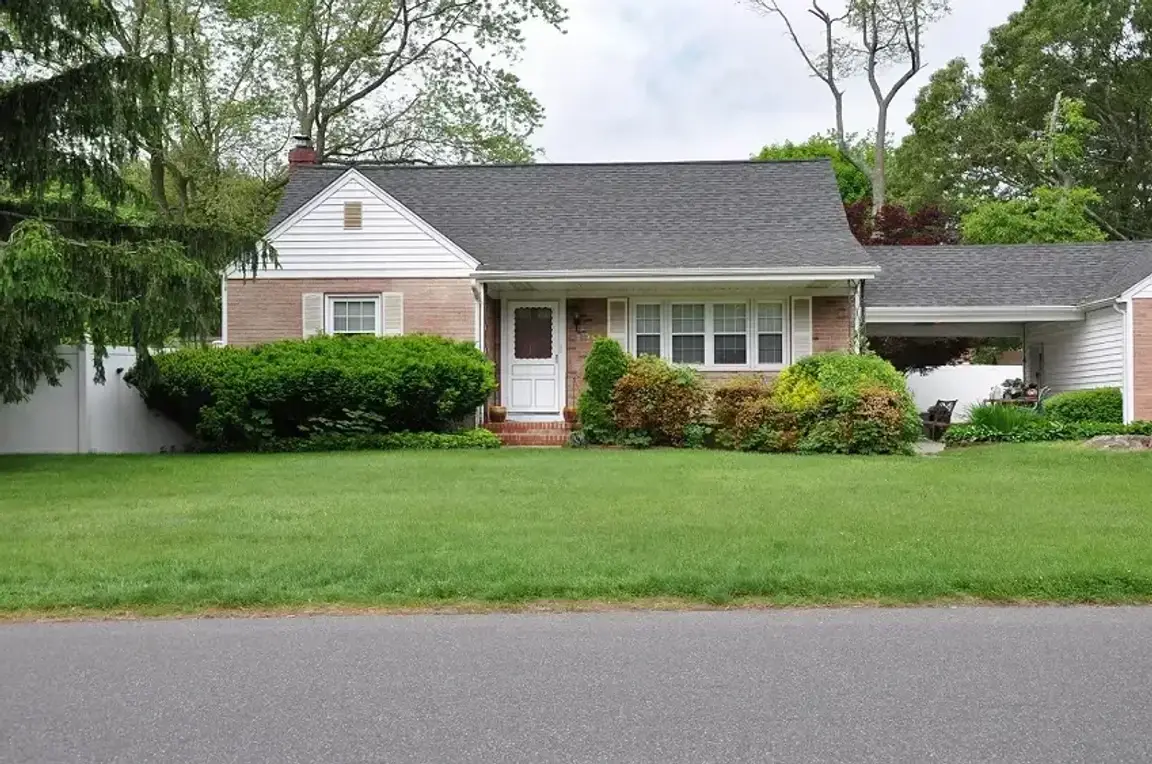
Selling a house as-is in Pennsylvania means you are offering the property in its current condition without making repairs before closing. This can be a practical choice when the home needs major work, the seller has a short timeline, or the repair costs are too high to handle before listing.
However, selling as-is does not mean there are no responsibilities. Homeowners still need to understand buyer expectations, property disclosure concerns, pricing, inspections, and the best way to move toward closing. This guide explains how selling a house as-is works in Pennsylvania and when this option may make sense.
What Does Selling a House As-Is Mean in Pennsylvania?
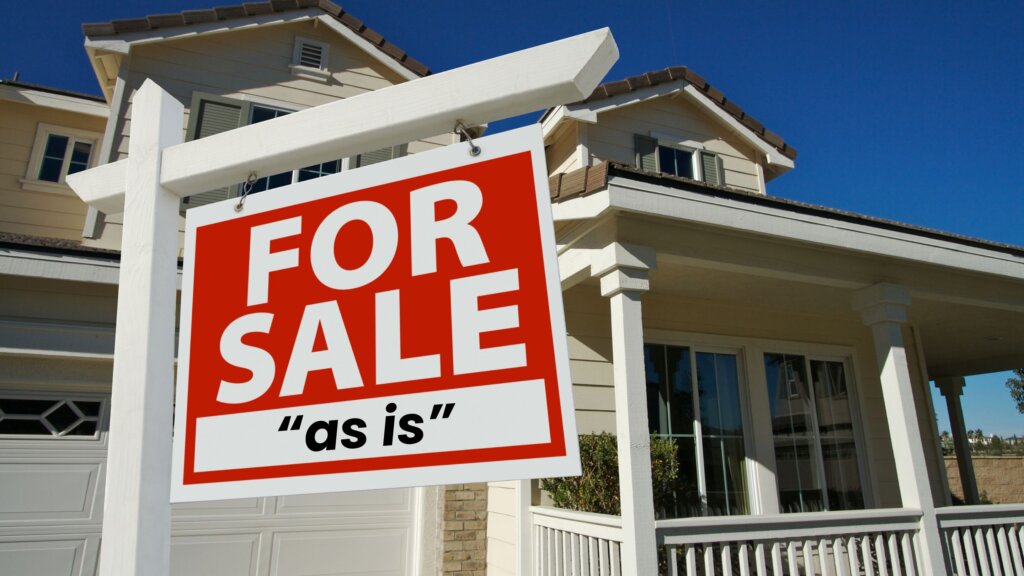
Selling as-is means the seller does not plan to repair, renovate, or improve the home before the sale. The buyer agrees to purchase the property in its current condition. This may include cosmetic problems, outdated systems, roof damage, water damage, foundation issues, mold, code violations, or other serious concerns.
Still, buyers can usually ask questions, request inspections, and review the property before moving forward. An as-is sale does not automatically stop inspection issues, title issues, financing concerns, or buyer negotiations.
For a clear answer to the main question, check out our guide on Can You Sell Your House As-Is in Pennsylvania?
The main benefit of selling as-is is convenience. You may avoid repair bills, contractor delays, repeated showings, and long back-and-forth negotiations over repair requests. The trade-off is that buyers often expect a lower price because they are taking on more risk.
As-Is Sale vs Traditional Home Sale
| Factor | Selling As-Is | Traditional Home Sale |
|---|---|---|
| Repairs before closing | Usually not required | Often expected |
| Buyer type | Cash buyers, investors, some retail buyers | Mostly retail buyers |
| Timeline | Often faster | Often longer |
| Sale price | Usually lower | Often higher if move-in ready |
| Seller effort | Lower | Higher |
| Best for | Damaged, vacant, inherited, or urgent-sale homes | Updated or market-ready homes |
A traditional sale may bring a higher price if the home is clean, updated, and easy to finance. An as-is sale may be better when the home needs repairs, the seller wants speed, or the property is difficult to prepare for the open market.
When Selling As-Is Makes Sense
Selling as-is can make sense when the cost of repairs is too high compared to the likely return. It may also help if you need to sell quickly because of relocation, divorce, foreclosure, inheritance, bad tenants, or financial pressure.
For example, replacing a roof, fixing a foundation, removing mold, repairing fire damage, or correcting structural problems can take weeks or months. These repairs may also uncover more problems once the work starts. Some sellers do not want to take that risk.
For more information, read our guide on How to Sell a House That Needs Major Repairs in Pennsylvania.
Selling as-is may also make sense if the home is vacant or hard to access. Vacant homes can face weather damage, vandalism, pest problems, insurance concerns, and ongoing maintenance costs. In those cases, a faster sale may be worth more than waiting for a perfect buyer.
How to Price an As-Is House
Pricing an as-is home is different from pricing a move-in-ready home. You cannot only look at online estimates or nearby home sales. You need to consider the repaired value, the cost of work, buyer risk, market demand, and the property’s condition.
A simple way to think about price is this:
| Pricing Factor | What It Means |
| Repaired value | What the home may be worth after repairs |
| Repair costs | Estimated cost to fix major issues |
| Buyer risk | Extra discount buyers may expect for unknown problems |
| Local demand | How many buyers want homes in that area |
| Timeline | Faster sales may involve more pricing flexibility |
If a buyer needs to spend $40,000 or $80,000 on repairs, that cost will affect the offer. If the home has hidden risks, such as water damage, structural movement, or unpermitted work, the buyer may reduce the offer even more.
For more information, check out our guide on How to Price a House With Major Repairs in Pennsylvania.
How Much Less Do As-Is Homes Sell For in Pennsylvania?
As-is homes often sell for less than similar homes that are repaired and move-in ready. The exact difference depends on the property condition, location, repair costs, buyer demand, and how easy the home is to finance.
A house with light cosmetic updates may sell close to market value. A home with roof leaks, water damage, foundation concerns, mold, fire damage, or structural problems may sell for much less because buyers must account for repair costs and risk.
Learn more about this topic in our guide on How Much Less Do As-Is Homes Sell For in Pennsylvania?
Buyers usually lower their offer for several reasons. They may need to pay for repairs after closing. They may face hidden problems. They may need to hold the property while repairs are completed. They may also need to resell or rent the property later.
How Fast Can You Sell a House As-Is in Pennsylvania?
The timeline depends on the buyer, title condition, liens, occupancy, and contract terms. A traditional buyer may need financing, inspections, appraisal approval, and repair negotiations. This can slow down the process.
A cash buyer may close faster because there is no lender approval process. However, even a cash sale can face delays if there are title issues, unpaid taxes, probate concerns, tenant problems, or missing documents.
For more information, check out our guide on How Fast Can You Sell a House As-Is in Pennsylvania?
| Selling Method | Possible Timeline | Best For |
|---|---|---|
| Cash buyer | 7–30 days | Fast sale, major repairs, urgent situations |
| Traditional listing | 30–90+ days | Better-condition homes |
| Auction | Varies | Distressed or unique properties |
| Private buyer | Varies | Flexible situations |
Speed should not be the only factor. Sellers should also compare the net amount they will receive after repairs, commissions, closing costs, holding costs, and possible concessions.
Selling As-Is to a Cash Buyer in Pennsylvania
Cash buyers are often interested in as-is homes because they are used to repair-heavy properties. They may buy homes with outdated interiors, roof damage, water damage, mold, fire damage, code violations, bad tenants, or cleanout problems.
To deeper understand the process, read our guide on How Cash Home Buyers Work in Pennsylvania.
A cash buyer usually looks at the home’s after-repair value, repair costs, location, resale potential, title condition, and seller timeline. The offer may be lower than a retail buyer’s price, but the seller may save money on repairs, agent commissions, cleaning, holding costs, and months of uncertainty.
Before accepting a cash offer, ask for proof of funds. Review the contract carefully. Confirm whether there are fees, inspection contingencies, closing costs, or last-minute price changes. A clear offer should explain the purchase price, closing timeline, and seller responsibilities.
Pros and Cons of Selling a House As-Is in Pennsylvania
Selling as-is can reduce stress, but it is not the best choice for every homeowner. The right decision depends on your goals, property condition, timeline, and financial needs.
Learn more about both sides in our guide on Pros and Cons of Selling a House As-Is in Pennsylvania.
The main advantages are speed, convenience, and fewer repair responsibilities. You may avoid contractor delays, repair bills, cleaning work, open houses, and repeated inspection negotiations.
The main disadvantage is price. Buyers often expect a discount. Some retail buyers may avoid the home because they are worried about hidden problems. Lenders may also be cautious if the property has safety, habitability, or structural concerns.
Common Issues That Affect As-Is Value
Roof Damage
Roof problems can reduce buyer confidence because they may lead to leaks, interior damage, insulation problems, and insurance concerns. A damaged roof can also make financing harder for some buyers.
For more information, check out our guide on Sell a House with Roof Damage in Pennsylvania.
Water Damage
Water damage can come from roof leaks, plumbing failures, basement seepage, flooding, broken appliances, or drainage problems. Buyers often worry that water damage may hide mold, rot, or structural issues. The EPA’s flooded home cleanup guidance explains that flooded or wet homes can create safety and indoor-health concerns, which is why buyers often treat water damage seriously.
Learn more about this issue in our guide on Sell a House with Water Damage in Pennsylvania.
Mold Problems
Mold can make a home harder to sell because buyers may worry about health concerns, cleanup costs, and hidden moisture problems. Even small mold concerns can create big inspection questions. The EPA provides homeowner mold cleanup guidance that explains why moisture control and safe cleanup matter after water damage or disasters.
To better understand your options, read our guide on Sell a House with Mold Problems in Pennsylvania.
Fire Damage
Fire damage can affect walls, framing, electrical systems, roofing, flooring, smoke odor, and overall safety. Some homes need full restoration before they appeal to traditional buyers.
For more information, check out our guide on Sell a Fire-Damaged House in Pennsylvania.
Foundation Problems
Foundation issues can scare buyers because repairs may be expensive and difficult to estimate. Warning signs may include cracks, uneven floors, sticking doors, or water entering the basement.
Learn more about this topic in our guide on Sell a House with Foundation Problems in Pennsylvania.
Structural Damage
Structural damage may involve framing, beams, joists, load-bearing walls, sagging floors, or unsafe additions. These problems can reduce the buyer pool and lead to lower offers.
To deeper understand this issue, check out our guide on Sell a House with Structural Damage in Pennsylvania.
Selling As-Is With Legal, Permit, or Code Problems
Code Violations
Code violations can make a sale more complicated because buyers may worry about fines, municipal inspections, correction notices, or required repairs. Some traditional buyers may not want to take on that responsibility.
For more information, read our guide on Sell a House with Code Violations in Pennsylvania.
Unpermitted Work
Unpermitted work may include finished basements, additions, decks, electrical work, plumbing changes, garage conversions, or major renovations completed without approval. Buyers may worry about safety, resale issues, and future inspections.
Learn more about this situation in our guide on Sell a House with Unpermitted Work in Pennsylvania.
Selling Difficult Property Situations As-Is
Hoarder House
A hoarder house may need trash removal, deep cleaning, pest control, odor treatment, and major repairs. Many sellers do not want to clean out the entire property before selling.
For more information, check out our guide on Sell a Hoarder House in Pennsylvania.
Foreclosure
Selling as-is during foreclosure may help some homeowners avoid a completed foreclosure if there is enough time to close. Timing matters, so sellers should act quickly and get qualified guidance.
To better understand this option, read our guide on Sell a House As-Is During Foreclosure in Pennsylvania.
Inherited House
Inherited homes are often sold as-is because they may be outdated, vacant, full of belongings, or owned by multiple heirs. Probate, title, and family agreement issues can also affect the process.
Learn more about this situation in our guide on Sell an Inherited House As-Is in Pennsylvania.
Rental Property
A rental property may be sold as-is because of bad tenants, deferred maintenance, unpaid rent, damage, or landlord fatigue. Selling with tenants in place may limit the buyer pool, but it can still be possible.
For more information, check out our guide on Sell a Rental Property As-Is in Pennsylvania.
Vacant House
Vacant homes can create ongoing stress. They may face vandalism, leaks, pest problems, frozen pipes, insurance issues, or city notices. A fast as-is sale may help reduce these risks.
To deeper understand this topic, read our guide on Sell a Vacant House in Pennsylvania.
Divorce
A divorce-related sale can be stressful because both parties may need to agree on price, timing, paperwork, and distribution of proceeds. Selling as-is may help reduce delays if the property needs work.
Learn more about this process in our guide on Sell a House As-Is During Divorce in Pennsylvania.
Should You Repair First or Sell As-Is?
The choice depends on your budget, timeline, and expected return. Repairs may make sense if they are affordable, fast, and likely to increase the final sale price. Simple improvements such as cleaning, lawn care, trash removal, or small safety fixes can sometimes help.
Major repairs are different. Replacing a roof, fixing a foundation, correcting structural damage, removing mold, or restoring fire damage can be expensive. These projects may also delay the sale and create new problems once work begins.
If you need speed, certainty, or a simpler process, selling as-is may be the better option. If the home is already in good shape and you have time to wait, a traditional sale may bring a higher price.
If repairs would delay your sale or cost more than you want to spend, our guide on Sell Your House Fast in Pennsylvania – A Step-by-Step Guide can help you compare faster selling options before choosing your next step.
As-Is Home Sale Checklist for Pennsylvania Sellers
Before accepting an offer, use this checklist:
- Write down known property issues.
- Gather mortgage payoff information.
- Check for unpaid taxes, liens, or utility balances.
- Review title and ownership details.
- Decide your ideal closing date.
- Compare more than one selling option.
- Ask cash buyers for proof of funds.
- Review all contract terms carefully.
- Understand who pays closing costs.
- Get professional help for legal, probate, tax, foreclosure, or divorce questions.
This checklist can help you compare offers based on your real net amount, not just the headline purchase price.
Frequently Asked Questions (FAQs)
Q. Can you sell a house as-is in Pennsylvania?
Answer: Yes, you can sell a house as-is in Pennsylvania. This means you sell the property in its current condition without making repairs before closing, but you should still be honest about known issues.
Q. What does selling a house as-is mean in Pennsylvania?
Answer: Selling as-is means the buyer accepts the home in its current condition. The seller usually does not agree to fix roof damage, water damage, mold, outdated systems, or other repair issues before the sale.
Q. Do I have to make repairs before selling my house in Pennsylvania?
Answer: No, you do not always have to make repairs before selling. Many homeowners choose an as-is sale when repairs are too expensive, the home needs major work, or they want a faster selling process.
Q. How much less do as-is homes sell for in Pennsylvania?
Answer: As-is homes usually sell for less than repaired homes because buyers factor in repair costs, risk, and future resale value. The exact discount depends on the home’s condition, location, and buyer demand.
Q. How fast can I sell a house as-is in Pennsylvania?
Answer: A house sold as-is may close faster than a traditional sale, especially with a cash buyer. The timeline depends on title issues, liens, occupancy, buyer type, and how quickly both sides complete paperwork.
Q. Is selling a house as-is better than repairing it first?
Answer: Selling as-is may be better if repairs are costly, stressful, or time-sensitive. Repairing first may make sense if the fixes are affordable and likely to increase the final sale price.
Final Thoughts
Selling a house as-is in Pennsylvania can be a smart option when repairs are too expensive, the timeline is short, or the property has problems that make a traditional sale difficult. It can help homeowners avoid repair stress, long listing periods, and repeated buyer negotiations.
Still, an as-is sale should be handled carefully. Sellers should understand the property’s condition, disclosure concerns, pricing, buyer types, and contract terms before making a decision.
The best choice depends on your home’s condition, your financial goals, your timeline, and how much certainty you want. If you want fewer repairs, less waiting, and a simpler path to closing, Property Buyer Today can help you review your options and move forward with confidence.