
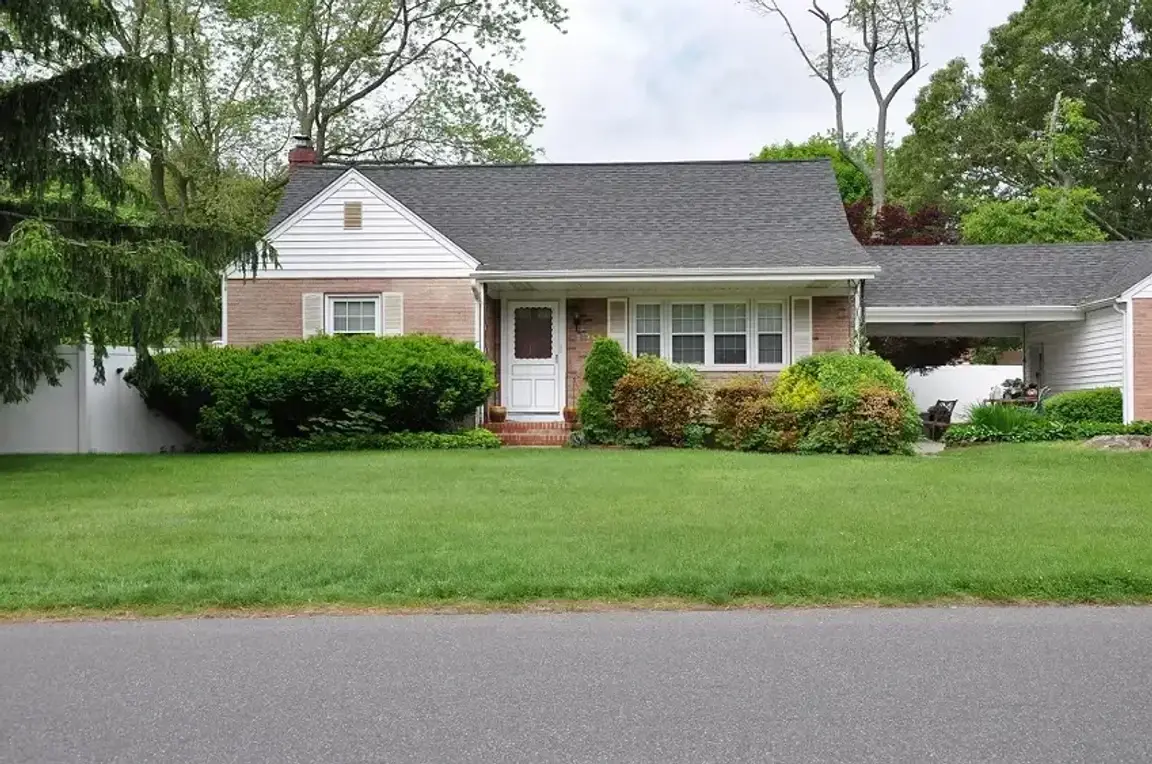
Selling a house in Pennsylvania does not always have to involve repairs, open houses, long negotiations, or waiting for a mortgage-approved buyer. For many homeowners, especially those dealing with damaged properties, foreclosure pressure, inherited homes, divorce, bad tenants, or urgent relocation, cash home buyers can offer a faster and more direct selling option.
Cash home buyers purchase properties without relying on traditional mortgage financing. Instead of waiting for a bank approval, appraisal, underwriting, and buyer loan conditions, the buyer uses available funds or private capital to complete the purchase. This can make the sale simpler, especially when the house needs work or the seller does not want to go through the traditional listing process.
Quick Answer: How Do Cash Home Buyers Work in Pennsylvania?
Cash home buyers in Pennsylvania usually review the property, estimate its current condition and repair needs, make a direct cash offer, and close through a title company or settlement process if the seller accepts. Many cash buyers purchase homes as-is, which means the seller may not need to clean, repair, renovate, or stage the property before closing.
The process is usually designed for convenience. A seller can request an offer, schedule a quick property review, compare the offer, and choose whether or not to move forward. If the seller accepts, the buyer and seller sign an agreement, title work begins, and closing is scheduled.
What Is a Cash Home Buyer?

A cash home buyer is a person, investor, or real estate buying group that can purchase a house without depending on traditional mortgage financing. This does not always mean the buyer brings physical cash to closing. It means the buyer has access to funds and does not need a lender’s approval to buy the property.
This matters because many traditional home sales are delayed or canceled due to financing problems. A buyer may fail to qualify for the loan, the appraisal may come in too low, or the lender may require repairs before approving the mortgage. A cash buyer can often reduce those risks because the sale is not built around a bank’s lending conditions.
Cash Home Buyer vs Traditional Buyer
| Factor | Cash Home Buyer | Traditional Buyer |
|---|---|---|
| Financing | Uses cash or private funds | Usually depends on mortgage approval |
| Property Condition | Often buys as-is | May request repairs or credits |
| Closing Speed | Often faster | Usually takes longer |
| Showings | Usually limited | Multiple showings may be needed |
| Appraisal Risk | Lower in many cases | Appraisal may affect the sale |
| Seller Convenience | More direct process | More preparation and negotiation |
Why Pennsylvania Homeowners Consider Cash Buyers
They Need to Sell Quickly
Some homeowners cannot wait months for the right buyer. They may be relocating for work, dealing with financial pressure, going through divorce, managing an inherited house, or trying to sell before a foreclosure situation becomes more serious. A cash sale can help reduce delays because there is no traditional mortgage approval process. For homeowners who want to understand the full fast-sale process, Sell Your House Fast in Pennsylvania – A Step-by-Step Guide explains the steps in more detail.
The House Needs Repairs
Many Pennsylvania homes are older and may need roofing, plumbing, electrical, foundation, HVAC, flooring, or structural repairs. Traditional buyers often want a move-in-ready property, or their lender may require certain repairs before closing. Cash buyers are often more comfortable purchasing properties that need work. For sellers who want to avoid fixing the property before selling, Selling a House As-Is in Pennsylvania: The Complete Homeowner’s Guide is a helpful next resource.
The Seller Wants to Avoid Listing Stress
Listing a home can involve cleaning, staging, photography, showings, inspections, appraisals, negotiations, and repair requests. For sellers who want a simpler path, a direct cash sale may feel more manageable.
The Property Is Inherited or Vacant
Inherited houses can be difficult to manage, especially when heirs live out of state or the home has been sitting vacant. There may be old furniture, personal belongings, unpaid bills, maintenance problems, or title issues. Cash buyers often work with inherited and vacant properties because they are used to complicated situations.
The House Has Tenants
Selling a rental property with tenants can be difficult through a traditional listing. Some buyers do not want to inherit tenants, and showings can be harder to schedule. Cash buyers may be more open to buying tenant-occupied properties, depending on the lease, payment history, and property condition.
Step-by-Step Process: How Cash Home Buyers Work in Pennsylvania
Step 1: The Seller Requests an Offer
The process usually begins when the homeowner shares basic property information. This may include the address, property condition, repair issues, occupancy status, mortgage balance, and preferred closing timeline.
Step 2: The Buyer Reviews the Property
The buyer reviews the home’s location, condition, comparable sales, repair needs, local market demand, and possible resale value. This step helps the buyer understand what the property may be worth in its current condition.
Step 3: A Walkthrough May Be Scheduled
Some cash buyers schedule a short walkthrough to see the property in person. Others may first review photos, videos, public records, or repair details. The walkthrough is usually less formal than preparing a house for traditional showings.
Step 4: The Seller Receives a Cash Offer
After reviewing the property, the buyer makes an offer. The offer usually reflects the current condition of the home, estimated repairs, closing costs, holding costs, market risk, and the buyer’s expected investment.
Step 5: The Seller Reviews the Offer
The seller can accept, reject, or compare the offer with other selling options. A serious seller should focus on the net amount, not just the headline price. Repairs, commissions, closing costs, time, and uncertainty can all affect the final result.
Step 6: The Agreement Is Signed
If both sides agree, the purchase agreement is signed. This document should explain the price, closing date, contingencies, responsibilities, and any costs the buyer or seller will pay.
Step 7: Title Work Begins
A title company or settlement agent checks ownership, liens, taxes, mortgage payoff amounts, judgments, and other issues that may affect the transfer of the property. In Pennsylvania, title work is an important part of the closing process.
Step 8: Closing Is Completed
At closing, the seller signs the required documents, existing mortgages or liens are paid as required, the deed is transferred, and the seller receives the remaining proceeds.
Typical Cash Sale Timeline in Pennsylvania
| Stage | What Happens | Possible Timeframe |
|---|---|---|
| Offer Request | Seller shares property details | Same day |
| Property Review | Buyer checks condition and market value | 1–2 days |
| Walkthrough | Buyer reviews the home | 1–3 days |
| Offer Decision | Seller accepts or rejects | Seller’s choice |
| Title Work | Ownership, liens, taxes, and payoff checks | Several days or more |
| Closing | Documents signed and funds transferred | Depends on title and seller readiness |
How Cash Offers Are Calculated
Cash offers are usually based on numbers, not emotion. A buyer looks at what the property is worth now, what it may be worth after repairs, and how much money may be needed to improve, hold, and resell the home.
Property Condition
A house with serious repair needs will usually receive a lower cash offer than a clean, updated, move-in-ready home. Common repair factors include roofing, water damage, electrical systems, plumbing, foundation problems, mold, outdated interiors, and code issues.
After-Repair Value
The buyer may estimate what the home could sell for after repairs or improvements. This is often called the after-repair value. It helps the buyer calculate whether the project makes financial sense.
Repair Costs
Repair costs can be a major part of the offer. A house needing cosmetic updates may be easier to price than a house with structural damage, fire damage, water damage, or hidden defects.
Holding and Resale Costs
The buyer may also consider taxes, insurance, utilities, maintenance, closing fees, resale costs, and the time it may take to repair and sell the property.
Market Risk
Real estate markets can change. If a buyer takes on a damaged or difficult property, the offer may include room for unexpected costs, market shifts, or delays.
What Types of Houses Do Cash Buyers Purchase?
Cash buyers often purchase homes that are harder to sell through traditional methods. These may include houses with major repairs, outdated interiors, code violations, water damage, fire damage, foundation issues, unpaid taxes, liens, tenants, or years of deferred maintenance.
They may also buy inherited homes, vacant homes, rental properties, hoarder houses, and properties facing foreclosure pressure. This does not mean every cash buyer will buy every property, but many are more flexible than traditional retail buyers.
Benefits of Selling to a Cash Home Buyer
Faster Process
A cash sale can often move faster because there is no traditional mortgage underwriting. This can help sellers who need to move quickly or avoid a long listing period.
As-Is Selling
Many cash buyers purchase properties as-is. This can be helpful if the seller does not have the money, time, or energy to make repairs before selling.
Fewer Showings
A direct sale usually avoids repeated open houses and multiple buyer visits. This can be useful for occupied homes, rental properties, inherited houses, or homes in poor condition.
Less Uncertainty
Traditional sales can fall apart because of inspection results, appraisal issues, financing problems, or buyer hesitation. Cash sales may reduce some of these risks.
Flexible Closing Date
Some cash buyers allow the seller to choose a closing date that fits their situation. A seller may want to close quickly or may need extra time to move.
Possible Drawbacks of Selling for Cash
A cash sale is not always the best choice for every homeowner. The biggest drawback is that the offer may be lower than the full retail market price. This is because the buyer is often taking on repairs, risk, holding costs, and resale work.
Another concern is reliability. Not every buyer is professional or financially prepared. Sellers should ask questions, review the contract, confirm proof of funds, and understand whether the offer can change after inspection.
Selling for Cash vs Listing with a Realtor
| Selling Option | Best For | Main Advantage | Possible Drawback |
|---|---|---|---|
| Cash Sale | Sellers who want speed and as-is convenience | Faster and simpler process | Offer may be lower than retail |
| Realtor Listing | Sellers with time and a market-ready home | Potential for higher sale price | Repairs, showings, and delays |
| For Sale By Owner | Sellers who want more control | Avoids listing agent commission | Requires marketing and negotiation |
| Auction | Distressed or unique properties | Can create buyer competition | Final price may be uncertain |
Pennsylvania-Specific Things Sellers Should Know
Seller Disclosure
Even if a property is sold as-is, sellers should understand Pennsylvania disclosure expectations. In many situations, sellers are expected to disclose known material defects under Pennsylvania’s Real Estate Seller Disclosure Law. Selling as-is does not automatically mean a seller can hide known problems.
Realty Transfer Tax
Pennsylvania real estate transactions may involve state and local transfer taxes. The Pennsylvania Department of Revenue explains that realty transfer tax applies to many real estate transfers, but the exact amount can depend on location and the terms of the agreement. Sellers should review closing cost responsibilities before signing.
Title Issues
Liens, unpaid taxes, old mortgages, estate problems, judgments, or ownership disputes can delay closing. A title company or settlement agent usually helps identify these issues before closing.
Municipal Requirements
Some municipalities may have local inspections, use and occupancy rules, or resale requirements. Because many Pennsylvania municipalities administer and enforce the Uniform Construction Code locally, sellers should check what applies to their specific property before closing.
Questions to Ask Before Accepting a Cash Offer
Before accepting a cash offer, sellers should ask clear questions:
- Can you provide proof of funds?
- Who pays closing costs?
- Are there any service fees?
- Will you buy the property as-is?
- Can the offer change after the walkthrough?
- What title company or settlement company will handle closing?
- Can I choose the closing date?
- What happens if there are liens or unpaid taxes?
- Are there any inspection contingencies?
- Is the offer no-obligation?
These questions help sellers understand the real value and reliability of the offer.
Red Flags to Watch For
Sellers should be careful if a buyer refuses to provide proof of funds, pressures them to sign immediately, avoids written terms, gives unclear fee explanations, or makes a high offer and then sharply reduces it without a clear reason.
A trustworthy process should feel clear, written, and professional. The seller should understand the price, timeline, closing costs, responsibilities, and cancellation terms before moving forward.
Is a Cash Sale the Right Choice?
A cash sale may be a good fit if the house needs repairs, the seller wants to avoid showings, the property is inherited or vacant, the seller is facing foreclosure pressure, or the home has tenants or code problems.
A traditional sale may be better if the house is updated, the seller has plenty of time, and the seller wants to test the open market for the highest possible retail price.
Frequently Asked Questions
Q. How do cash home buyers work in Pennsylvania?
Cash home buyers in Pennsylvania review your property, make a direct cash offer, and close through a title or settlement process if you accept. Many buyers purchase homes as-is, which can help sellers avoid repairs, showings, and long listing delays.
Q. How fast can I sell my house to a cash buyer in Pennsylvania?
A cash home sale in Pennsylvania can often close faster than a traditional sale because there is no mortgage approval process. The final timeline depends on title work, liens, seller readiness, and the agreed closing date.
Q. Do cash home buyers in Pennsylvania buy houses as-is?
Yes, many cash home buyers in Pennsylvania purchase houses as-is. This means you may not need to repair, clean, renovate, or stage the property before selling.
Q. Do I need a realtor to sell my house for cash in Pennsylvania?
No, you do not need a realtor to sell directly to a cash buyer in Pennsylvania. However, you should still review the purchase agreement carefully and understand the offer, fees, closing date, and terms.
Q. Will a cash buyer buy my house if it needs major repairs?
Yes, many cash buyers purchase homes that need major repairs, including roof damage, water damage, plumbing issues, electrical problems, foundation concerns, or code violations. The repair condition usually affects the final cash offer.
Q. Is selling a house for cash in Pennsylvania safe?
Selling a house for cash in Pennsylvania can be safe when the buyer is transparent, provides proof of funds, uses a written agreement, and closes through a reputable title company or settlement agent.
Final Thoughts
Cash home buyers in Pennsylvania can provide a practical option for homeowners who want a faster, simpler, and more flexible way to sell. This approach can be especially helpful for houses that need repairs, inherited properties, rental homes, vacant houses, or sellers facing urgent timelines.
The right selling option depends on your goals. If you have time, money for repairs, and want to test the open market, a traditional listing may be worth considering. However, if your priority is speed, convenience, and selling as-is without unnecessary delays, working with a cash buyer may be a better fit.
At Property Buyer Today, we help Pennsylvania homeowners understand their options and move forward with a selling process that is clear, direct, and stress-free. Before making a decision, compare your options, ask the right questions, review the terms carefully, and focus on the final amount you will receive at closing.