
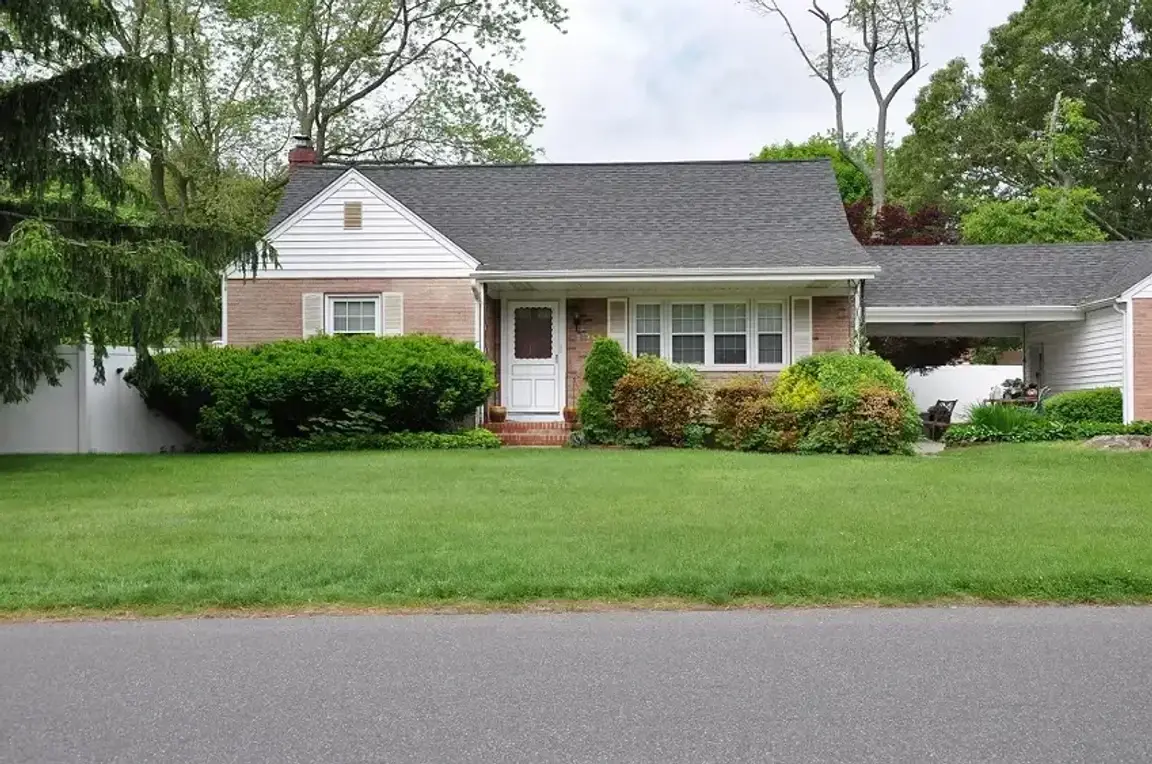
Inheriting a property can feel like both a blessing and a burden. While receiving a home may seem like a valuable asset, it can also bring unexpected responsibilities, especially if you need to sell it quickly. From understanding legal requirements to managing repairs and navigating taxes, selling an inherited house in Pennsylvania can be complicated. This guide will walk you through the process, giving actionable steps to sell your inherited property quickly and efficiently.
Understanding Your Situation as an Inherited Property Owner
Before putting your inherited house on the market, it’s crucial to understand your legal standing, the probate process, and your responsibilities as an heir.
Probate Process in Pennsylvania
Probate is the legal process that validates a deceased person’s will, identifies heirs, and allows for the proper distribution of assets, including real estate. In Pennsylvania, the probate process can take weeks to several months, depending on the estate’s complexity and whether there are disputes among heirs.
Table: Typical Probate Timeline in Pennsylvania
| Step | Description | Typical Duration |
|---|---|---|
| Filing Petition | Submit estate documents to the court | 2–4 weeks |
| Notice to Heirs & Creditors | Heirs and creditors are officially notified | 3–6 weeks |
| Inventory & Appraisal | Assess property value and inventory estate assets | 4–8 weeks |
| Distribution | Assets, including the house, are transferred to heirs | 1–3 months |
Understanding probate timelines helps set realistic expectations for selling your inherited house. For a more detailed guide on selling during this process, see How to Sell an Inherited House During Probate in Pennsylvania.
Legal Ownership Considerations
Before selling, you must establish that you legally own the property. This usually involves providing:
- The death certificate of the deceased.
- A copy of the will (if one exists).
- Letters of administration or letters testamentary issued by the probate court.
If multiple heirs are involved, all must typically agree to the sale. Disputes can delay the process, so clear communication is essential. If probate may not be necessary for your situation, refer to Can You Sell an Inherited House Without Going Through Probate in Pennsylvania?.
Evaluating the House Before Selling
Before listing your property, evaluate its condition and market value. This will help determine the best approach to selling quickly.
Assessing Property Condition
Inherited homes often require repairs or updates. You’ll need to decide whether to invest in minor fixes or sell the property “as-is.”
Consider these factors:
- Structural issues: Roof leaks, foundation problems, or other major repairs.
- Cosmetic updates: Painting, flooring, landscaping, and minor touch-ups.
- Safety and code compliance: Ensuring the home meets local building and safety standards.
Selling as-is is generally faster and simpler, but making minor improvements can help attract better offers. For more guidance on selling without making repairs, see How to Sell an Inherited Property As-Is in Pennsylvania: A Step-by-Step Guide.
Determining Market Value
Accurately assessing your home’s value is crucial for setting a competitive price and attracting buyers quickly. You can determine value using:
- Online home value estimators.
- Local real estate agents with knowledge of comparable properties.
- Professional appraisals for precise valuation.
Table: Quick Home Value Estimation Methods
| Method | Pros | Cons |
|---|---|---|
| Online Estimator | Fast, convenient | Less accurate, may not reflect local market |
| Local Real Estate Agent | Accurate comparables | Commission required |
| Professional Appraisal | Most precise | Costly and may take longer |
Options for Selling an Inherited House in Pennsylvania
Different selling strategies can impact how quickly you can close the sale. Consider your priorities: speed, convenience, and potential sale price when choosing a method.
Traditional Sale
Listing with a real estate agent can potentially yield a higher sale price but may take longer. Typically, homes sell in 2–6 months, depending on market conditions. Agents handle marketing, showings, and negotiations, but commission fees (usually 5–6%) reduce your net proceeds.
If you want to explore bypassing an agent, check Selling an Inherited Home Without a Realtor in Pennsylvania: Pros and Cons.
Selling to Cash Buyers
Cash buyers purchase homes quickly, often within 7–30 days, and accept the property in its current condition. This approach avoids repair costs and lengthy negotiations but may result in a slightly lower sale price than a traditional sale.
Learn more about this option in The Benefits of Selling an Inherited House for Cash in Pennsylvania.
Selling with Tenants
If the inherited property has tenants, you may need specialized guidance. Selling tenant-occupied homes has legal requirements that differ from vacant homes. For detailed advice, see How to Sell an Inherited House with Tenants in Pennsylvania.
Auction or Estate Sale
Selling through an auction can be fast if the property attracts competitive bidding. Estate sales may be an option if the house contains valuable contents. Both methods carry fees and can be unpredictable, so they are best for sellers seeking speed over price.
Comparison of Selling Options
| Method | Speed | Cost | Repairs Needed | Complexity |
|---|---|---|---|---|
| Realtor Sale | 2–6 months | Commission | Often | Medium |
| Cash Buyer | 1–4 weeks | Low fees | No | Low |
| Auction | 1–3 months | Auction fees | Usually No | Medium |
Preparing the House for a Fast Sale
A quick sale is easier when the house is prepared for potential buyers. This doesn’t always mean expensive renovations.
Decluttering and Cleaning
Clean and declutter the property to make it more appealing. Focus on:
- Removing personal items and excess furniture.
- Deep cleaning bathrooms and kitchens.
- Landscaping and tidying outdoor spaces.
- Taking high-quality photos for online listings.
Minor Repairs vs Selling As-Is
Small repairs can improve the sale price, but selling as-is is faster. Consider fixing:
- Leaky faucets and running toilets
- Broken windows or doors
- Peeling paint or minor flooring damage
If the house is in good structural condition, many buyers, especially cash buyers, will purchase it as-is. For guidance on selling a house in its current condition, see How to Sell a House As-Is.
Understanding Pennsylvania Taxes and Costs
Selling an inherited house in Pennsylvania involves specific taxes and costs that can affect net proceeds.
Capital Gains and Inherited Property
One benefit of inherited properties is the step‑up in basis, which adjusts the property’s tax basis to its value at the time of death. If you sell shortly after inheriting, you’re unlikely to owe substantial capital gains tax.
However, you will still need to consider:
- Any gain above the step‑up basis
- Federal capital gains tax rules
- Pennsylvania inheritance tax
For detailed information on tax rates, exemptions, and filing requirements, see the Pennsylvania Department of Revenue Inheritance Tax page. Talk to a tax professional to understand your personal liability.
Transfer Taxes and Closing Costs
- Pennsylvania imposes a realty transfer tax (typically 2% of the sale price, shared between buyer and seller in some counties).
- Additional closing costs may include title search fees, attorney fees, and escrow charges.
Table: Common Costs When Selling an Inherited House
| Cost Type | Typical Amount | Notes |
|---|---|---|
| Real Estate Commission | 5–6% | Only for traditional sale |
| Closing Costs | $1,500–$3,000 | Varies by county |
| Repairs / Upgrades | $500–$5,000 | Optional, depends on condition |
| Taxes | Varies | Consult a CPA for accurate calculation |
Steps to Close the Sale Quickly
Selling an inherited house efficiently requires preparation, organization, and timely action. Follow these steps to accelerate the process while protecting your interests:
1. Gather Required Documents
Before putting your house on the market, collect all essential paperwork:
- Death certificate – verifies ownership transfer.
- Copy of the will – confirms heirs and instructions.
- Letters of administration or testamentary letters – court authorization to act on behalf of the estate.
- Property title and deed – proves legal ownership.
Having these documents ready can prevent delays during offers and closing.
2. Get a Property Valuation
Determine a fair asking price using one or more methods:
- Online valuation tools – quick, free, and easy for preliminary estimates.
- Real estate agents – provide comparative market analysis (CMA) for local accuracy.
- Professional appraisals – offer precise valuation but may take more time and cost more.
A well-supported valuation helps justify your asking price and can speed up negotiations. If you’re unsure how to price your home correctly, our Sell Your House Fast in Pennsylvania – A Step-by-Step Guide explains valuation strategies in detail.
3. Choose a Selling Method
Decide on the approach that best matches your goals:
- Traditional sale with an agent – potentially higher price but slower and involves commission.
- Cash buyers – fast, often as-is, minimal hassle.
- Auction or estate sale – can be fast but may be unpredictable in terms of price.
Consider speed, convenience, and your tolerance for repairs and negotiations when choosing a method.
4. Accept Offers and Negotiate
Once offers come in:
- Review all offers carefully, considering both price and terms.
- Prioritize buyers who can close quickly if speed is a priority.
- Negotiate only where it adds meaningful value; excessive back-and-forth can slow the sale.
5. Close the Sale
Finalize the sale through a title company or real estate attorney:
- Confirm all heirs have signed necessary documents.
- Ensure liens and debts are resolved.
- Transfer ownership to the buyer and receive funds.
Following these steps methodically can help you close in as little as a few weeks, especially when working with cash buyers.
Common Challenges and How to Avoid Them
Selling an inherited property comes with unique challenges. Anticipating these issues can help prevent delays, disputes, or lower offers.
Multiple Heirs
Disagreements among heirs are common and can delay the sale.
Solution: Schedule family meetings early to discuss the sale.
Tip: Use written agreements or legal mediation to ensure all heirs consent to the sale.
Liens or Debts
Outstanding liens or unpaid debts on the property can prevent a clean sale.
Solution: Conduct a title search before listing the home.
Tip: Resolve debts or negotiate payoffs ahead of time to avoid complications during closing.
Lowball Offers
Some buyers may try to exploit a seller’s urgency.
Solution: Understand the property’s market value thoroughly.
Tip: Obtain multiple offers to maintain leverage and choose the best combination of price and speed.
For more guidance on avoiding common pitfalls, see Common Mistakes to Avoid When Selling an Inherited House in Pennsylvania.
Tips for a Smooth Transaction
- Keep organized records of all communications, offers, and documents.
- Respond promptly to inquiries from buyers, agents, or attorneys.
- Work with professionals who understand Pennsylvania real estate law, including estate and probate nuances.
- Avoid last-minute repairs that don’t meaningfully increase the property’s value—focus on what actually impacts saleability.
FAQ Section
Q. How can I sell an inherited house in Pennsylvania without probate?
In some cases, small estates or clear ownership allow a sale without full probate. Always confirm with a Pennsylvania attorney before proceeding.
Q. What is the fastest way to sell an inherited house for cash in Pennsylvania?
Working with a reputable cash buyer can close a sale in 7–30 days, depending on property condition and required documentation.
Q. Will I owe capital gains tax when I sell an inherited house in Pennsylvania?
Inherited property usually gets a step-up in basis to the market value at the time of inheritance, reducing potential capital gains tax if sold quickly.
Q. What happens if multiple heirs disagree about selling an inherited house in Pennsylvania?
All heirs typically must agree to the sale. If disagreements arise, court intervention may be required to authorize the transaction.
Q. Can I sell an inherited property as-is in Pennsylvania?
Yes, many cash buyers purchase inherited properties in their current condition, avoiding repairs or renovations.
Q. How do I get a fair cash offer for my inherited house in Pennsylvania?
Obtain multiple offers, review local market values, and ensure the buyer is reputable and transparent before accepting.
Q. How long does it take to sell an inherited house fast in cities like Philadelphia or Pittsburgh?
Sales to cash buyers in major Pennsylvania cities can often close within 1–4 weeks, depending on paperwork and property condition.
Conclusion
Selling an inherited house in Pennsylvania can feel complicated, but it doesn’t have to be. Understanding the probate process, evaluating your property, and choosing the right selling method are key to a fast and smooth sale. For homeowners looking to sell quickly without dealing with repairs, listing, or long waiting periods, Property Buyer Today offers cash offers and expert guidance. Our team helps you navigate legal requirements, assess your home’s value, and complete the sale efficiently. By preparing your home, organizing documents, and understanding taxes, you can avoid delays and make informed decisions. Whether your goal is speed, convenience, or minimizing costs, Property Buyer Today works with you to simplify every step of the process. Selling an inherited property doesn’t need to be stressful—our goal is to make it straightforward, giving you the freedom to move forward with confidence.