
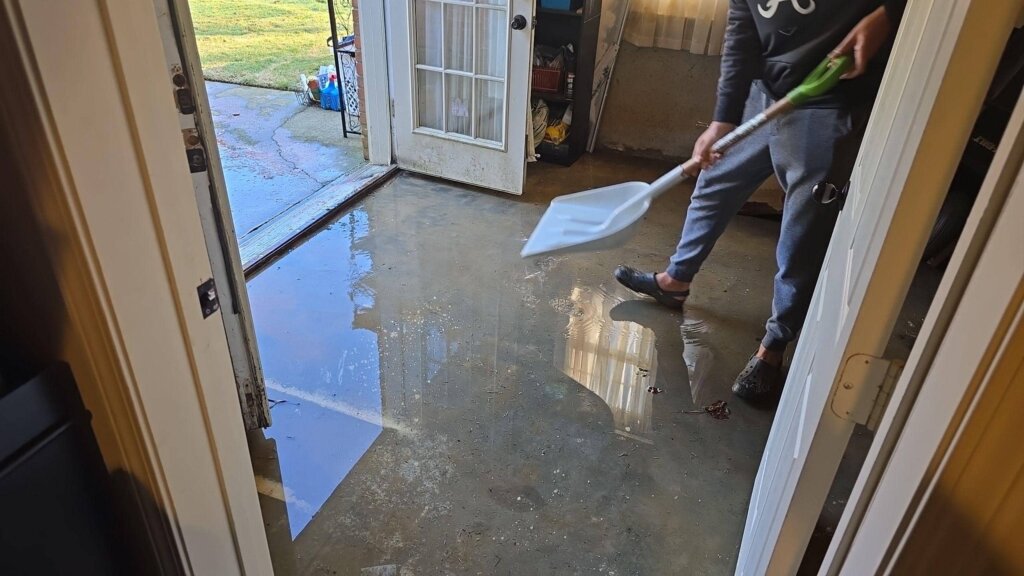
Selling a house with water damage in Pennsylvania can feel stressful, especially when the damage affects the basement, roof, flooring, walls, plumbing, electrical system, or foundation. Many homeowners worry that the house will not qualify for financing, buyers will walk away after inspection, or repairs will cost more than they can afford.
The good news is that you can sell a house with water damage in Pennsylvania. The right path depends on the condition of the property, your timeline, your repair budget, and the type of buyer you want to attract.
Some sellers choose to repair the damage before listing. Others list the house as-is with a real estate agent. In more serious situations, selling directly to a local cash home buyer may be a practical option because the seller can avoid repairs, showings, lender delays, and repeated inspection negotiations.
Quick Answer: Can You Sell a House with Water Damage in Pennsylvania?
Yes, you can sell a house with water damage in Pennsylvania. You can repair the damage before selling, list the home as-is, sell to a real estate investor, or request a cash offer from a Pennsylvania cash buyer. If the property has major damage, mold concerns, code violations, or financing issues, selling as-is may be easier than a traditional sale.
What Counts as Water Damage?
Water damage can happen slowly over time or suddenly after a major event. In Pennsylvania homes, common causes include roof leaks, basement flooding, broken pipes, sewer backups, sump pump failure, water heater leaks, storm damage, poor drainage, frozen pipes, and foundation seepage.
The damage may be visible, such as stained ceilings, warped floors, peeling paint, or wet drywall. It may also be hidden behind walls, under flooring, or inside the basement structure.
Common water damage issues include:
- Wet or damaged drywall
- Damaged hardwood, carpet, or subflooring
- Mold or mildew concerns
- Basement flooding
- Roof leaks
- Plumbing leaks
- Electrical safety concerns
- Foundation cracks or seepage
- Damaged insulation
- Musty odors
- Code enforcement concerns
For older Pennsylvania homes, water damage can be more complicated because the property may already have aging plumbing, old roofing, outdated electrical systems, stone foundations, or long-term deferred maintenance.
Why Water-Damaged Homes Are Harder to Sell Traditionally
A traditional home sale usually depends on buyer confidence. Water damage reduces that confidence because buyers may not know how serious the problem is.
A buyer may wonder:
- Is there mold behind the walls?
- Was the basement flooded once or many times?
- Is the foundation affected?
- Will the roof need replacement?
- Are the plumbing and electrical systems safe?
- Will the lender approve the loan?
- Will the insurance company raise concerns?
- Are there open municipal violations?
Even if a buyer likes the home, their lender may have concerns if the property is unsafe, unfinished, or in poor condition. FHA, VA, conventional, and other financed buyers may need the home to meet certain condition standards before closing.
That does not mean the home cannot be sold. It simply means the seller may need to choose the right selling strategy.
Do You Have to Repair Water Damage Before Selling?
No, you do not always have to repair water damage before selling a house in Pennsylvania. A seller can often sell the property as-is, which means the seller is not agreeing to make repairs before closing.
However, selling as-is does not mean hiding known problems. Pennsylvania’s Real Estate Seller Disclosure Law explains that sellers must disclose known material defects when transferring residential real estate. If you know about roof leaks, basement flooding, mold concerns, prior water damage, foundation problems, plumbing leaks, or other material issues, you should be honest about them during the sale process.
The state’s official Seller’s Property Disclosure Statement also includes property condition sections that can relate to water damage, including roof, basement, structural, plumbing, drainage, and hazardous substance concerns.
Because disclosure rules and legal responsibilities can vary based on the situation, homeowners should speak with a qualified Pennsylvania real estate attorney, licensed agent, or other appropriate professional if they have questions about disclosure, title, probate, divorce, foreclosure, or tenant-related issues.
For a deeper explanation of what selling as-is means, what sellers may still need to disclose, and how the process works, read Selling a House As-Is in Pennsylvania: The Complete Homeowner’s Guide.
Pennsylvania Homes Where Water Damage Is Common
Water damage can affect almost any home, but certain Pennsylvania properties may face higher risks.
In Norristown, East Norriton, King of Prussia, Montgomery County, Bucks County, Chester County, Delaware County, Berks County, the Lehigh Valley, and the Philadelphia suburbs, many homes are older or have had multiple owners over time. Some are rowhomes, twin homes, rental houses, inherited family homes, vacant properties, or homes with years of deferred maintenance.
Common local situations include:
- Older rowhomes with roof leaks
- Twin homes with basement moisture
- Single-family homes with sump pump failure
- Rental properties with tenant-caused damage
- Vacant houses with unnoticed plumbing leaks
- Inherited homes with outdated systems
- Properties with municipal code violations
- Houses with tax delinquency or title issues
- Homes facing foreclosure or sheriff sale concerns
These situations can make the selling process more complex, especially if the seller does not live near the property or does not have the money to complete repairs.
Option 1: Repair the Water Damage Before Selling
Repairing the damage before listing can make sense if the home is in a strong location, the damage is limited, and the seller has enough time and money to complete the work properly.
Repairs may include replacing drywall, fixing plumbing, repairing the roof, removing mold, replacing flooring, correcting drainage issues, or restoring the basement.
The benefit is that a repaired home may attract more traditional buyers and may sell for a higher price. The downside is that repairs can become expensive, especially if contractors uncover hidden problems.
This option may be best if the damage is minor and you are not in a rush to sell.
Option 2: List the House As-Is with a Real Estate Agent
Another option is to list the house as-is on the open market. This allows buyers to see the property and make offers based on its current condition.
This may work if the home is priced correctly and the damage is not severe. Some buyers are comfortable taking on repairs if they believe the price reflects the condition.
The challenge is that as-is listings can still involve inspections, appraisals, buyer financing, repair requests, and closing delays. A buyer may make an offer and then reduce it after inspection. Another buyer may walk away if the damage appears worse than expected.
This option may be best if you want market exposure and can wait for the right buyer.
Option 3: Sell to a Real Estate Investor or Direct Buyer
A real estate investor or direct buyer may be willing to purchase a house with water damage because they are used to evaluating repairs, renovation costs, and property risk.
This can be helpful if the house needs major work, has been vacant, has tenants, has code violations, or may not qualify for traditional financing.
In some municipalities, property condition issues may also involve local enforcement. For example, Norristown’s property maintenance rules allow municipal inspectors and code officials to issue violation tickets for certain quality-of-life violations under its Property Maintenance Quick Ticket Program.
The tradeoff is that an investor offer is usually based on the property’s as-is condition, estimated repairs, holding costs, and resale value. It may be lower than a fully repaired retail price, but it may save the seller time, repair money, commissions, and uncertainty.
Option 4: Sell to a Local Cash Home Buyer
Selling to a local cash home buyer can be a practical solution when the home has serious water damage and the seller wants a simpler process.
A Pennsylvania cash buyer may purchase the home as-is, meaning the seller does not need to fix the roof, replace flooring, clean out the basement, remove damaged drywall, or complete cosmetic updates before closing.
This option may help homeowners who need to:
- Sell house as-is
- Sell house without repairs
- Sell my house fast in Pennsylvania
- Sell a damaged house
- Sell an inherited house in Pennsylvania
- Avoid foreclosure in Pennsylvania
- Sell a vacant house
- Sell a rental property with damage
- Sell a house with code violations
- Sell a house with tenants
Property Buyer Today can review water-damaged properties in Pennsylvania and provide a fair local cash offer when a direct sale makes sense. The goal is not to pressure the homeowner, but to give them another option to compare against repairs or a traditional listing.
Comparing Your Selling Options
| Selling Option | Best For | Main Benefit | Main Limitation |
|---|---|---|---|
| Repair before listing | Minor or moderate damage | May attract more buyers | Requires money, time, and contractor management |
| List as-is | Sellers who can wait | Open market exposure | Buyer financing and inspection issues may happen |
| Sell to investor | Major repairs or distressed property | Investor understands renovation risk | Offer may be below repaired retail value |
| Sell to cash buyer | Fast as-is sale | No repairs, fewer delays, flexible closing | Not ideal if maximizing retail price is the only goal |
Step-by-Step: How to Sell a Water-Damaged House in Pennsylvania
1. Understand the source of the damage
Before choosing a selling option, try to understand where the water came from. Was it a roof leak, pipe burst, basement seepage, sewer backup, or storm-related problem?
2. Gather documents
Collect photos, repair estimates, insurance paperwork, inspection reports, contractor notes, utility bills, and any municipal notices. These records can help buyers understand the situation.
3. Check for safety concerns
If there is standing water, mold, exposed wiring, sagging ceilings, or structural damage, avoid entering unsafe areas. Get professional help when needed.
4. Review title, liens, and legal issues
If the property is inherited, in probate, tax delinquent, tenant-occupied, involved in divorce, or close to foreclosure, speak with the right professional before signing anything. Pennsylvania homeowners handling an inherited property can find county-level probate office information through the Pennsylvania courts’ Registers of Wills directory.
5. Compare your options
Ask what the home may sell for repaired, what repairs may cost, what an as-is listing may bring, and what a local cash offer looks like.
6. Choose the sale path that fits your situation
The best option depends on whether you value maximum price, speed, convenience, certainty, or avoiding repairs.
Example Pennsylvania Selling Situation
A common situation in Montgomery County is an inherited older twin home with basement water damage, roof leaks, damaged flooring, and outdated plumbing. The property may have been vacant for several months, and the heirs may live outside Pennsylvania or may not have the time, budget, or local contractor contacts to manage repairs.
In this situation, a traditional buyer may hesitate because of inspection concerns, possible mold, repair costs, or uncertainty about the home’s true condition. If the buyer is using financing, the lender may also require certain repairs before closing, which can delay the sale or cause the deal to fall through.
The family could repair the property before listing, but that may involve hiring contractors, comparing estimates, cleaning out the home, checking for code issues, and waiting weeks or months before the property is ready for the market.
For homeowners who want to avoid repairs, travel, delays, and repeated negotiations after inspection, comparing an as-is listing with a direct cash offer can be a practical next step. If the cash offer helps solve the repair, timeline, and distance-related challenges, it may be the simpler option.
Common Mistakes to Avoid
Do not ignore water damage and hope buyers will not notice. Inspections usually reveal moisture problems.
Do not assume every buyer can purchase the property. Many buyers rely on financing, and financing can be difficult with serious damage.
Do not start major repairs without knowing whether they will increase your net proceeds.
Do not hide known defects. This can create legal and financial problems after closing.
Do not wait too long if foreclosure, tax delinquency, or a sheriff sale is already involved. Homeowners in Montgomery County can review public foreclosure sale information through the county’s official foreclosure sales listing, but anyone facing foreclosure should also speak with a qualified professional quickly.
Do not accept an offer without understanding fees, contingencies, closing costs, repair requests, and timeline.
When a Cash Sale May Make Sense
A cash sale may make sense if the house has major water damage, the repair cost is too high, the home is vacant, the property has tenants, there are code violations, or the seller needs a faster closing.
It may also help when the seller inherited the house, relocated, is going through divorce, owns a damaged rental, or does not want to spend time preparing the property for showings.
A cash sale may not be the best choice if the home only needs minor repairs and you have time, money, and energy to list traditionally. Homeowners should compare their options before deciding.
FAQs About Selling a Water-Damaged House in Pennsylvania
Q. Can I sell a house with water damage in Pennsylvania?
Yes, you can sell a house with water damage in Pennsylvania. You can repair it first, list it as-is, sell to an investor, or request a cash offer from a local Pennsylvania cash buyer.
Q. Do I have to fix water damage before selling my house?
No, you do not always have to fix water damage before selling. Many homeowners sell as-is when repairs are too expensive or the home has basement flooding, roof leaks, mold concerns, or plumbing damage.
Q. Can I sell a house with basement water damage in Pennsylvania?
Yes, you can sell a house with basement water damage in Pennsylvania. Basement seepage, sump pump failure, foundation cracks, and flooding are common issues, especially in older homes.
Q. Will buyers purchase a house with mold or water damage?
Some buyers will purchase homes with mold or water damage, but traditional buyers may hesitate because of inspection, health, and financing concerns. Cash buyers and investors are usually more comfortable with repair-heavy properties.
Q. Can I sell an inherited house with water damage?
Yes, you can sell an inherited house with water damage, but probate, title, heirs, or estate authority may need to be handled first. An as-is sale may help avoid repairs, cleanout work, and long listing delays.
Q. Can I sell a water-damaged house with code violations?
Yes, some buyers will purchase a water-damaged house with code violations. Requirements can vary by borough, township, city, or county, including areas like Norristown, Montgomery County, and nearby Philadelphia suburbs.
Q. Will a bank approve a loan on a water-damaged house?
A bank may not approve financing if the water damage creates safety, mold, structural, electrical, plumbing, or livability concerns. This is why some damaged homes are easier to sell to cash buyers.
Q. What is the best way to sell a house with water damage in Pennsylvania?
The best option depends on your goal. If you want to avoid repairs, showings, inspection delays, and lender issues, selling as-is to a local Pennsylvania cash buyer may be the simplest path.
Final Thoughts
Selling a house with water damage in Pennsylvania is possible, but the right strategy depends on the property and your personal situation. If the damage is minor and you have time, repairs or an as-is listing may work. If the home has major damage, code issues, tenants, probate concerns, or foreclosure pressure, a direct sale to a local cash home buyer may be worth considering.
If you want to sell as-is without repairs, Property Buyer Today can review your property and provide a fair local cash offer. You can compare that offer with your other options and choose the path that makes the most sense for your home, timeline, and goals.