
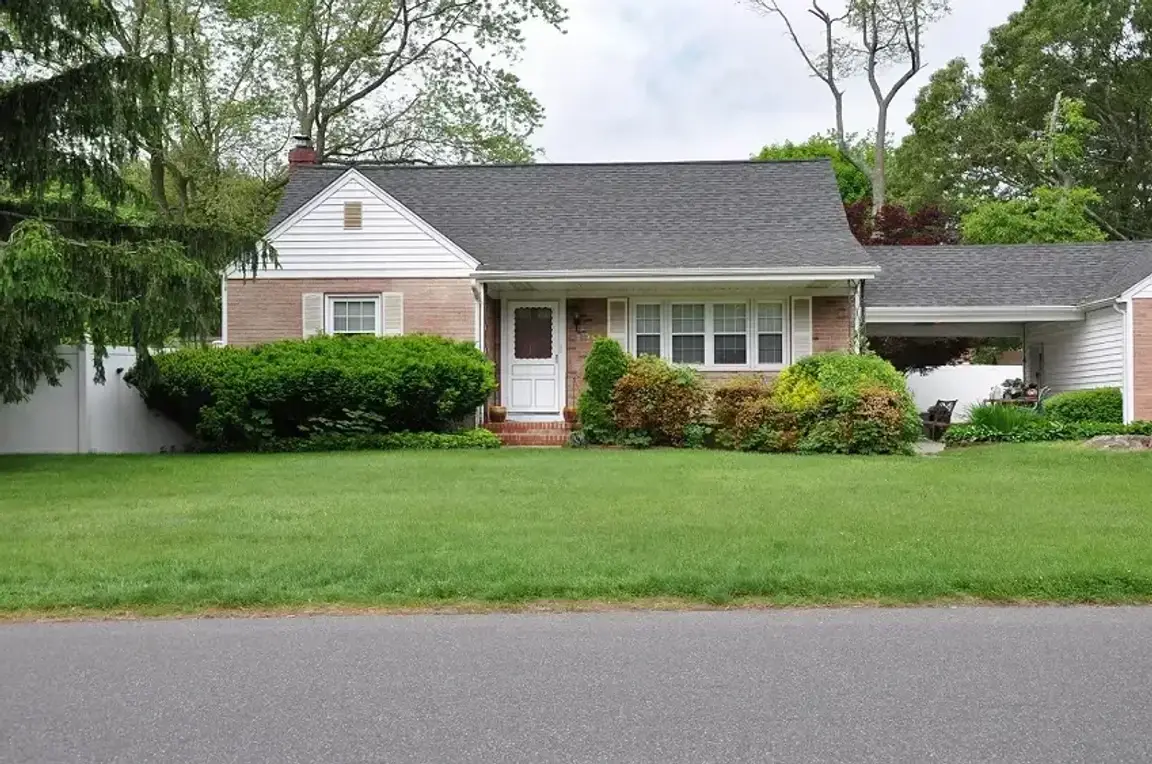
Inheriting a property can be both a gift and a responsibility. While some heirs may be excited about acquiring a new asset, many are faced with the reality that managing and maintaining a home comes with challenges. Some inherited properties are outdated, damaged, or located far away, making them difficult to maintain. For these situations, selling the property as-is is often the most practical solution.
An as-is sale allows you to sell the home in its current condition without making costly renovations, repairs, or updates. This type of sale is particularly appealing for those who want to move quickly, avoid long-term maintenance, or liquidate the property without additional financial burden.
This step-by-step guide will walk you through the process of selling an inherited property as-is in Abington, PA. It covers legal requirements, property preparation, pricing strategies, marketing, and closing, giving you a clear roadmap to a smooth and efficient sale.
Understanding Inherited Property Sales
What Is an Inherited Property?
An inherited property is any real estate that is transferred to a person after the previous owner passes away. The transfer usually occurs through a will or trust, but in cases where no will exists, state law determines the rightful heirs. In Pennsylvania, inherited properties are commonly transferred via probate, a legal process that ensures debts are settled and the property passes to the correct heirs.
Ownership of an inherited property brings both rights and responsibilities. As an heir, you may have the right to use or occupy the home, but you are also responsible for paying property taxes, insurance, and maintenance. Understanding these responsibilities is crucial before deciding to sell.
As-Is Sale Explained
Selling a property as-is means that the buyer purchases it in its current condition. You are not required to perform any repairs or upgrades, even if the property has structural issues or cosmetic damage. The term “as-is” signals to buyers that they should account for these issues when making an offer.
| Pros | Cons |
|---|---|
| Quick sale | Sale price may be lower than fully renovated homes |
| No repair costs | Fewer buyers may be interested |
| Less stress | Potential negotiations over property condition |
| Avoids long-term maintenance | Inspections may reveal issues affecting price |
As-is sales are particularly attractive to cash buyers, real estate investors, and individuals looking for renovation projects. While you may not receive the absolute top market price, the speed and simplicity of an as-is sale often outweigh this drawback. For a clear explanation of how an as‑is sale works and what sellers should expect, check out this guide on selling a house as-is when it needs repairs.
Legal Considerations in Abington, PA
Probate Requirements
Probate is a legal process that validates a will and oversees the distribution of the deceased person’s assets. Before selling an inherited property, it’s important to determine whether probate is necessary.
- With a will: The executor named in the will handles the property and ensures debts are settled before distribution.
- Without a will: State intestacy laws dictate who inherits the property. Pennsylvania law has specific rules to determine heirs and their shares.
- Probate timelines: In Abington, PA, probate can take anywhere from a few months to over a year depending on the complexity of the estate, disputes among heirs, or outstanding debts.
If the property has multiple heirs, all parties typically need to agree to the sale. Disagreements can cause delays or even legal challenges. For tips on navigating probate quickly and selling inherited homes without unnecessary delays, see How to Sell an Inherited House Fast in Pennsylvania.
Title and Ownership Verification
A clear title is essential for selling any property. A title search ensures there are no liens, unpaid taxes, or ownership disputes that could complicate the sale.
- Title companies can conduct a thorough search to uncover any claims or encumbrances.
- Ensuring clarity prevents delays at closing and provides buyers with confidence in the transaction.
Taxes and Fees
Selling an inherited property may trigger several tax obligations:
- Inheritance Tax: Pennsylvania imposes inheritance tax on property passed to heirs. Rates depend on the relationship to the deceased and the value transferred. You can find official rate information from the Pennsylvania Department of Revenue.
- Capital gains tax: Calculated on the difference between the property’s fair market value at inheritance and the sale price. The stepped-up basis often minimizes taxes if the property hasn’t appreciated significantly.
- Property taxes: Ensure that all outstanding property taxes are paid before listing. Unpaid taxes can reduce buyer confidence and delay the sale.
Consulting a tax professional can help you understand potential liabilities and optimize your financial outcome.
Preparing the Property for Sale
Evaluating the Property Condition
Even for an as-is sale, understanding the property’s condition helps in setting a realistic price and marketing strategy. Buyers will often conduct inspections, and visible issues can impact offers.
Checklist for evaluation:
- Roof and gutters: Check for leaks, missing shingles, and water damage.
- Plumbing: Inspect pipes, water pressure, and potential leaks.
- Electrical: Ensure wiring is safe and outlets are functional.
- Foundation: Look for cracks, water intrusion, or settling issues.
- Interior: Walls, floors, and ceilings should be evaluated for cosmetic damage.
Documenting the property’s condition with photos and notes provides transparency and protects against disputes.
Decluttering and Minimal Repairs
While you are not obligated to repair the property, minor improvements can enhance appeal without significant expense:
- Remove personal items and excess clutter.
- Clean all rooms thoroughly.
- Touch up paint in high-visibility areas.
- Repair obvious hazards such as broken steps or doors.
Even small improvements can make a significant difference in attracting buyers and maximizing the sale price.
Gathering Documentation
Having all relevant documents ready streamlines the sale and builds buyer confidence:
- Deed and title documents: Prove ownership.
- Mortgage information: Show any existing liens.
- Property tax records: Demonstrate payment history.
- Probate paperwork: Confirms legal authority to sell.
Well-organized documentation can reduce delays and make the process smoother for everyone involved.
Pricing the Inherited Property
Determining Market Value
Accurate pricing is key to attracting serious buyers:
- Comparative Market Analysis (CMA): Compare recent sales of similar homes in Abington, PA.
- Online tools: Zillow, Redfin, or Realtor.com can provide preliminary estimates.
- Professional appraisal: An appraiser can offer a detailed valuation considering condition, location, and market trends.
Pricing As-Is
Adjust the market value based on the property’s condition to reflect necessary repairs or updates.
| Factor | Example Value | Adjustment |
|---|---|---|
| Market value | $300,000 | – |
| Estimated repairs | $25,000 | -$25,000 |
| As-Is price | $275,000 | N/A |
This approach sets realistic expectations and attracts buyers who understand the property’s condition.
Selling Options for Inherited Homes
Traditional Listing With an Agent
Pros:
- Potentially higher sale price.
- Extensive marketing reach, including MLS listings.
- Professional guidance through negotiations and closing.
Cons:
- Longer timeline, often several months.
- Commission fees, typically 5-6%.
- May require repairs or staging to attract buyers.
Selling As-Is to Cash Buyers
Benefits:
- Fast closing, often within 2-6 weeks.
- Minimal repairs needed.
- Streamlined process for multiple heirs.
Cash buyers often purchase homes in any condition, making this option ideal for properties that are outdated, damaged, or difficult to sell traditionally.
Private Sale or Auction
Some inherited properties may benefit from a private sale to an investor or a local auction:
- Can generate competitive offers.
- Requires strategic marketing to attract buyers.
- Often faster than traditional listings but may involve fees.
Marketing the Property
Creating an Effective Listing
Highlight the as-is condition clearly and professionally:
- Include high-quality photos, showing both the interior and exterior.
- List key features: number of bedrooms, bathrooms, square footage, and lot size.
- Emphasize benefits such as proximity to schools, parks, and transportation.
Local Platforms & Online Listings
- Zillow, Realtor.com, Trulia for broad exposure.
- Facebook Marketplace, local real estate groups, and neighborhood forums for targeted reach.
Open Houses & Virtual Tours
- Open houses allow buyers to see the property firsthand.
- Virtual tours can attract out-of-town investors and offer convenience.
- Consider live video walkthroughs to answer buyer questions in real-time.
Negotiating and Closing the Sale
Reviewing Offers
- Compare multiple offers, considering price, contingencies, and closing timeline.
- Cash offers often outweigh higher financed offers due to speed and certainty.
- Be transparent about property issues to avoid post-sale disputes.
7.2 Accepting a Cash Offer
- Cash buyers can often close faster and bypass the mortgage process.
- Offers are typically more flexible regarding repairs and contingencies.
- Ensure the buyer has proof of funds before proceeding.
Closing Process in Abington, PA
- Title transfer: Handled by a title company or attorney.
- Final walkthrough: Allows the buyer to verify property condition.
- Signing closing documents: Both parties finalize the sale legally.
- Receiving payment: Typically via wire transfer or certified check.
Common Challenges and How to Avoid Them
| Challenge | Solution |
|---|---|
| Multiple heirs with disagreements | Mediation or legal guidance ensures agreement |
| Property in poor condition | Price realistically and disclose issues |
| Probate delays | Work with an experienced attorney to navigate legal requirements |
| Tax issues | Consult a tax professional to plan for potential liabilities |
| Low buyer interest | Market widely and highlight key property features |
Frequently Asked Questions
Q1: Do I need probate to sell an inherited property in Abington, PA?
In most cases, yes. Probate validates the will and ensures legal transfer of ownership, which is required before selling an inherited property in Abington.
Q2: How fast can I sell an inherited house in Abington, PA?
Selling to a cash buyer typically takes 2–6 weeks. Traditional listings may take several months depending on the market and property condition.
Q3: Will I owe capital gains taxes when selling an inherited home in Abington, PA?
Capital gains are usually calculated from the property’s value at inheritance, not the original purchase price. Consult a tax professional for your specific situation.
Q4: Can I sell an inherited property with tenants in it?
Yes, but you must respect existing lease agreements. Cash buyers often purchase tenant-occupied homes, simplifying the process for heirs.
Q5: How do I split proceeds if multiple heirs inherit the house in Abington, PA?
All heirs must agree on the sale and distribution. Using a written agreement or mediation ensures a smooth process and avoids disputes.
Q6: What if the inherited property has major damage or repairs?
You can still sell as-is. Cash buyers and investors often purchase homes needing significant repairs, which saves you time and renovation costs.
Conclusion
Selling an inherited property as-is in Abington, PA can be a practical and stress-free solution for heirs looking to move quickly and efficiently. By understanding legal requirements, preparing the property properly, pricing it realistically, and exploring your selling options, you can achieve a smooth and successful transaction.
At Property Buyer Today, we specialize in helping homeowners navigate the process of selling inherited properties. Whether you choose to sell to a cash buyer, through a traditional listing, or via other options, Property Buyer Today provides guidance and support every step of the way, ensuring you get a fair outcome while minimizing stress and delays.