
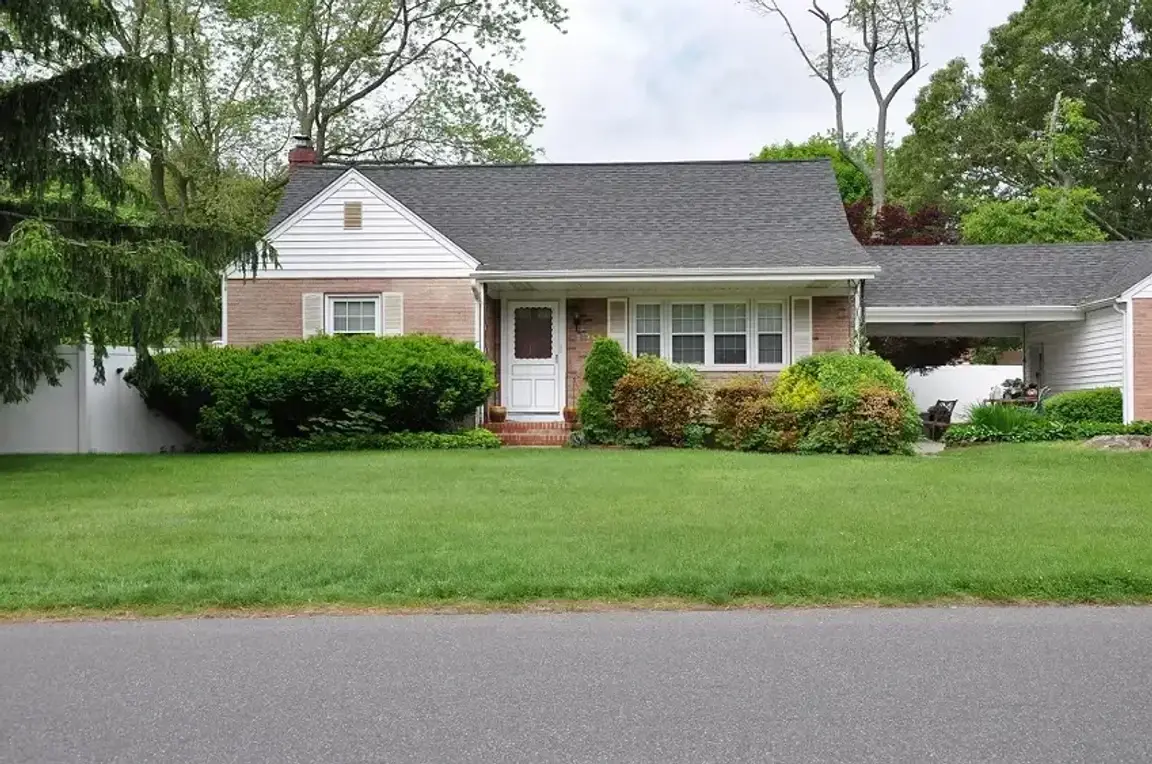
Inheriting a Pennsylvania house while living hundreds of miles away creates practical problems a local heir may never face. Someone needs to check the property, control access, protect important belongings, coordinate estate paperwork, and keep the house from deteriorating while decisions are being made.
Fortunately, living outside Pennsylvania does not usually mean traveling back for every step. Much of the process can be coordinated through local professionals, video walkthroughs, electronic documents, and remote signing when permitted.
Start with four priorities: confirm who has authority to sell, protect the property, identify title or estate issues, and understand what the house is worth before spending money on repairs.
For the broader inheritance process, see Property Buyer Today’s guide to selling an inherited house in Pennsylvania. This article focuses specifically on what changes when the person managing the sale lives outside the state.
Can You Sell an Inherited Pennsylvania House While Living in Another State?
Yes. You generally do not need to live in Pennsylvania to coordinate the sale of an inherited property there. The key issues are who has legal authority to act, whether the estate is still being administered, whether title problems exist, and how property access, documents, inspections, and settlement will be handled remotely.

Pennsylvania law gives personal representatives responsibilities for administering estate assets, including real estate in appropriate circumstances. The authority that applies to a particular property depends on the deed, will, estate status, and other facts.
If the house remains part of an open estate, read how to sell a house during probate in Pennsylvania before signing a sale agreement. When ownership, heirship, or estate authority is unclear, a Pennsylvania probate or real estate attorney and the settlement/title company should review the situation.
Confirm Who Can Sign Before Spending Money on the House
Before ordering a cleanout, hiring a contractor, listing the property, or accepting an offer, establish who has authority to act.
Depending on the estate and ownership structure, that person may be an:
- Executor
- Administrator
- Trustee
- Surviving owner
- Beneficiary who has already received title
- Other properly authorized fiduciary
Being named as a beneficiary in a will does not automatically mean you can immediately sign every real estate document.
When probate is required, the county Register of Wills is involved in appointing an executor or administrator and issuing the appropriate authority. The Pennsylvania probate selling guide explains the process in more detail.
Resolving authority first can prevent you from spending estate money on a property that is not yet ready to be sold.
Protect a Vacant Inherited House While You Live Elsewhere
An inherited house can lose value while the family is still deciding what to do with it.
Arrange for a reliable local person to check:
- Doors and windows
- Plumbing and heating
- Roof or water leaks
- Signs of unauthorized entry
- Pest activity
- Exterior maintenance
- Mail buildup
- Storm or weather damage
Contact the insurance company promptly and explain that the owner has died and whether the house is vacant. Coverage requirements vary, so do not assume the existing homeowners policy will continue unchanged.
Vacancy also creates ongoing expenses, including property taxes, utilities, insurance, maintenance, lawn care, snow removal, and emergency repairs.
Property Buyer Today’s vacant-home selling guide discusses several of these concerns in a Pennsylvania context.
Choose One Person to Manage Property Access
Out-of-state heirs can avoid unnecessary confusion by assigning one reliable local person to coordinate access.
That person does not have to make estate or financial decisions. Their job is simply to make sure authorized people can enter when necessary.
Access may be needed for:
- Real estate agents
- Appraisers
- Contractors
- Inspectors
- Cleanout or estate-sale companies
- Municipal inspectors
- Prospective buyers
Keep track of keys, lockbox codes, and who has permission to enter. If several relatives independently give access to contractors, buyers, and cleanout crews, protecting the property and its contents becomes more difficult.
Much of the Sale Can Be Coordinated Remotely
Once authority and property access are organized, many tasks can be handled without repeated trips to Pennsylvania.
Useful tools include:
- Video walkthroughs
- Contractor photos
- Electronic contracts
- Email document delivery
- Video meetings
- Electronic signatures where permitted
- Local representatives
- Remote closing coordination
Pennsylvania permits electronic and remote notarization through properly authorized notaries. The Pennsylvania Department of State provides official Electronic or Remote Notarization guidance.
That does not mean every document in every closing can automatically be completed remotely. Ask the title or settlement company early which documents require original signatures, notarization, mailing, or another execution method.
Should You Repair an Inherited House From Another State?
Distance changes the economics of renovation.
A project that is manageable when you live nearby can become expensive when every contractor visit requires calls, photographs, a local contact, or another trip.
Before approving major work, compare:
Current as-is value
Potential value after repairs
Total cost of reaching that repaired value
The third number should include more than contractor invoices. Consider:
- Repairs and permits
- Cleanup
- Travel
- Utilities
- Property taxes
- Insurance
- Lawn or snow service
- Additional carrying time
- Unexpected problems discovered during the work
A renovation may make sense when it is likely to produce a meaningful increase in net proceeds. If the advantage is small, managing extensive work remotely can create more complexity than value.
For a repair-heavy property, compare selling a Pennsylvania house that needs major repairs with selling a house as-is in Pennsylvania.
Decide What Happens to the Belongings Before a Cleanout
An inherited home may contain decades of personal property.
Before removing anything, separate:
- Wills, deeds, tax records, and financial papers
- Family photographs
- Jewelry and valuables
- Items specifically addressed in estate documents
- Property beneficiaries want to keep
- Collectibles or items with possible resale value
- Items suitable for donation
- Ordinary household contents
If several beneficiaries are involved, agree on how belongings will be handled before giving a cleanout company unrestricted access.
You also do not necessarily need to empty the property before getting selling estimates. An agent can explain what preparation may improve an MLS listing, while some direct buyers may evaluate a property with furniture or unwanted contents remaining.
Property Buyer Today’s guide to companies that buy houses in any condition provides additional questions to consider when comparing as-is buyers.
When Several Heirs Live in Different States
Multiple beneficiaries add a communication challenge to an already remote transaction.
Settle practical questions early:
- Does everyone intend to sell?
- Who will communicate with the agent or buyer?
- Who can approve expenses?
- How will carrying costs be handled?
- What price range will be considered?
- What happens to personal belongings?
Property Buyer Today’s guide to mistakes to avoid when selling an inherited house in Pennsylvania discusses disagreements among heirs as one issue that can complicate a sale.
Family agreement and legal authority are not always the same thing. If disagreements involve ownership rights, estate administration, or fiduciary responsibilities, obtain Pennsylvania legal guidance before committing the property to a contract.
Check Title, Debt, and Local Requirements Early
A title problem discovered shortly before settlement is inconvenient for any seller and even harder to resolve from another state.
Ask the settlement/title professional to investigate:
- Deed ownership
- Mortgage payoff
- Recorded liens
- Judgments
- Tax claims
- Estate-related title problems
If title is already a concern, see Property Buyer Today’s guide to selling a house with title issues.
Also check the municipality where the property is located for relevant:
- Open permits
- Code violations
- Transfer inspections
- Use and Occupancy requirements
- Rental licensing
- Other property-transfer procedures
Pennsylvania municipalities do not all use the same requirements. Verify them with the city, borough, or township responsible for the actual property rather than relying on procedures from another community.
Pennsylvania Inheritance Tax Can Still Matter When You Live Elsewhere
Living outside Pennsylvania does not automatically remove Pennsylvania inheritance-tax considerations.
The Pennsylvania Department of Revenue lists inheritance-tax rates based largely on the beneficiary’s relationship to the person who died, with specific rates, exemptions, and filing rules applying to different situations.
Review the state’s official Pennsylvania Inheritance Tax guidance and inheritance-tax payment information.
Selling an inherited house can also create separate federal or state income-tax questions. A qualified tax professional or estate attorney should review the estate and proposed sale rather than relying on a general online estimate.
Listing vs. a Direct Sale When You Live Out of State
Living elsewhere does not mean you have to sell the property to an investor. Both an MLS listing and a direct sale can be coordinated remotely.
The more useful comparison is how much local work and supervision each route requires.
| Remote-Sale Issue | Listing With an Agent | Direct As-Is Buyer |
|---|---|---|
| Market exposure | Broad | Limited |
| Showings | Usually multiple | Usually fewer |
| Repairs | May improve marketability | Often not required |
| Cleanout | Often helpful | May be negotiable |
| Contractor coordination | May be required | Usually less if sold as-is |
| Buyer financing | May involve lender/appraisal | No mortgage with a true cash purchase |
| Remote supervision | Moderate to high | Often lower |
| Main advantage | Competitive market exposure | Fewer preparation steps |
| Main limitation | More coordination | Offer may be below potential retail value |
A market-ready inherited property may benefit from broad exposure. A vacant house full of belongings or requiring substantial repairs may make an as-is listing or direct offer worth comparing.
If you are considering a direct buyer, read how cash home buyers work in Pennsylvania before reviewing offers.
What an Out-of-State Heir May Need to Coordinate
Consider a hypothetical example only.
An heir living in Florida inherits an older Pennsylvania house that has been vacant since a parent’s death. The roof needs attention, several rooms are dated, and the house still contains furniture and personal belongings.
The heir first confirms estate authority, chooses a trusted local contact for access, contacts the insurer, and asks a settlement company to begin reviewing title.
Next, the heir gets an as-is valuation, an agent’s opinion of likely market value, and repair estimates.
If repairs appear likely to add substantial net value, the estate can consider managing the project. If the advantage becomes modest after travel, carrying expenses, repairs, and remote supervision, selling in the current condition may be more practical.
The numbers and workload should drive the decision.
Handle These Issues in This Order When You Live Out of State
- Confirm authority to sell. Review the deed, estate documents, and any Letters issued through the Register of Wills.
- Secure and insure the property. Arrange regular checks and confirm insurance requirements.
- Choose a local access contact. Control keys, lockboxes, and appointments.
- Gather records. Locate mortgage, tax, repair, lease, municipal, and estate documents.
- Start title review. Identify liens or ownership problems early.
- Check municipal requirements. Determine whether inspections, permits, or occupancy procedures apply.
- Establish current-condition value. Understand what the house may be worth before renovations.
- Price repairs realistically. Include carrying and remote-management expenses.
- Compare selling routes. Consider an MLS sale, an as-is listing, and direct offers where appropriate.
- Confirm remote closing logistics. Ask how required documents will be signed and notarized.
This order helps prevent an heir from spending heavily on improvements when probate, title, taxes, or another transaction issue is actually controlling the timeline.
FAQs About Selling an Inherited Pennsylvania House From Out of State
Do I have to travel to Pennsylvania to sell an inherited house?
Not necessarily. Many parts of the sale can be coordinated through local professionals, electronic documents, video communication, and remote signing when permitted. Confirm any signing or notarization requirements with the settlement company early.
Can I sell an inherited Pennsylvania house before probate is finished?
Possibly. A sale may occur while estate administration remains open if the appropriate personal representative has authority to act. The estate documents, deed, probate status, and title should be reviewed before signing a contract.
Can I sell an inherited house as-is while living in another state?
Yes. You can consider an as-is listing or a direct buyer without managing major renovations remotely. Compare likely net proceeds, required preparation, and the amount of long-distance coordination involved.
Can I close on a Pennsylvania inherited property without being there in person?
Often, much of the closing process can be handled remotely. The exact signing and notarization requirements depend on the transaction and documents, so ask the title or settlement company how your closing will be handled.
What if several heirs live in different states?
Clarify who has legal authority to act and how the heirs will make decisions about price, expenses, repairs, and belongings. If disagreements involve ownership or estate rights, consult an appropriate Pennsylvania estate attorney.
Should I repair an inherited Pennsylvania house before selling it?
Only when the expected increase in net proceeds clearly justifies the repair costs, delay, carrying expenses, and remote supervision. Get realistic estimates before committing estate money to renovations.
Do I owe Pennsylvania inheritance tax if I live in another state?
Living elsewhere does not automatically eliminate Pennsylvania inheritance-tax considerations. The amount and filing requirements depend on the estate and relationship to the decedent, so a qualified tax professional or estate attorney should review your situation.
Before You Sell From Out of State, Get the Estate and Property in Order
An out-of-state inherited-property sale becomes easier when responsibilities are assigned early.
Confirm who has authority. Secure the house. Choose one person to manage local access. Investigate title and municipal issues. Decide what happens to the belongings. Understand the property’s current value before committing estate money to renovations.
From there, compare your selling routes on equal footing.
A traditional listing may make sense for a market-ready house. An as-is listing can provide broad exposure without a full renovation. A direct buyer may deserve consideration when the property requires substantial work, remains full of belongings, or is difficult to supervise from another state.
If you want a direct-sale option to include in the comparison, Property Buyer Today can review the inherited property in its current condition and provide an as-is offer. Compare that offer with the likely net result of listing and any work you would need to coordinate remotely.
This article provides general educational information and is not legal, probate, tax, financial, title, insurance, or real estate advice. Estate authority, taxes, title requirements, municipal procedures, and closing requirements vary by estate and property. Consult the appropriate Pennsylvania attorney, tax professional, county Register of Wills, settlement/title professional, insurance provider, or municipal office for guidance about your specific situation.