
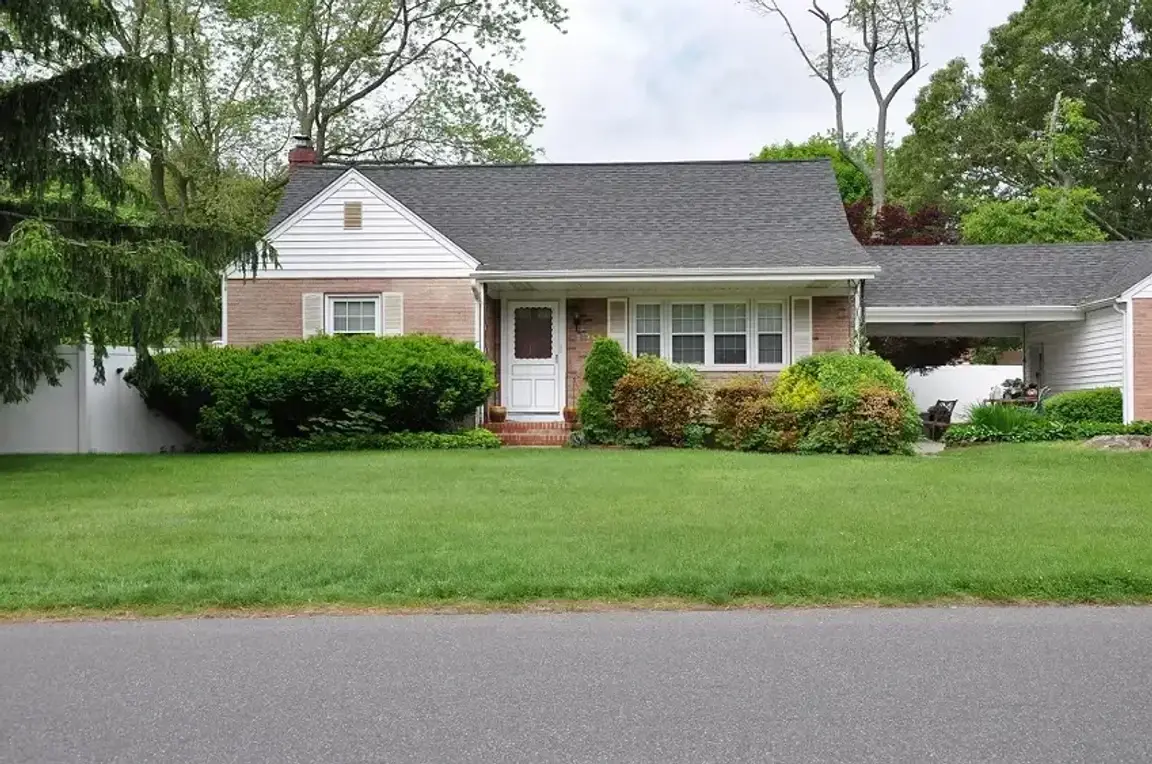
Inheriting a property in Pennsylvania can feel like both a blessing and a burden. On one hand, it provides an asset that could significantly benefit heirs financially. On the other, it comes with complex legal, financial, and emotional considerations that can make the sale process overwhelming. Many heirs make mistakes that cost time, money, or create unnecessary stress. This article provides a detailed guide to the most common errors and how to avoid them when selling an inherited house in Pennsylvania.
Not Understanding Pennsylvania Inheritance Laws

Pennsylvania’s inheritance laws are unique and can have a significant impact on how an inherited property is managed and sold. Lack of knowledge in this area is one of the most costly mistakes heirs make.
Probate Process in Pennsylvania
Most inherited properties in Pennsylvania must go through probate, which is the legal process that validates a will and authorizes asset distribution. If probate isn’t handled correctly, the sale may be delayed or reversed. You can learn more about Pennsylvania’s probate process in detail on Nolo’s Pennsylvania Probate Overview.
- Steps in Probate Process:
- Filing the will with local probate court
- Notifying heirs and creditors
- Paying debts and taxes
- Distributing property to heirs
Without compliance, legal disputes or missed deadlines can happen.
Inheritance Tax Considerations
Pennsylvania imposes inheritance tax on transfers of property from a deceased person. The rate is based on the heir’s relationship to the deceased, and you can find the latest rules and rates on the Pennsylvania Department of Revenue inheritance tax page.
- Spouses: Exempt
- Children or direct descendants: 4.5%
- Siblings: 12%
- Other heirs: 15%
Failing to plan for these taxes can significantly reduce your net proceeds.
Multiple Heirs Conflicts
When multiple heirs inherit a property, disagreements are common. Conflicts may arise over:
- Whether to sell or keep the property
- How to divide proceeds
- Timing of the sale
- Responsibility for repairs and maintenance
These disagreements can cause long delays and even lead to court intervention if unresolved.
Table: Pennsylvania Inheritance Overview
| Factor | Details |
|---|---|
| Probate Required? | Usually yes, depending on estate size |
| Inheritance Tax Rate | Up to 15% depending on heir type |
| Common Delays | Disagreements, missing documents, estate claims |
Tip: Start communication with all heirs early and create a formal agreement on how to manage and sell the property.
Waiting Too Long to Sell
Many heirs hesitate to sell an inherited property, whether due to emotional attachment, uncertainty, or lack of knowledge. Waiting too long can create financial and practical problems.
Risks of Delaying the Sale
- Maintenance Costs: Older homes often require ongoing upkeep. Neglecting repairs can lead to more expensive issues later.
- Market Fluctuations: Real estate markets can be volatile. Waiting too long may reduce the property’s value.
- Property Taxes and Utilities: These expenses continue to accumulate while the house sits empty.
- Liability Risks: Vacant homes can attract trespassers, vandalism, or other liabilities.
Practical Tip
As soon as probate is completed, it’s often best to list the property promptly. Early action minimizes costs and ensures a smoother transaction.
Failing to Get a Property Valuation
Overestimating or underestimating the value of an inherited home is a common mistake that can cost heirs thousands of dollars. Accurately determining the property’s value is essential to avoid delays, lowball offers, and disputes among multiple heirs.
Why Proper Valuation Matters
- Competitive Pricing: Ensures the home is listed at a realistic market value.
- Attracts Serious Buyers: Correct pricing draws qualified buyers quickly.
- Prevents Lowball Offers: Avoids wasting time negotiating offers that are far below market value.
- Reduces Family Conflicts: Provides an objective basis for dividing proceeds among heirs.
Methods to Value an Inherited Property
- Professional Appraisal: Conducted by certified appraisers; highly accurate and legally accepted.
- Comparative Market Analysis (CMA): Compares recent sales of similar homes; quick and free when done by a real estate agent.
- Online Valuation Tools: Free estimates from sites like Zillow or Redfin; useful for rough guidance but not fully reliable.
Table: Valuation Methods
| Method | Pros | Cons |
|---|---|---|
| Professional Appraisal | Accurate and court-recognized | Can be costly |
| CMA (Comparative Market Analysis) | Quick, shows market trends | Less precise than appraisal |
| Online Valuation Tools | Free and fast | Can be inaccurate |
Tip: For inherited homes, especially when multiple heirs are involved or legal proceedings are pending, a professional appraisal is usually the safest approach.
For more strategies on pricing and selling inherited homes quickly, see our guide on How to Sell an Inherited House Fast in Pennsylvania.
Ignoring Necessary Repairs and Maintenance
Inherited homes often have deferred maintenance, outdated systems, or cosmetic issues. Ignoring these can limit sale potential.
Selling “As-Is” vs. Making Repairs
- As-Is Sale: Selling without repairs can simplify the process but usually leads to lower offers.
- Targeted Repairs: Fixing key issues, such as leaks, roof damage, or electrical problems, can improve buyer confidence and increase sale price.
- Cosmetic Updates: Fresh paint, landscaping, and minor upgrades can make a strong first impression without major investment.
Liability Risks
A property with unsafe conditions could expose heirs to legal liabilities. Ensure that hazards like broken stairs, exposed wires, or structural issues are addressed or clearly disclosed.
Practical Tip: Focus on repairs that directly impact safety and marketability. Avoid expensive renovations that may not yield a return.
Mismanaging Estate Paperwork
Proper documentation is critical when selling an inherited property. Missing or incomplete paperwork is a common source of delays.
Key Documents Needed
- Deed and title
- Tax records and mortgage statements
- Probate documents
- Insurance records
- Utility records
Common Mistakes
- Failing to obtain clear title
- Missing signatures or notarizations
- Not updating records to reflect heir ownership
Tips for Organization
- Maintain both physical and digital copies of all documents
- Create a checklist to track each document
- Consult an attorney if any paperwork is unclear or incomplete
Not Considering Tax Implications of the Sale
Selling an inherited property can trigger taxes beyond inheritance tax, and ignoring this can create unexpected financial burdens.
Capital Gains Tax
Inherited properties benefit from a step-up in basis, meaning capital gains are calculated based on the property’s market value at the date of death, not the original purchase price. This can reduce capital gains taxes, but understanding it is critical.
Deductible Costs
Some expenses may reduce taxable gain, including:
- Repairs and improvements
- Closing costs
- Real estate commissions
Tip: Work with a tax professional to calculate potential liabilities and ensure you take advantage of all deductible expenses.
Choosing the Wrong Selling Method
The method of sale can significantly affect speed, convenience, and profit.
Traditional Sale vs. Cash Sale
- Traditional Sale: May yield higher prices but takes longer and requires preparation.
- Cash Sale: Provides quick closure and avoids lengthy financing issues; ideal for properties in poor condition or when heirs need fast access to funds.
Selling “As-Is” vs. Renovating
- As-Is Sales: Simpler and faster but may attract lower offers.
- Renovations: Can increase property value but may take time and require upfront costs.
Working With Professionals
- Experienced real estate agents can handle marketing, negotiations, and legal processes.
- Selecting someone familiar with inherited property sales in Pennsylvania reduces risk of errors.
Emotional Mistakes
Inherited homes often carry emotional weight, which can cloud judgment and delay the sale.
Holding on to Sentimental Value
It’s normal to feel attached, but clinging to emotional value may prevent a timely and financially prudent sale.
Family Conflicts
Disagreements among heirs about whether to sell or how to divide proceeds are common. Proactive communication and mediation can prevent disputes from escalating.
Tip: Focus on practical outcomes, such as financial stability and legal compliance, rather than emotional attachment.
Not Researching Local Market Conditions
Market research is crucial to understanding how to price and sell an inherited home. Pennsylvania’s real estate market varies widely by city and county.
Key Factors to Consider
- Median home price
- Average days on market
- Popular sale method in the area
- Local economic and demographic trends
Table: Example Market Factors by Pennsylvania City
| City | Median Home Price | Days on Market | Popular Sale Method |
|---|---|---|---|
| Philadelphia | $300,000 | 45 | Traditional |
| Pittsburgh | $250,000 | 60 | Cash sale common |
| Harrisburg | $280,000 | 50 | Traditional |
Tip: Accurate market knowledge allows you to set realistic prices, anticipate buyer expectations, and improve negotiation outcomes.
Not Hiring the Right Professionals
Professional guidance is crucial when selling an inherited house.
Real Estate Agent / Broker
- Choose someone experienced with inherited homes
- Look for a proven track record of closing sales efficiently
Attorney or Estate Planner
- Ensures probate and legal requirements are properly handled
- Helps resolve disputes among heirs
Tax Professional
- Advises on inheritance and capital gains taxes
- Helps maximize deductible expenses and reduce liabilities
FAQs About Selling an Inherited House in Pennsylvania
Q. Can I sell an inherited house in Pennsylvania before probate is finalized?
No, most inherited homes in Pennsylvania must go through probate first. In rare cases, the court may grant permission to sell early, but legal guidance is essential.
Q. How do I divide proceeds among multiple heirs when selling an inherited house in Philadelphia?
Proceeds are usually divided according to the will or state intestacy laws. Heirs should agree in writing or seek mediation to prevent disputes.
Q. Do I have to pay capital gains tax when selling an inherited property in Pittsburgh?
Inherited properties get a step-up in basis, so capital gains tax usually applies only to the increase in value after inheritance. Consulting a tax professional is recommended.
Q. What are the fastest ways to sell an inherited house in Harrisburg, Pennsylvania?
Selling to a cash buyer or listing as-is can speed up the process. Avoiding lengthy renovations and preparing all documents in advance helps too.
Q. Can I sell an inherited house in Lancaster as-is, or do I need to make repairs?
You can sell as-is, but minor repairs often increase offers. Full renovations are optional and depend on market conditions and timing.
Q. How long does it usually take to sell an inherited house in Pennsylvania?
The timeline varies, but most sales take 30–90 days after probate. Factors like repairs, market demand, and buyer financing can affect the timeline.
Inherited House Sale Preparation Checklist
| Task | Completed (✓) |
|---|---|
| Obtain probate approval | |
| Get property appraisal | |
| Decide on repair vs as-is sale | |
| Prepare legal and tax documents | |
| List property |
Conclusion
Selling an inherited house in Pennsylvania requires careful planning, knowledge of legal and tax requirements, and a practical approach to repairs, pricing, and marketing. Common mistakes—such as delaying the sale, ignoring taxes, mismanaging paperwork, or letting emotions interfere—can reduce profits and prolong the process.
At Property Buyer Today, we help heirs navigate every step of selling an inherited property. From understanding legal and financial considerations to conducting accurate valuations and managing repairs, Property Buyer Today ensures the process is smooth, efficient, and fair. By working with Property Buyer Today, you can confidently sell your inherited home, maximize your proceeds, and minimize stress.