
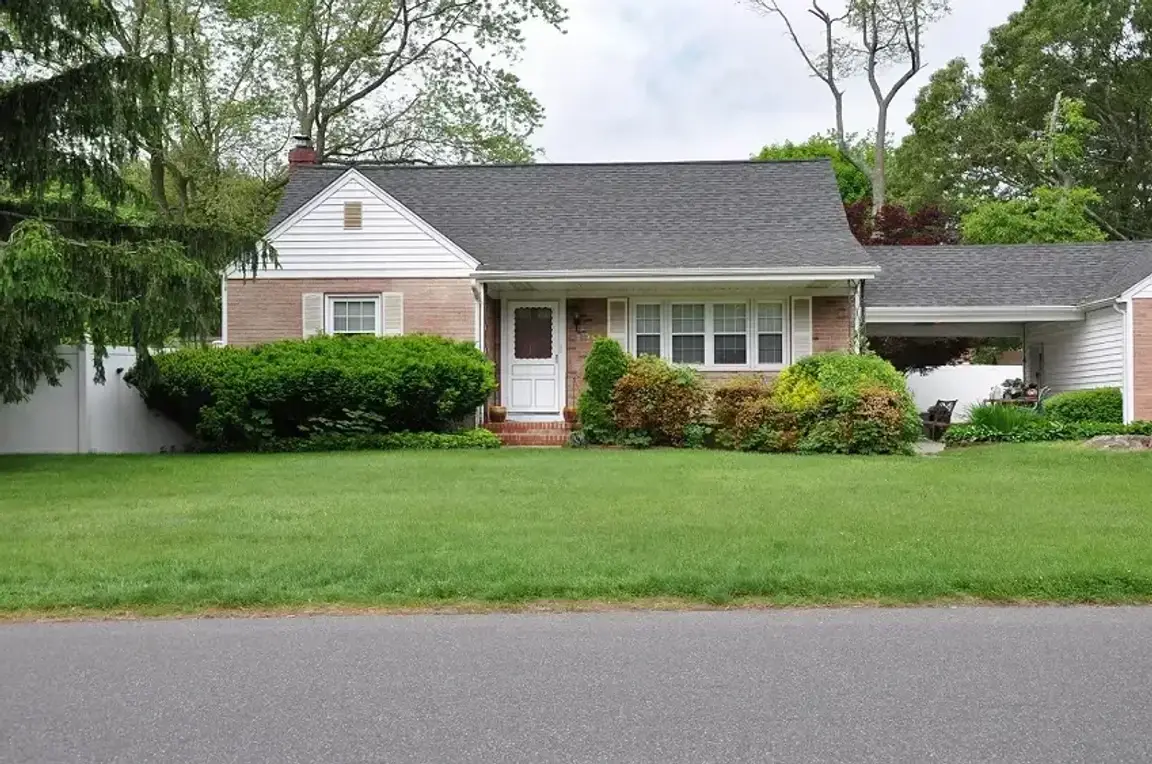
Yes, an inherited house in Elkins Park can often be sold before the entire estate is closed. However, the person signing the sale documents must have legal authority to act for the estate, and the property’s mortgage, liens, taxes, ownership records, and title must be addressed before settlement.
Inheriting a home can be emotionally and financially complicated. You may be sorting through belongings while paying insurance, utilities, property taxes, lawn care, and emergency repairs. The house may also be outdated, occupied, shared among several beneficiaries, or located far from where you live.

Property Buyer Today purchases inherited houses directly, but a cash sale is only one option. Depending on the property and estate, repairing and listing, listing as-is, renting, transferring the home to another beneficiary, or selling directly may produce a better result.
Quick Answer
You can sell an inherited house in Elkins Park once the estate has authority to transfer it. A cash buyer may remove repair, showing, appraisal, and buyer-financing delays, but cannot bypass probate or title requirements. Compare expected net proceeds, timing, obligations, and risks before accepting an offer.
Can You Sell Before Probate Is Finished?
Sometimes.
Probate establishes a will’s validity, appoints a personal representative, identifies estate assets and debts, and administers the estate. In Montgomery County, the Register of Wills handles probate and grants estate authority.
When there is a valid will, the appointed person is generally called an executor. Without a will, the court may appoint an administrator. Letters Testamentary or Letters of Administration provide evidence that the personal representative can act for the estate.
The Montgomery County Register of Wills explains that Letters Testamentary give an executor legal authority after a will is admitted to probate. Homeowners and estate representatives can review the county’s probate guidance for additional information.
The estate may be able to sell while probate remains open. Pennsylvania law generally gives a personal representative authority to sell estate property, subject to the will, statutory requirements, the form of the devise, bonding issues, and possible court involvement. The Pennsylvania General Assembly provides the applicable statutory guidance on estate administration.
A cash buyer may simplify the transaction, but no buyer can eliminate the authority, title, tax, or estate-administration steps required to transfer the property.
Who Has Authority to Sell the House?
The correct signer depends on how the property is owned and how it passes after death.
The seller may be:
- The executor named in a probated will
- A court-appointed administrator
- A surviving joint owner
- A trustee
- Beneficiaries who received title
- An authorized agent acting under valid authority
Do not assume every person named in the will must sign, or that the executor can always sell without considering the beneficiaries.
The answer depends on the deed, will, whether the property was specifically left to someone, whether title has passed, the representative’s powers, estate debts, and court orders. A Pennsylvania estate attorney or settlement company should confirm the required sellers before the house is listed.
Elkins Park and Montgomery County Considerations
Elkins Park is part of the northern Philadelphia suburbs. An inherited property there may involve Montgomery County estate records, township requirements, local taxes, and municipal concerns.
Before marketing the house, confirm:
- The legal owner shown on the deed
- The municipality and parcel information
- Whether property taxes and municipal balances are current
- Whether there are open permits or code notices
- Whether the house is occupied
- Whether insurance covers a vacant or estate-owned home
- Whether a mortgage, judgment, tax claim, or lien affects title
An older Elkins Park home may also need cleanout, electrical work, roof repairs, moisture treatment, heating updates, or cosmetic work. These issues do not prevent a sale, but they can affect pricing, financing, insurance, inspections, and the best selling path.
Your Main Selling Options
There is no single selling method that works for every inherited property.
| Option | Often best when | Main benefit | Main limitation |
|---|---|---|---|
| Repair and list | The estate has time and renovation funds | Broad exposure and potentially higher price | Repairs, showings, inspections, and financing |
| List as-is | Market exposure matters but major work is unwanted | Reaches retail buyers and investors | Buyers may inspect, renegotiate, or face appraisal issues |
| Sell directly as-is | Speed, convenience, or condition is the priority | Fewer preparation and financing requirements | Offer may be below repaired retail value |
| Rent the property | Beneficiaries want income and can manage it | Retains the asset | Repairs, vacancies, tenants, and management |
| Transfer or buy out an heir | One beneficiary wants the home | Preserves family ownership | Requires valuation, financing, and agreement |
| Delay the sale | Authority or title is incomplete | Allows time to resolve legal issues | Carrying costs continue |
Repair and List When the Numbers Support It
A traditional listing may be strongest when the house is marketable, the estate can afford preparation, and there is no strict deadline.
Before renovating, obtain written estimates and ask a local agent for projected net sheets for both a repaired listing and an as-is listing. Focus on repairs that improve safety, financing eligibility, or likely net proceeds.
Do not spend estate funds on expensive cosmetic updates without first determining whether they are likely to produce an equal or greater increase in the home’s value.
List As-Is for Broader Exposure
An as-is listing lets the estate market the property without agreeing to complete normal repairs.
The buyer may still inspect the property, request a price adjustment, or cancel under the purchase agreement. A financed buyer may also face appraisal, insurance, or lender-condition requirements.
The guide to selling a house as-is in Pennsylvania explains how inspections, pricing, property condition, and buyer financing can affect this option.
Consider a Direct Buyer When Simplicity Matters
A local property buyer may help when the inherited house:
- Needs major repairs
- Contains unwanted belongings
- Is vacant
- Has become difficult to maintain
- Has out-of-state beneficiaries
- Cannot be prepared for repeated showings
- Is creating ongoing estate expenses
A cash transaction removes the buyer’s mortgage contingency, but it does not remove probate, title, tax, ownership, or lien issues.
Property Buyer Today explains its evaluation and closing process on its How It Works page. Homeowners should still compare the offer with other available options and review the actual purchase agreement carefully.
How to Sell an Inherited House Fast in Elkins Park
1. Confirm the Estate’s Authority
Locate the will, death certificate, deed, trust documents, and probate filings.
When probate is required, confirm whether Letters Testamentary or Letters of Administration have been issued. If the property passed through a trust, joint ownership, or another arrangement, ask a qualified professional who has authority to sign.
2. Review the Deed and Title
A settlement company can search for:
- Mortgages
- Tax claims
- Judgments
- Home-equity loans
- Ownership discrepancies
- Unreleased liens
- Municipal balances
- Other title defects
Finding these issues early reduces the risk of discovering an unexpected problem shortly before closing.
3. Protect the Property
Keep appropriate insurance in place and notify the insurer if the house is vacant or no longer owner-occupied.
Arrange for someone to inspect the property, collect mail, maintain the exterior, monitor utilities, and respond to leaks, storm damage, frozen pipes, pests, or unauthorized entry.
Do not assume the deceased owner’s existing insurance automatically provides appropriate coverage after the property becomes vacant or estate-owned.
4. Handle the Belongings Carefully
Separate personal documents, valuables, family photographs, specifically devised items, and property belonging to the estate.
The remaining contents may be:
- Distributed among beneficiaries
- Donated
- Sold through an estate sale
- Removed by a cleanout company
- Left under a written agreement with an as-is buyer
Document decisions when several beneficiaries are involved. Disposing of property without proper communication can create disagreements or claims later.
5. Estimate the Property’s Current Value
Compare more than one source of information, which may include:
- A local agent’s market analysis
- An independent appraisal
- Recent comparable sales
- Written repair estimates
- An as-is listing estimate
- Direct cash offers
An automated online estimate may not accurately reflect condition, occupancy, deferred maintenance, unusual architecture, or estate-sale terms.
6. Compare Net Proceeds
A higher selling price does not always create the best financial result.
Use the following framework:
Expected sale price
minus mortgage and lien payoffs
minus repairs and cleanout
minus taxes, insurance, and utilities
minus selling and settlement expenses
equals estimated net proceeds
A repaired listing may provide more money but require months of work and coordination. A direct offer may be lower but reduce carrying costs, uncertainty, and seller responsibilities.
For broader guidance, read How to Sell an Inherited House Fast in Pennsylvania and the step-by-step guide to selling a house fast in Pennsylvania.
7. Review the Purchase Agreement
Before signing, understand:
- The purchase price
- Earnest-money deposit
- Inspection rights
- Financing and appraisal contingencies
- Assignment language
- Repair and cleanout obligations
- Closing-cost responsibilities
- Settlement date
- Cancellation rights
- What happens if the buyer does not close
Ask whether the buyer will purchase the property directly or assign the agreement to another investor. A settlement company or Pennsylvania attorney can help explain unclear terms.
8. Coordinate Settlement and Estate Accounting
The settlement company generally obtains payoff figures, prepares closing documents, addresses title requirements, and distributes proceeds according to the approved settlement statement.
The personal representative must also maintain accurate estate records. Sale proceeds may remain subject to debts, taxes, administration expenses, beneficiary distributions, and accounting requirements.
Pennsylvania Inheritance Tax and Capital-Gains Considerations
Selling an inherited property can involve more than one tax issue.
Pennsylvania Inheritance Tax
Pennsylvania inheritance tax applies to certain transfers from a deceased person. The rate depends on the beneficiary’s relationship to the decedent.
Current state guidance lists:
- 0% for transfers to a surviving spouse and certain transfers from a child aged 21 or younger to a parent
- 4.5% for direct descendants and lineal heirs
- 12% for siblings
- 15% for other heirs, subject to exemptions
The tax should not be estimated only from the property’s sale price because deductions, ownership, valuation, and other factors can affect the return.
Review the Pennsylvania Department of Revenue’s inheritance-tax guidance and speak with an estate attorney or tax professional about the specific estate.
Tax Basis and Capital Gain
Inherited property generally receives a tax basis tied to its fair market value at the owner’s date of death or an approved alternate valuation date. The difference between that basis and the later net sale price can affect the taxable gain or loss.
The IRS provides guidance on selling a home and determining the basis of inherited property.
Obtain a reliable date-of-death valuation and keep records of expenses, improvements, estate costs, and closing documents. Consult a qualified tax professional rather than relying on a general online estimate.
What If Several Heirs Disagree?
Disagreement does not always prevent a sale, but it can delay the estate and increase expenses.
First confirm:
- Who currently owns the property
- Whether the personal representative can sell
- Whether the house was specifically devised
- Whether one beneficiary wants to keep it
- Whether the estate needs proceeds to pay debts
Possible solutions include:
- One beneficiary buying out the others
- Selling and dividing the net proceeds
- Using other estate assets to balance distributions
- Mediation
- Seeking court guidance
- A partition action after title passes to co-owners
Do not rely on the broad statement that all heirs must agree. Required approvals depend on the estate documents, title, and Pennsylvania law.
What an Elkins Park Inherited-Home Sale Could Look Like
This is an illustrative example, not an actual customer case or property valuation.
Three adult children inherit an older Elkins Park home. The executor lives in Maryland, one beneficiary wants the highest possible price, and another wants to resolve the property quickly.
The house needs roof work, electrical updates, painting, and cleanout. The estate is also paying insurance, utilities, taxes, and lawn care.
The family obtains a repaired-value estimate, an as-is listing estimate, contractor quotes, a cleanout estimate, and a direct offer.
The repaired listing has the highest projected price but requires estate funds and months of coordination. The as-is listing offers broader exposure with less preparation. The direct offer is lower but avoids renovations and repeated showings.
The family should compare net proceeds, timing, responsibilities, and likelihood of closing—not simply choose the highest initial number.
Common Mistakes to Avoid
Marketing Before Confirming Authority
An accepted offer cannot solve missing estate authority. Confirm who can legally sign before marketing the property.
Assuming Cash Bypasses Probate
Cash removes buyer financing. It does not remove estate, deed, title, or tax requirements.
Renovating Without a Net-Proceeds Analysis
Major improvements can consume estate funds without creating an equal increase in value.
Letting Insurance Lapse
Vacancy or a change in occupancy can affect coverage. Tell the insurer what has changed.
Discarding Property Too Quickly
Belongings may have financial, sentimental, or legal significance. Follow the will and document distributions.
Accepting the First Offer Without Comparing Terms
Review the price, deposit, contingencies, assignment rights, closing expenses, and buyer’s ability to perform.
Frequently Asked Questions
Can I sell an inherited house before probate ends in Pennsylvania?
Possibly. The estate may sell after the personal representative receives proper authority, even though other estate work remains.
Who can sell an inherited house in Elkins Park?
The seller may be an executor, administrator, trustee, surviving owner, or beneficiary with title. The deed and estate documents determine who must sign.
Do all heirs have to agree?
Not always. The answer depends on ownership, the will, the representative’s powers, and whether the property was specifically devised.
Can I sell the house from another state?
Yes. Many decisions and documents can be handled remotely. Confirm signing, notarization, access, and settlement requirements early.
Do I need to repair the property first?
No. You can repair and list, list as-is, or sell directly in its current condition.
Can an inherited house with a mortgage be sold?
Yes. The mortgage is generally paid from the sale proceeds. Other liens and estate obligations may also need to be resolved.
What taxes may apply?
Pennsylvania inheritance tax and federal or state income-tax considerations may apply. The result depends on the beneficiary, valuation, basis, expenses, and estate circumstances.
How fast can an inherited Elkins Park house close?
The timeline depends on estate authority, title, liens, taxes, occupancy, financing, and contract terms. Cash removes financing delays but cannot guarantee an immediate closing.
Is a Cash Sale Better Than Listing?
A cash sale may suit sellers prioritizing speed, convenience, or an as-is transaction. Listing may be better when the property is market-ready and maximizing exposure matters most.
Choose the Option That Best Serves the Estate
Selling quickly can reduce carrying costs and management responsibilities, but speed should not come at the expense of legal authority, accurate pricing, or careful contract review.
First confirm who can sell. Then review the title, estimate the property’s value, compare net proceeds, and discuss tax and estate questions with qualified professionals.
If an as-is sale would help the estate avoid repairs, cleanout, and repeated showings, Property Buyer Today can evaluate the Elkins Park home and provide a local cash offer for comparison. There is no obligation to accept it.
Learn more about selling an inherited property, explore the company’s Pennsylvania cash home-buying service, or review the direct-sale process.
Disclaimer: This article provides general educational information and is not legal, tax, accounting, or financial advice. Probate authority, title requirements, tax treatment, estate obligations, and closing timelines vary. Consult a Pennsylvania estate attorney, tax professional, and qualified title or settlement provider about the specific property and estate.