
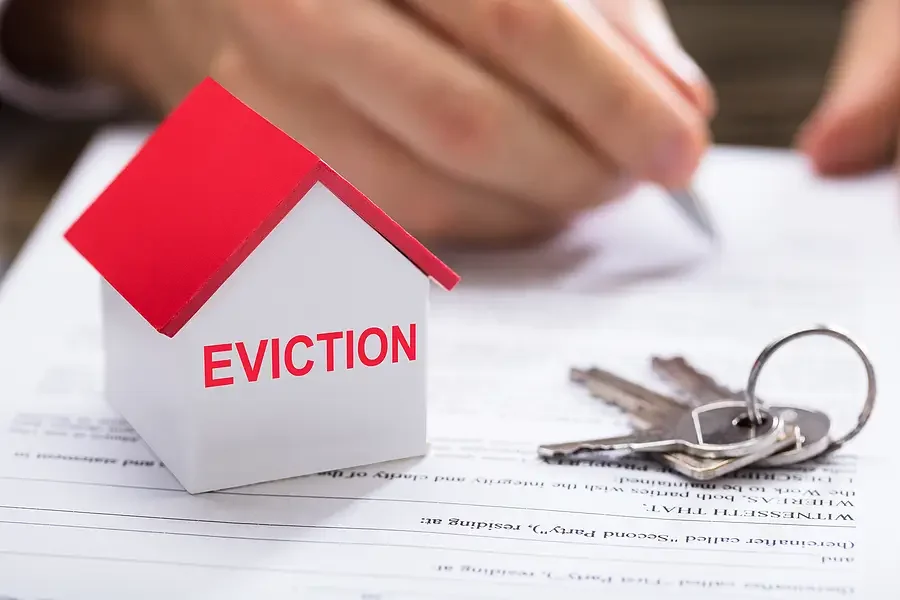
You may be ready to sell the rental, but the tenant is still living there and the eviction case is unfinished. That creates several questions at once: Can you transfer the property now? What happens to the lease and security deposit? Who handles the pending court case? Must the home be vacant before closing?
Property Buyer Today prepared this guide for Abington landlords who need clear, practical answers. It explains what an active eviction changes and how to compare waiting, listing, negotiating a move-out, or selling the rental as-is.
Quick Answer
Selling a rental property during eviction in Abington, PA, may be possible, but the sale does not automatically remove the tenant or complete the eviction. The contract should address occupancy, possession, the lease, unpaid rent, security deposits, court filings, property access, and who will manage the case after closing.
Before signing an agreement, ask a Pennsylvania landlord-tenant attorney and settlement professional to review the facts. A local cash buyer may purchase an occupied property, but that does not replace the lawful eviction process.
Important: This article provides general education, not legal, tax, or financial advice. Requirements can depend on the lease, notices, court history, title, tenant claims, and property condition.
What an Active Eviction Changes
Selling a vacant house is mainly a property and title transaction. Selling during eviction also involves an unresolved right-of-possession issue.
The buyer may receive:
- A tenant-occupied property under an active lease
- A property with a landlord-tenant complaint pending
- A property after a possession judgment but before vacancy
- A rental with past-due rent or tenant claims
- A home with limited inspection access
- A rental needing repairs that cannot yet be fully evaluated
Pennsylvania’s Landlord and Tenant Act includes the state framework for seeking possession, including Notice to Quit provisions. Pennsylvania Courts also publishes official landlord-tenant forms, including the complaint and request for an order for possession. Exact steps vary with the lease and case history.
For broader guidance, read how to sell a house with tenants in Pennsylvania.
Selling Does Not Automatically End the Eviction
A deed transfer changes ownership. It does not necessarily determine when the tenant must leave or who can continue an existing court action.
Before closing, obtain legal guidance on:
- Whether the pending case can continue after ownership changes
- Whether another filing, assignment, or substitution is needed
- Who will attend future hearings
- Who owns any claim for unpaid rent
- Whether an appeal, stay, payment plan, or bankruptcy could delay possession
- What happens if the tenant remains after closing
Do not guarantee vacant possession based only on an expected court date. If vacancy is required, the agreement should explain what happens when possession is delayed.
Continue Respecting the Tenant’s Rights
An accepted offer does not allow the owner to bypass the lease or court process. Do not change locks, shut off essential services, remove possessions, or enter without the notice required by the lease and applicable law.
Pennsylvania legal-aid guidance identifies actions such as changing locks, blocking access, removing doors or windows, and shutting off utilities as forms of illegal self-help eviction.
The tenant may retain privacy and occupancy rights while the property is marketed. Arrange inspections and showings carefully, document communications, and avoid promising access you cannot legally provide.
What the Purchase Agreement Should Clarify
A standard purchase agreement may not fully address an occupied rental with an active eviction. The following points should be written clearly.
Occupancy and possession
State whether the property will be delivered vacant or occupied. If the buyer accepts the tenant, identify whether the lease remains in place and who will obtain possession.
Avoid wording such as “tenant should be out soon.”
The lease and rental records
Provide complete copies of the lease, amendments, renewals, notices, payment plans, rent ledger, repair requests, and relevant tenant correspondence.
Missing records make it harder for a buyer to evaluate the tenant situation and may reduce confidence in the transaction.
Past-due rent and court claims
Specify whether unpaid rent remains the seller’s claim, transfers to the buyer, is credited at settlement, or is handled another way.
The agreement should also address:
- Court costs
- Existing judgments
- Prepaid rent
- Utility balances
- Payment arrangements
- Tenant credits
The seller and buyer should not assume ownership of these claims will transfer automatically.
The security deposit
Record the deposit amount, where it is held, and how it will be treated at settlement. Pennsylvania law regulates residential security deposits and requires landlords to follow specific accounting rules after a lease ends or possession is surrendered.
Because a sale can overlap with the tenancy, let the attorney and settlement company document any transfer, credit, deduction, or continuing responsibility properly.
Property access and condition
If the buyer has not fully inspected the home, the agreement should acknowledge that limitation.
Disclose known concerns as required, including:
- Roof leaks
- Plumbing problems
- Outdated electrical systems
- Heating issues
- Basement moisture
- Structural movement
- Pest damage
- Code notices
- Tenant-related damage
Limited access creates uncertainty. A buyer may still proceed, but the offer will often reflect the risk of discovering additional problems after closing.
Responsibility after closing
State who will handle future notices, hearings, legal fees, tenant communication, abandoned belongings, property access, repairs, and obtaining possession.
A buyer may accept these duties, but the added uncertainty will usually influence the offer.
Abington Checks to Complete Before Selling
Abington Township states that it does not require a use and occupancy permit for residential, non-business property sales. Buyers are responsible for the inspections they choose to obtain. Permit, code, and municipal issues can still matter.
Before choosing a sale path, check for:
- Open or expired permits
- Work completed without required approval
- Property-maintenance or code-enforcement notices
- Sewer or municipal balances
- Unfinished electrical, plumbing, roofing, or structural work
- Repairs that may require permits or inspections
- Vacant-property requirements if the tenant leaves
Owners can review Abington Township’s residential applications and forms or contact the appropriate Township department about a specific property.
If condition is a major concern, see how to sell a rental property as-is in Abington, PA.
Your Main Selling Options
| Option | Best fit when | Main benefit | Main limitation |
|---|---|---|---|
| Finish the eviction, repair, and list | You have sufficient time and funds | A vacant, improved home may attract more buyers | More legal, repair, and holding costs |
| Negotiate a voluntary move-out | The tenant is willing to cooperate | May create a clearer vacancy date | Requires a carefully written agreement |
| Sell with the lease in place | The tenant pays reliably | Another landlord receives an operating rental | Less suitable when serious defaults exist |
| List the property as-is | You want MLS exposure | Investors can compete for the property | Access and financing may remain difficult |
| Sell directly during eviction | You want to stop managing the uncertainty | A buyer may accept it occupied and as-is | The offer may reflect possession and repair risk |
When completing the eviction may be better
Waiting may make sense when you can afford the expenses, the property should show well after vacancy, and the expected improvement in net proceeds justifies the delay.
A vacant home is usually easier to inspect, clean, repair, photograph, appraise, and finance. It may also attract owner-occupants who would not consider purchasing a property with an unresolved tenant issue.
When a negotiated move-out may be better
A voluntary surrender agreement, sometimes called cash for keys, may establish a clearer move-out plan without continuing a contested case.
Have an attorney prepare or review the agreement. It should address:
- Payment timing
- The move-out deadline
- Keys and access devices
- Tenant belongings
- Property condition
- Cleaning expectations
- What happens if either party does not perform
Do not make payment based only on a verbal promise that the tenant will leave.
When a direct as-is sale may be better
A direct sale may be practical when unpaid rent, property damage, limited access, legal expenses, or deferred maintenance are creating a growing burden.
The tradeoff is price. Compare the direct offer with the realistic amount you would keep after waiting, repairs, agent commissions, buyer concessions, legal costs, and additional holding expenses.
A Practical Step-by-Step Selling Process
1. Build a complete property file
Collect the:
- Deed
- Mortgage statement
- Property tax information
- Lease and amendments
- Security-deposit records
- Rent ledger
- Notices
- Court filings
- Repair history
- Permit records
- Insurance information
- Tenant communications
Organized records help the buyer, attorney, agent, and settlement company understand the situation without guessing.
2. Confirm the exact court status
Identify what has been filed, which orders have been entered, and which dates are scheduled next.
Pennsylvania Courts provides public forms and landlord-tenant resources, but an attorney should explain how those rules apply to your specific case.
Do not assume that receiving a judgment guarantees immediate physical possession of the property.
3. Review title and local records
Ask a settlement company to search for:
- Mortgages
- Judgments
- Tax claims
- Municipal liens
- Ownership issues
- Other title defects
You can also review Montgomery County’s public property records for basic recorded property information.
Contact Abington Township separately about known permits, code notices, sewer balances, or property-maintenance concerns.
4. Calculate the cost of waiting
Include more than the mortgage payment. Consider:
- Property taxes
- Landlord insurance
- Utilities
- Exterior maintenance
- Legal and court expenses
- Lost rental income
- Cleaning costs
- Repair expenses
- Agent commission
- Buyer-requested credits
- Further damage or vacancy risk
The highest sale price does not always produce the highest net proceeds.
5. Compare realistic sale paths
Ask a local real estate agent what the property could reasonably sell for after vacancy and necessary repairs. Then compare that estimate with one or more written as-is offers.
Review:
- Estimated net proceeds
- Inspection rights
- Financing contingencies
- Earnest money
- Closing expenses
- Possession requirements
- Proof of funds
- Assignment rights
- Cancellation clauses
Do not compare only the advertised sale price.
6. Question direct buyers carefully
Before accepting an offer, ask:
- Are you buying the property yourself or assigning the contract?
- Can you provide current proof of funds?
- Is the offer conditional on the tenant leaving?
- Who handles the eviction after closing?
- Can the price change following an inspection?
- Who pays settlement and transfer expenses?
- How will the security deposit be handled?
- What happens if the tenant remains at closing?
- Can my attorney review the agreement?
When Property Buyer Today reviews an Abington rental, our team considers its present condition, tenant situation, title concerns, and the owner’s preferred timeline. You can compare the offer with listing, waiting, or working with another buyer.
7. Put every promise in writing
Do not rely on statements such as “we will handle everything.”
The signed documents should address:
- Occupancy
- Possession
- Court responsibility
- Security deposits
- Unpaid rent
- Tenant belongings
- Inspection access
- Settlement costs
- Closing conditions
Example: An Abington Twin With an Unfinished Eviction
Consider an owner with an older twin near Roslyn. The tenant is behind on rent, a landlord-tenant complaint has been filed, and access is limited. The owner also expects roof and electrical work after vacancy.
Finishing the eviction and renovating may produce a higher retail price. However, the owner would continue paying taxes, insurance, utilities, legal costs, and maintenance without reliable rental income.
The complete repair budget may also remain unknown until possession is recovered.
A local property buyer offers to purchase the rental as-is while the eviction remains unresolved. The offer is below the projected repaired value, but the owner would avoid renovations, repeated showings, buyer financing, and additional holding risk.
The better choice depends on:
- Expected net proceeds
- Available cash
- Legal position
- Repair requirements
- Tolerance for delay
- The likelihood of achieving the expected retail price
Neither path is automatically right for every landlord.
Common Mistakes to Avoid
Promising vacancy too early
A hearing date or possession judgment is not the same as confirmed vacancy. A delayed move-out could create a contract dispute or postpone closing.
Hiding the tenant or court problem
Give the buyer, agent, attorney, and settlement company accurate information. A late surprise can derail inspections, financing, title work, or settlement.
Attempting a self-help eviction
Do not change locks, remove belongings, shut off utilities, or pressure the tenant outside the lawful process.
Spending heavily before gaining access
Do not approve major renovations based on assumptions. The full condition may not be known until the property can be inspected safely.
Accepting an unclear cash contract
Look beyond the headline price. Broad cancellation rights, assignment language, weak earnest money, or post-inspection reductions can make an offer less reliable.
Frequently Asked Questions About Selling an Abington Rental During Eviction
Can a buyer purchase my Abington rental while the eviction is pending?
Yes, a buyer may purchase it before the eviction is resolved. The contract should state whether the tenant remains, who handles the court case, and whether vacant possession is required.
Who handles the eviction after the property is sold?
That depends on the contract and court status. A Pennsylvania attorney should clarify whether the current action can continue and what additional filings may be required after ownership changes.
Will an active eviction reduce the property’s value?
It may reduce the available buyer pool and increase uncertainty. An investor’s offer may account for unpaid rent, legal costs, limited access, repairs, and the risk involved in obtaining possession.
Can I show the property during the eviction?
Possibly, but you must follow the lease and applicable entry requirements. An active eviction does not automatically remove the tenant’s privacy or occupancy rights.
What documents should I prepare before selling?
Gather the lease, rent ledger, security-deposit records, notices, court filings, tenant correspondence, repair history, permits, code notices, and property expense information.
Can I sell if the tenant refuses access?
A sale may still be possible, but limited access can affect inspections, financing, and the offer. Never promise access you cannot lawfully provide.
Is it better to finish the eviction or sell the property as-is?
Finishing first may attract more buyers. Selling as-is may be more practical when unpaid rent, repairs, legal expenses, holding costs, or landlord stress outweigh the potential benefit of waiting.
What should I ask a cash buyer before accepting an offer?
Ask about proof of funds, inspection terms, assignment rights, cancellation clauses, closing costs, responsibility for the tenant, deposit handling, and what happens if the tenant remains at closing.
Compare an As-Is Offer With Your Other Options
Property Buyer Today works with property owners in Abington and surrounding Montgomery County communities. A direct sale is not automatically the best choice. A well-maintained property delivered vacant may perform better through a traditional listing.
When an active eviction, unpaid rent, difficult access, damage, or deferred maintenance makes a conventional sale harder, a local cash offer can provide another option.
Review how the direct-sale process works or request a no-obligation property review. Compare the price, expenses, responsibilities, and timeline before deciding what is right for you.