
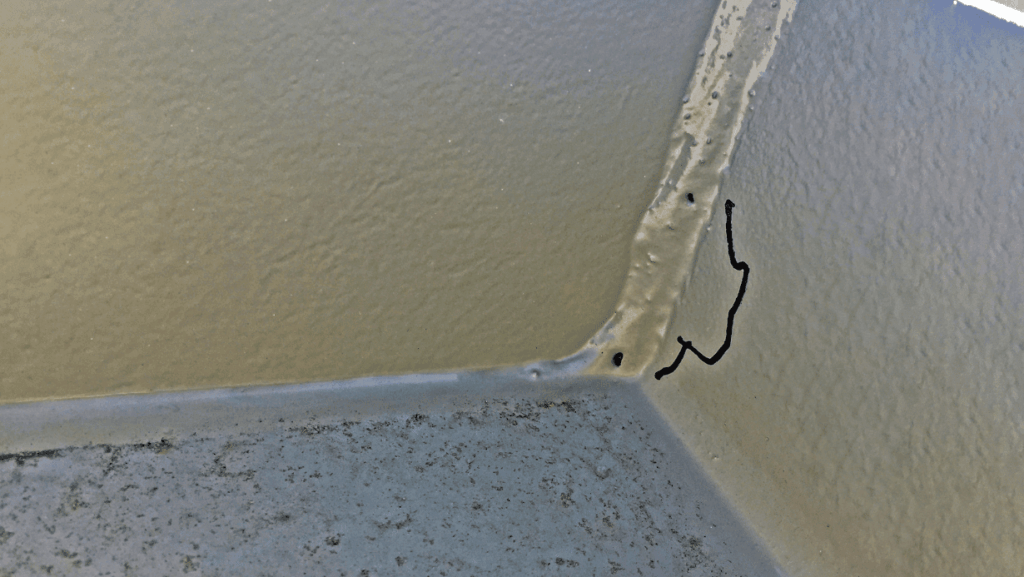
Finding foundation cracks, bowed basement walls, damaged floor joists, or other structural problems can make selling a home feel overwhelming. You may be worried about repair costs, Pennsylvania disclosure rules, buyer inspections, mortgage approval, or whether the property can be sold at all.
The good news is that structural damage does not automatically make an Abington property unsellable. Homeowners may repair the problem, list the house in its current condition, or sell directly to a buyer who is prepared to take responsibility for the work.
Property Buyer Today created this guide to help Abington homeowners understand those options before choosing a selling method. The goal is not simply to sell quickly. It is to compare the likely cost, risk, timeline, and net proceeds of each available path.
Quick Answer: Can You Sell a House With Structural Damage in Abington, PA?
Yes. You can sell a house with structural damage in Abington, PA by repairing it before listing, marketing it as-is, or selling directly to a cash home buyer. Known material defects generally still need to be disclosed, and the property’s condition may affect its price, financing eligibility, inspection results, and buyer pool.
Property Buyer Today may also review a damaged property in its present condition and provide a no-obligation cash offer that the homeowner can compare with repairing or listing the house.
What Counts as Structural Damage?
Structural damage affects the components that support the home, distribute its weight, or protect its stability. It is different from cosmetic wear such as outdated cabinets, worn flooring, peeling paint, or damaged trim.
Possible signs include:
- Wide, horizontal, or expanding foundation cracks
- Bowed or leaning basement walls
- Uneven or sloping floors
- Sagging ceilings or rooflines
- Damaged beams, posts, or floor joists
- Separation between walls, ceilings, and floors
- Doors and windows that suddenly stick
- Cracks above windows or door openings
- Termite or rot damage in structural framing
- Foundation settlement or movement
- Water intrusion that has weakened masonry or wood
- An addition, porch, deck, or retaining wall that appears unstable
Not every crack means that the home has a serious structural problem. Small cracks can result from ordinary settling, shrinkage, or changes in building materials. A qualified structural engineer can help determine whether the damage is cosmetic, localized, or part of a larger stability concern.
How Different Structural Problems Can Affect a Sale
Different defects create different repair, financing, and disclosure concerns. Understanding the type of damage can help you avoid treating every problem as if it requires the same solution.
| Structural problem | Common concern during a sale |
|---|---|
| Horizontal foundation cracks | May indicate soil pressure or movement against a foundation wall |
| Bowed basement walls | Stabilization, reinforcement, or drainage work may be needed |
| Sloping or uneven floors | Could involve joists, settlement, support columns, or older construction |
| Termite-damaged framing | The full extent may remain hidden until walls or flooring are opened |
| Water-damaged joists | The moisture source must usually be addressed as well as the damaged wood |
| Sagging roofline | May involve rafters, trusses, framing, or prolonged roof leakage |
| Unsafe addition | Buyers may question structural support, permits, and code compliance |
| Cracked masonry or stone | May be cosmetic, moisture-related, or connected to foundation movement |
| Failing retaining wall | Could affect drainage, soil stability, or nearby structures |
| Damaged porch or deck supports | Safety concerns may affect inspections, insurance, or financing |
An engineer’s opinion can be especially useful when contractors disagree or when visible symptoms could have more than one cause.
Why Structural Damage Can Complicate a Traditional Sale
A structurally damaged home can still be listed, but the condition may create additional obstacles.
Traditional buyers often depend on a mortgage. Their lender or insurer may raise concerns if the property has a failing foundation, unsafe framing, significant water intrusion, an unstable addition, or another condition that affects safety or habitability.
The damage may influence:
- The property’s as-is value
- Buyer confidence
- Home-inspection negotiations
- Appraisal results
- Mortgage approval
- Insurance availability
- The number of eligible buyers
- Repair-credit requests
- Contract cancellation risk
- The time required to reach settlement
A buyer may initially accept an as-is listing and still cancel after reviewing an inspection report. The words “as-is” usually mean that the seller is not promising repairs; they do not necessarily prevent inspections, negotiations, contingencies, or disclosure obligations.
Homeowners considering this route can also review the guide to selling a house as-is in Pennsylvania.
Pennsylvania Disclosure Rules for Structural Problems
Selling a property as-is does not mean that known problems can be hidden.
Under the official Pennsylvania Real Estate Seller Disclosure Law, a seller generally must disclose known material defects to the buyer before the agreement of transfer is signed.
Pennsylvania’s official Seller’s Property Disclosure Statement explains that sellers must disclose known material defects that are not readily observable.
Depending on the circumstances, relevant information may include:
- Known foundation movement
- Bowed walls
- Damaged beams or joists
- Previous engineering evaluations
- Recurring basement water intrusion
- Termite or wood-destroying insect damage
- Roof or framing failure
- Unpermitted structural alterations
- Unsafe additions
- Previous structural repairs
- Open permits or municipal notices
Gather any documents that help explain the property, including engineering reports, inspection reports, repair estimates, invoices, warranties, permits, insurance records, code notices, and photographs.
Do not guess about the cause or severity of a defect. Describe what you know and consult a Pennsylvania real estate attorney or qualified real estate professional when you are unsure about your obligations.
This article provides general homeowner education and is not legal, engineering, tax, or financial advice.
Common Structural Concerns in Abington-Area Homes
Abington Township and nearby communities contain a mix of older stone and brick homes, twins, detached single-family houses, Cape Cods, ranch homes, rental properties, and houses that have been expanded over time.
In communities such as Glenside, Roslyn, Willow Grove, Elkins Park, and areas near Jenkintown, homeowners may encounter properties with:
- Masonry or stone foundation walls
- Older basements or crawlspaces
- Floor systems altered during past renovations
- Porches or additions built at different times
- Finished basements that conceal earlier repairs
- Aging drainage systems
- Grading that directs water toward the foundation
- Deteriorated mortar or masonry
- Long-term basement seepage
- Older support posts or beams
- Unpermitted renovations completed by a previous owner
Water and drainage problems deserve particular attention. A damp basement may not be only a moisture problem. Long-term seepage can contribute to damaged framing, deteriorated masonry, mold, corrosion, or pressure against foundation walls.
That does not mean every older Abington home has structural damage. Older stone, brick, and twin homes can remain solid for generations when they are maintained properly. The important step is identifying the actual cause rather than assuming that age alone makes the structure unsafe.
Abington Township Permits Versus Montgomery County Property Records
Township and county records serve different purposes.
Abington Township permits and code questions
Abington Township states on its Residential Applications and Forms page that it does not require a use-and-occupancy permit for residential, non-business properties. Buyers are responsible for any inspections they choose to conduct.
However, this does not mean structural work can always be completed without municipal approval. Repairs involving foundations, framing, additions, load-bearing components, retaining walls, electrical work, plumbing, or other regulated work may require permits or inspections.
The township’s Community Development Department administers building, plumbing, electrical, mechanical, property-maintenance, and zoning ordinances. Homeowners can contact Code Enforcement at 267-536-1000, prompt 4, to ask about:
- Building-permit requirements
- Previous or open permits
- Required plans or engineering documents
- Inspection requirements
- Property-maintenance notices
- Unpermitted alterations
- Questions involving additions or structural repairs
The township’s permit application page also provides current application information.
Montgomery County deed and property information
The township does not maintain every record involved in ownership and title. Montgomery County property resources may provide information about parcels, assessments, ownership, and recorded property data.
Homeowners can use the county’s Property Records Search to review available parcel and assessment information.
A settlement or title company performs a different and more detailed review. It may examine the deed, mortgages, liens, judgments, tax claims, estate issues, and other recorded matters that could affect closing.
A permit record and a deed record are not the same thing:
- Township records generally relate to permits, zoning, inspections, and code matters.
- County property records generally relate to parcel and assessment information.
- Recorder of Deeds and title records relate to ownership and recorded interests in the property.
- A title search identifies issues that may need to be cleared before ownership can transfer.
Three Ways to Sell a Structurally Damaged House
Option 1: Repair the Damage Before Listing
Completing the repairs may attract more traditional buyers and reduce financing concerns. It may also support a higher listing price.
Repairing first may make sense when:
- The damage has a clear and affordable solution.
- You can fund the work without financial strain.
- You have time to manage contractors and permits.
- The repair is likely to expand the buyer pool significantly.
- The expected increase in net proceeds justifies the risk.
The main limitation is uncertainty. Opening walls or beginning foundation work may expose additional moisture damage, termite activity, deteriorated framing, electrical problems, or plumbing issues.
Option 2: List the House As-Is
An as-is listing gives the property exposure on the open market without promising to complete the repairs.
This may be appropriate when the property is in a desirable location and you are willing to wait for a contractor, landlord, investor, or renovation buyer.
However, an as-is buyer may still:
- Order a home inspection
- Request an engineer’s report
- Ask for a price reduction
- Request a repair credit
- Cancel under an inspection contingency
- Experience appraisal or mortgage problems
The open market may produce competing offers, but the timeline and final net proceeds may remain uncertain.
Option 3: Sell Directly to a Cash Home Buyer
A direct cash sale may be useful when repairs are extensive, the home may not qualify for conventional financing, or the owner does not want to manage construction.
A local property buyer will normally consider:
- The home’s current condition
- Comparable sales
- Estimated structural repairs
- Related water, roof, electrical, or interior damage
- Cleanup requirements
- Permit or code concerns
- Potential value after repairs
- Holding and resale costs
- The risk of hidden damage
A cash offer will normally be lower than the potential retail price of a fully repaired property. The relevant question is whether the convenience and avoided costs create an acceptable net result for the seller.
Compare Your Estimated Net Proceeds
Do not compare a cash offer only with the asking price of a renovated house nearby. That comparison ignores the money and time required to turn your property into a renovated home.
Use this basic formula:
Estimated traditional-sale proceeds = expected sale price − structural repairs − related repairs − agent commission − seller concessions − closing costs − holding costs
Holding costs may include:
- Mortgage payments
- Property taxes
- Insurance
- Utilities
- Lawn care
- Snow removal
- Security or monitoring
- Temporary housing
- Travel to manage an inherited or vacant property
Then compare the estimated traditional-sale proceeds with the net amount from an as-is listing or direct cash offer.
For more detail, see how to price a house with major repairs in Pennsylvania.
Example Net-Proceeds Comparison
Suppose a repaired Abington home could potentially sell for $400,000.
| Item | Example amount |
|---|---|
| Expected repaired sale price | $400,000 |
| Structural and drainage repairs | −$55,000 |
| Interior restoration | −$15,000 |
| Agent commission and selling expenses | −$24,000 |
| Seller concession | −$5,000 |
| Six months of holding costs | −$12,000 |
| Estimated traditional-sale proceeds | $289,000 |
This does not mean the property is worth exactly $289,000 as-is. It shows why a $400,000 repaired value should not be treated as $400,000 in the seller’s pocket.
Actual expenses and proceeds depend on the property, contract, repair scope, market, title condition, and selling method.
Repair-or-Sell Decision Checklist
Before paying for major structural work, ask:
- Has a structural engineer confirmed the damage?
- Do I understand the cause, not only the visible symptom?
- Can I afford the repairs without creating financial stress?
- Are the estimates detailed and in writing?
- Could hidden damage increase the final cost?
- Are permits, plans, or inspections required?
- How long will engineering, permitting, and construction take?
- Will completing the repair materially expand the buyer pool?
- Will the repaired home likely qualify for more financing options?
- What will I pay in taxes, insurance, utilities, and mortgage costs while waiting?
- What are my estimated net proceeds after every expense?
- Would an as-is sale provide a better balance of money, time, and certainty?
Repairing may be worthwhile when the issue is limited and the expected return clearly exceeds the cost. Selling as-is may be more practical when the work is extensive, uncertain, or difficult to manage.
Step-by-Step Process for Selling the Property
Step 1: Document What You Know
Make a list of visible problems and gather prior reports, estimates, repair invoices, permits, photographs, and insurance documents.
Avoid calling a crack harmless or dangerous unless a qualified professional has evaluated it.
Step 2: Consider an Independent Structural Evaluation
An engineer can help identify whether the issue involves settling, soil pressure, water, drainage, joists, beams, framing, masonry, or another cause.
The report may also help contractors prepare more accurate estimates.
Step 3: Obtain Detailed Repair Estimates
Ask contractors to explain:
- The exact scope of work
- What is excluded
- Whether drainage work is included
- Who will obtain permits
- Whether engineering plans are required
- Whether interior restoration is included
- What could cause the price to increase
- Whether the repair includes a transferable warranty
Step 4: Check Municipal and Property Records
Contact Abington Township when the issue may involve permits, previous alterations, additions, inspections, or code notices.
Provide relevant ownership and property documents to the settlement company when you are ready to sell.
Step 5: Compare More Than One Selling Method
Request a traditional-sale estimate from a knowledgeable local agent and compare it with one or more reputable as-is offers.
Ask each party to explain the likely costs, contingencies, and timeline.
Step 6: Review the Whole Offer
Do not evaluate an offer only by its headline price. Confirm:
- Inspection rights
- Financing or appraisal contingencies
- Deposit amount
- Closing date
- Closing-cost responsibility
- Repair requirements
- Personal-property removal requirements
- Assignment rights
- Cancellation terms
- Whether the buyer is purchasing directly
Step 7: Complete Title Work and Settlement
After a contract is signed, a settlement or title professional will review ownership and recorded title matters, prepare documents, coordinate required payoffs, and arrange the transfer.
Exact timing can vary when there are liens, estate issues, judgments, ownership disputes, unpaid taxes, municipal concerns, or missing documents.
What to Expect From Property Buyer Today
For homeowners who do not want to complete structural repairs, Property Buyer Today offers an alternative to listing the house traditionally.
The process generally includes:
- Property review: You provide basic information about the house and its current condition.
- No-obligation evaluation: The team evaluates the property without requiring you to commit to a sale.
- Condition-based offer: The offer considers the home in its present condition, including known repair needs.
- Opportunity to compare: You can compare the offer with repairing the house or listing it on the market.
- Title and settlement coordination: If you accept, the buyer and settlement professionals coordinate the title and closing process.
- Seller-selected timing: The closing schedule is arranged around the contract, title readiness, and the seller’s circumstances.
A direct sale is not automatically the best choice for every homeowner. If the structural problem is affordable to fix and you have sufficient time, repairing and listing may produce a better result.
Local Example: Selling a Structurally Damaged House in Abington
An owner inherits an older twin near Roslyn with a damp basement, a bowed masonry wall, uneven floors, and cracks around several door openings. The property has been vacant, and the owner lives outside Pennsylvania.
An engineer recommends wall stabilization and exterior drainage improvements. Contractors provide estimates, but the owner would also need to repair damaged drywall, address moisture, manage permits, maintain insurance, and travel to oversee the project.
The owner compares three approaches:
- Pay for the repairs and list after completion
- List the property as-is and market it to renovation buyers
- Request direct cash offers based on the present condition
After estimating repairs, selling expenses, carrying costs, travel, and the risk of hidden damage, the owner chooses the option that offers the most acceptable combination of net proceeds, convenience, and certainty.
This is an example scenario, not a claim about a specific transaction. Results depend on the actual property and seller.
Common Mistakes to Avoid
Concealing Known Damage
Painting over cracks or covering damaged framing can create legal and ethical problems. Be accurate about what you know.
Repairing the Symptom but Not the Cause
Patching a basement crack may not solve soil pressure, drainage failure, settlement, or water intrusion.
Using Only One Repair Estimate
Structural estimates can differ because contractors recommend different systems or scopes. Compare written proposals carefully.
Starting Work Before Checking Permit Requirements
Structural alterations may require permits, inspections, plans, or engineering documents. Contact Abington Township before beginning.
Comparing an As-Is Offer With a Fully Renovated Price
Compare estimated net proceeds, not gross prices that ignore repair and selling expenses.
Assuming “As-Is” Means “No Disclosure”
An as-is clause does not automatically remove Pennsylvania disclosure responsibilities.
Choosing an Offer Based Only on Price
A higher offer may include financing, inspection, appraisal, assignment, or cancellation conditions that make the transaction less certain.
Frequently Asked Questions
Can I sell a house with structural damage in Abington, PA?
Yes. You can repair the damage, list the property as-is, or sell directly to a cash buyer. The best option depends on repair costs, your timeline, financing concerns, and expected net proceeds.
Do I have to repair structural damage before selling in Pennsylvania?
No. You may sell the property in its current condition if the buyer accepts the damage. However, known material defects generally still need to be disclosed under Pennsylvania law.
Does Abington Township require an inspection before a home sale?
Abington Township does not generally require a residential use-and-occupancy permit solely for a property sale. However, structural repairs, additions, or unsafe conditions may still require permits or inspections.
How much does structural damage reduce a home’s value?
There is no fixed percentage. The value impact depends on the type of damage, repair cost, location, buyer demand, financing availability, and any related water, roof, or framing problems.
Can I sell a house with bowed basement walls in Abington?
Yes. A buyer may purchase the house without requiring you to repair the bowed walls first. Cash buyers are often more flexible because they can account for stabilization, drainage, and related repairs in the offer.
Is it better to repair structural damage or sell the house as-is?
Repairing may be better when the work is affordable and likely to increase your net proceeds. Selling as-is may be more practical when repairs are expensive, uncertain, time-consuming, or difficult to manage.
Final Thoughts
Selling a house with structural damage in Abington, PA is possible, but the right path depends on more than the highest potential sale price.
Start by identifying the problem, reviewing permit and disclosure considerations, obtaining realistic estimates, and calculating what you may actually keep after repairs and selling expenses. Then compare that result with an as-is listing or direct offer.
If you want to sell without repairing the foundation, framing, joists, basement walls, or related damage, Property Buyer Today can review the property and provide a no-obligation local cash offer. You can compare that offer with your other options and decide which route makes the most sense for your situation.