
Updated: July 11, 2026
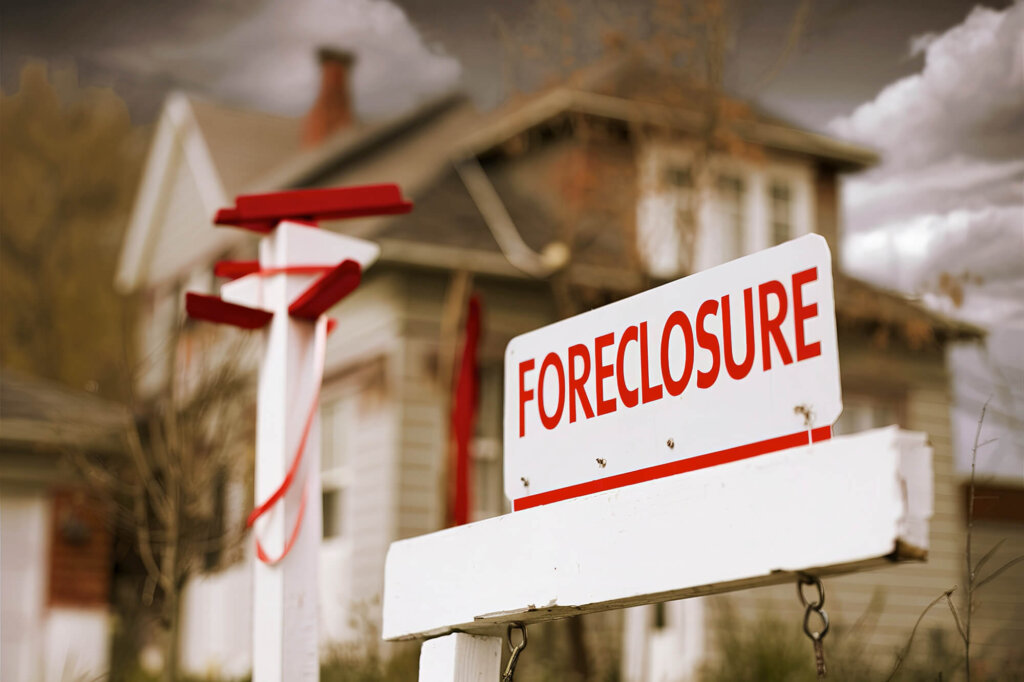
Falling behind on mortgage payments can affect more than your monthly budget. You may be worried about losing your home, protecting your equity, responding to lender notices, or finding another place to live.
Foreclosure is serious, but one missed payment does not mean you have immediately lost the property. Depending on your mortgage, income, home value, and current stage of the process, you may still have options.
Property Buyer Today prepared this guide to help Norristown homeowners understand how foreclosure may affect them and what practical steps they can take before the situation becomes harder to resolve.
Quick Answer
Foreclosure may lead to the forced sale of your home, credit damage, loss of equity, additional legal expenses, and difficulty qualifying for future housing or loans. Options may include a repayment plan, forbearance, loan modification, Pennsylvania’s HEMAP program, a traditional sale, an as-is sale, a short sale, or a deed in lieu.
Contact your mortgage servicer and a qualified housing counselor as early as possible. When selling becomes necessary, confirm that the transaction can close before any critical deadline and satisfy the mortgage payoff or receive lender approval.
Important: This article provides general educational information and is not legal, tax, credit, bankruptcy, or financial advice. Foreclosure cases vary based on the mortgage, lender, court filings, title, homeowner circumstances, and applicable law. Speak with qualified professionals about your situation.
What Foreclosure Means in Pennsylvania
Foreclosure is the legal process a mortgage lender uses to recover unpaid debt from the property securing the loan. If the delinquency is not resolved, the property may eventually be sold.
The Consumer Financial Protection Bureau’s foreclosure guide explains that foreclosure procedures and timelines vary by state.
Federal mortgage-servicing rules generally prevent the legal foreclosure process from beginning until a borrower is more than 120 days delinquent, although limited exceptions may apply. After the process begins, the time before an actual sale depends on Pennsylvania law, court activity, the lender, and the homeowner’s response.
Homeowners can review the CFPB’s explanation of the general foreclosure timeline.
Pennsylvania also has state notice requirements. Section 403 of the state’s Loan Interest and Protection Law, often associated with an Act 6 Notice, generally requires a residential mortgage lender to provide written notice before accelerating an eligible mortgage obligation or beginning foreclosure.
You can review the official Pennsylvania Notice of Intention to Foreclose law.
Do not ignore lender notices, court papers, or sheriff-sale information. Each document may contain a deadline that affects your remaining options.
How Foreclosure Can Affect a Norristown Homeowner
You may lose control over how the property is sold
Before foreclosure reaches its final stage, you may still be able to request mortgage assistance, negotiate with the servicer, apply for a state program, or sell the property voluntarily.
Once a home reaches a sheriff sale, the homeowner no longer controls the buyer, sale price, marketing strategy, or closing schedule in the same way as a normal sale.
If you believe a sale has been scheduled, check the current Montgomery County sheriff-sale listings. Always confirm the date and case status with your mortgage servicer, attorney, and the Sheriff’s Office.
Your home equity may decrease
Equity is the difference between the property’s value and the debts that must be paid from it. Delaying action may allow additional expenses to accumulate, including:
- Unpaid interest
- Late charges
- Attorney fees
- Court expenses
- Property-preservation costs
- Delinquent taxes
- Municipal claims
- Other liens
- Sheriff-sale expenses
A voluntary sale may give you more control over the price and timing. However, the property must close before the relevant deadline, and the proceeds must satisfy the required debts unless the lender approves another arrangement.
Ask the servicer for a current mortgage payoff and have a settlement company review the title before estimating how much equity you may keep.
Foreclosure can damage your credit
A foreclosure generally remains on a consumer’s credit report for seven years from the foreclosure date. Missed mortgage payments may also appear before the foreclosure is completed.
The exact effect on a credit score varies according to the person’s overall credit history and the scoring model. Foreclosure can make future mortgages and other types of credit more difficult or expensive to obtain.
The CFPB explains how foreclosure affects credit and future homeownership.
Selling before a sheriff sale does not erase accurate late-payment history. However, completing a sale that resolves the loan in time may prevent additional missed payments and a completed foreclosure entry.
Finding another home may become more difficult
Landlords, mortgage lenders, and other housing providers may review an applicant’s credit and financial history. Serious mortgage delinquency or foreclosure may:
- Limit available rental options
- Lead to a higher security deposit
- Affect mortgage eligibility
- Increase borrowing costs
- Delay the ability to purchase another home
Foreclosure does not mean you can never become a homeowner again. Future eligibility depends on the loan program, time since foreclosure, income, debt, credit recovery, and underwriting requirements.
Legal and ownership expenses may continue growing
Your regular housing costs usually do not stop because foreclosure has begun. You may remain responsible for:
- Property taxes
- Homeowners insurance
- Utilities
- Maintenance
- Municipal charges
- Emergency repairs
- Lawn and exterior care
- Legal expenses
Ask the mortgage servicer for an itemized reinstatement amount and payoff statement. The balance shown on an older mortgage statement may not include every current charge.
Foreclosure can create emotional stress
Fear of losing a home can cause anxiety, disrupted sleep, family conflict, and difficulty making decisions. That pressure may also make homeowners more vulnerable to misleading promises.
A qualified housing counselor can help you organize documents, understand requests from the servicer, and compare options more calmly.
What to Do After Receiving an Act 91 Notice
Pennsylvania’s Homeowners’ Emergency Mortgage Assistance Program, known as HEMAP, may assist eligible owner-occupants who became delinquent because of circumstances beyond their control.
HEMAP is a loan program, not a grant, and assistance generally must be repaid.
After receiving an Act 91 Notice, a homeowner must meet with an approved counseling agency within 33 days of the notice date to begin a timely application. When the required steps remain timely, foreclosure action may be temporarily restricted while the application is reviewed.
Review the official PHFA HEMAP requirements and application process.
Take the following steps promptly:
- Read the full notice and attached account summary.
- Contact an approved counseling agency listed in the notice.
- Schedule the required meeting within the stated deadline.
- Gather mortgage, income, bank, insurance, tax, and hardship records.
- Continue responding to all lender and court communications.
HEMAP approval is not automatic. Eligibility depends on factors such as occupancy, the cause of the delinquency, the type of property and mortgage, and the homeowner’s ability to resume payments under program requirements.
Options That May Help You Avoid Foreclosure
| Option | May be appropriate when | Important limitation |
|---|---|---|
| Reinstatement | You can pay the overdue balance | Requires a substantial payment |
| Repayment plan | Your income has recovered | Temporarily raises monthly payments |
| Forbearance | The hardship is temporary | Missed payments are not automatically forgiven |
| Loan modification | The current payment is unsustainable | Approval and new terms vary |
| HEMAP | You meet Pennsylvania requirements | Deadlines and repayment rules apply |
| Traditional sale | The home is marketable and time remains | Preparation and financing may take time |
| Direct as-is sale | Repairs or urgency make listing difficult | Offer may be below repaired retail value |
| Short sale | The property is worth less than the debt | Lender approval is required |
| Deed in lieu | Selling is not practical | Lender approval and clear title may be required |
| Bankruptcy consultation | Foreclosure overlaps with significant debt | Requires guidance from a bankruptcy attorney |
Contact your mortgage servicer
Call the company that receives your mortgage payments and ask for its loss-mitigation department.
Explain whether your hardship is temporary or long-term. Request a complete list of available options and the documents needed to apply.
Possible loss-mitigation options may include:
- A repayment plan
- Temporary forbearance
- Loan modification
- Short sale
- Deed in lieu of foreclosure
Approval is not guaranteed. Submit requested documents by the stated deadlines and keep copies of everything you send.
Speak with a qualified housing counselor
The U.S. Department of Housing and Urban Development provides access to approved housing counseling agencies that can help homeowners understand mortgage and foreclosure options.
Use HUD’s resources to find foreclosure-prevention counseling. Foreclosure-prevention counseling through an approved agency is available without charge.
Consider whether selling is financially necessary
Selling may be worth considering when:
- Your income is unlikely to recover
- A modified payment would remain unaffordable
- The home needs repairs you cannot finance
- Taxes, insurance, and maintenance are becoming unmanageable
- You have enough equity to satisfy the mortgage and selling costs
- A relocation or household change makes keeping the home impractical
- A foreclosure deadline is approaching
A traditional listing may provide wider market exposure when the property is in reasonable condition and enough time remains.
A direct sale may be useful when the house needs significant repairs, contains unwanted belongings, has difficult occupancy, or must close within a more controlled period.
Review the step-by-step guide to selling a house fast in Pennsylvania and learn what it means to sell a Pennsylvania home as-is.
An accepted offer does not automatically stop foreclosure. Confirm all deadlines and payoff requirements with the lender, attorney, housing counselor, buyer, and settlement company.
Ask about a short sale
A short sale may be considered when the expected sale proceeds will not cover the mortgage and other required debts.
The mortgage lender must approve the sale. Approval may involve a financial review, purchase agreement, valuation, hardship information, and settlement documents.
Do not assume the lender will accept a reduced payoff until you have written approval.
Ask about a deed in lieu
A deed in lieu of foreclosure involves transferring the property voluntarily to the mortgage lender instead of completing the foreclosure process.
The lender must agree, and additional liens or title problems may prevent approval. Ask how the agreement will address the remaining mortgage debt, relocation, taxes, and credit reporting.
A Practical Norristown Foreclosure Action Plan
1. Identify the current stage
Write down:
- How many payments have been missed
- The date of the latest lender notice
- Whether an Act 6 or Act 91 Notice was received
- Whether a foreclosure complaint has been served
- Any response deadline
- Whether a sheriff sale is scheduled
2. Gather your documents
Collect:
- Mortgage statements
- Payoff information
- Tax and insurance records
- Income documents
- Bank statements
- Hardship records
- Court papers
- The property deed
- Repair estimates
- Information about liens
3. Request current figures
Ask the mortgage servicer for both:
- The amount required to reinstate the mortgage
- The amount required to pay off the loan through a proposed closing date
Have a settlement company check for mortgages, judgments, tax claims, municipal balances, ownership issues, and other title problems.
4. Compare realistic options
Calculate whether you could afford a repayment plan or modified mortgage payment. Then compare the likely costs and benefits of:
- Keeping the property
- Listing traditionally
- Listing as-is
- Selling directly
- Requesting a short sale
- Pursuing a deed in lieu
- Consulting a bankruptcy attorney
Do not compare only the potential sale prices. Consider repairs, commissions, concessions, holding costs, closing certainty, and the available timeline.
5. Confirm every critical deadline
A purchase agreement helps only when the transaction can close in time.
Keep your attorney, mortgage servicer, housing counselor, agent or buyer, and settlement provider informed about court dates and sheriff-sale deadlines.
When Property Buyer Today reviews a Norristown home, our team considers the property’s current condition, title concerns, mortgage timeline, and the owner’s preferred closing date. A direct offer is one option to compare, not a substitute for legal or housing-counseling assistance.
A Realistic Norristown Homeowner Scenario
Consider a Norristown homeowner who lost part of their income and has fallen several payments behind. The property is an older twin that also needs roofing and plumbing repairs.
The homeowner contacts the mortgage servicer and a PHFA-approved counselor. A loan modification is considered, but the proposed payment would still be unaffordable.
A real estate agent believes the home could sell for more after repairs. However, the homeowner cannot fund the work and is concerned about the time required for preparation, showings, appraisal, and buyer financing.
A local property buyer offers less than the possible repaired value but will purchase the home in its existing condition.
The homeowner should compare:
- Mortgage payoff
- Expected net proceeds
- Repair and holding costs
- Closing contingencies
- Available time
- Risk of delay
- Relocation needs
The best decision is the option that can realistically resolve the mortgage while protecting as much financial stability as possible.
Avoid Foreclosure-Relief Scams
Homeowners under financial pressure are common targets for mortgage-relief scams.
The Federal Trade Commission warns against companies that demand upfront fees, guarantee a loan modification, tell homeowners to stop communicating with their servicer, or ask them to send mortgage payments elsewhere.
Review the FTC’s guidance on recognizing mortgage-relief scams.
Be cautious when someone:
- Guarantees foreclosure will stop
- Demands payment before providing assistance
- Pressures you to sign over the deed
- Claims a government affiliation without proof
- Tells you not to contact your lender or attorney
- Leaves blank spaces in a contract
- Asks you to make mortgage payments to them
- Promises a modification without reviewing your finances
Have an independent attorney review unfamiliar agreements before you sign them.
Frequently Asked Questions About Foreclosure in Norristown, PA
How long does foreclosure take in Norristown, PA?
There is no guaranteed timeline. Mortgage-servicing rules, Pennsylvania notices, court activity, lender actions, homeowner responses, and sheriff-sale scheduling can all affect the process.
Does one missed mortgage payment start foreclosure in Pennsylvania?
One missed payment may lead to late fees and collection contact, but the legal foreclosure process generally does not begin immediately. Contact your servicer before more payments become overdue.
What is an Act 91 Notice?
An Act 91 Notice explains Pennsylvania’s HEMAP foreclosure-prevention program and application rights. Homeowners generally have 33 days from the notice date to meet with an approved counselor for a timely application.
Can I sell my Norristown house after foreclosure starts?
A sale may still be possible when it closes before the relevant deadline and satisfies the mortgage and other required debts. If the proceeds are insufficient, lender approval may be needed.
Will selling erase my missed mortgage payments?
No. Accurate late-payment history may remain on your credit reports. A timely sale may, however, prevent additional delinquency and a completed foreclosure entry.
Can foreclosure eliminate my home equity?
Foreclosure-related interest, fees, liens, expenses, and the final sale price can reduce or eliminate equity. Obtain a payoff and estimated seller net sheet before making assumptions.
Is a cash sale better than listing with an agent?
Not always. Listing may provide greater market exposure, while a direct cash sale may offer simpler as-is terms. Compare realistic net proceeds, conditions, and timing.
Can Property Buyer Today stop foreclosure?
No company can guarantee that foreclosure will stop. Property Buyer Today can provide a direct purchase option, but the sale must close in time and meet the lender’s payoff and title requirements.
Compare Your Options Before Making a Decision
Foreclosure should not be ignored, but selling is not the only possible solution. Contact your mortgage servicer, speak with an approved housing counselor, review your Act 91 rights, and obtain legal advice when needed.
If keeping the home is no longer realistic, Property Buyer Today can review your Norristown property in its current condition and provide a no-obligation cash offer. Compare the offer with lender assistance, a traditional listing, and your other available options before deciding.
Learn how the direct-sale process works or request a confidential property review.