
Updated: July 11, 2026
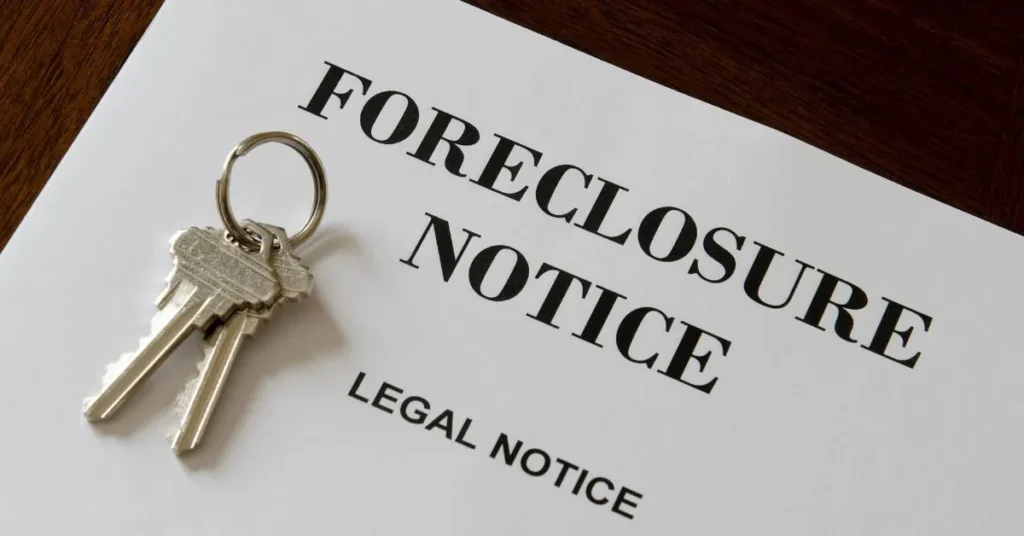
A letter saying your mortgage is in default can be frightening. It may mention missed payments, acceleration, foreclosure, legal action, counseling, or a deadline you do not understand.
“Notice of default” is a broad term. In Pennsylvania, it may refer to a servicer delinquency letter, contractual breach notice, Act 6 Notice, Act 91 Notice, foreclosure complaint, or sheriff-sale notice. These documents do not mean the same thing.
Property Buyer Today prepared this guide to help homeowners identify the document, protect deadlines, and compare their next steps without assuming that selling is the only solution.
Quick Answer
A foreclosure notice of default generally means your mortgage is delinquent and further action may follow if the problem is not resolved. It may explain the amount owed, cure instructions, foreclosure timing, or possible HEMAP rights.
Read every page, confirm the deadline, contact your servicer, and speak with an approved housing counselor. If court or sheriff-sale papers have arrived, contact a Pennsylvania attorney promptly.
Important: This article provides general education, not legal, tax, bankruptcy, credit, or financial advice. Notice requirements and available options depend on your mortgage, property, occupancy, servicer, court case, and circumstances.
What Is a Foreclosure Notice of Default?
A notice of default says the mortgage agreement has not been followed, usually because required payments were missed. It may identify the overdue amount, fees, cure instructions, response deadline, possible next action, and sources of assistance.
The property will not necessarily be sold immediately, but you should act rather than wait for another letter.
Do not rely only on the title at the top. Read the full document and look for references to Act 6, Act 91, HEMAP, a court docket, complaint, judgment, execution, or sheriff sale.
Which Foreclosure Document Did You Receive?
| Document | What it generally means | What to do |
|---|---|---|
| Delinquency or breach letter | The servicer says the mortgage is behind or another loan term was violated | Contact the servicer and request written assistance options |
| Act 6 Notice | The lender intends to accelerate the mortgage or pursue foreclosure when the law applies | Review the cure amount and deadline |
| Act 91 Notice | The notice explains Pennsylvania HEMAP rights when applicable | Contact an approved counselor promptly |
| Foreclosure complaint | A court case has been filed | Speak with an attorney and follow the response deadline |
| Judgment or execution papers | The case has progressed toward enforcing the lender’s claim | Obtain urgent legal advice |
| Sheriff-sale notice | The property has been scheduled for sale | Verify the date and coordinate all remaining options |
A servicer letter, court complaint, and sheriff-sale notice represent different stages. Your options and urgency depend on the document received.
What Is an Act 6 Notice?
Pennsylvania’s Loan Interest and Protection Law generally requires a residential mortgage lender to provide a Notice of Intention to Foreclose before accelerating an applicable residential mortgage or beginning foreclosure, subject to legal requirements and exceptions.
The official Pennsylvania Act 6 foreclosure-notice law explains possible required details, including the default, cure rights, amount due, and deadline.
Use the notice period to confirm the cure amount, ask about loss mitigation, review the account for errors, contact a counselor, obtain legal advice, and decide whether keeping or selling is realistic.
Keep the notice and envelope because the mailing date may matter.
What Is an Act 91 Notice?
An Act 91 Notice provides information about Pennsylvania’s Homeowners’ Emergency Mortgage Assistance Program, known as HEMAP, when the notice and program apply.
HEMAP, administered by the Pennsylvania Housing Finance Agency, may provide a repayable assistance loan to eligible homeowners facing qualifying hardship.
A homeowner seeking timely HEMAP consideration must generally meet with a designated counseling agency within 33 days of the Act 91 Notice date. Review the official PHFA HEMAP process and contact an approved agency immediately.
Approval is not automatic. Eligibility may depend on occupancy, the mortgage, the cause of delinquency, household finances, the ability to resume payments, and timely documentation.
Prepare mortgage, income, banking, tax, insurance, expense, and hardship records.
Has a Foreclosure Case Already Been Filed?
If you received a “Complaint in Mortgage Foreclosure,” a court action may already have begun. This is different from an earlier lender or servicer notice.
Do not ignore the complaint, even if you are speaking with the mortgage company or trying to sell. Servicer discussions do not automatically pause court deadlines.
Record when the complaint was served, identify the court and docket number, note the response deadline, contact a Pennsylvania attorney, continue communicating with the servicer, and preserve proof of every submission.
An attorney can review the notices, balance, fees, ownership information, and lender documents.
How Long Before Foreclosure Can Begin?
Federal mortgage-servicing rules generally prevent a covered servicer from making the first notice or filing required to begin foreclosure until the mortgage is more than 120 days delinquent. Limited exceptions can apply.
The 120-day rule is not a guaranteed grace period. Fees, credit reporting, collection activity, and inspections may occur earlier.
After filing, timing can depend on notice requirements, service of process, court activity, homeowner responses, loss mitigation, bankruptcy, judgment, execution, sheriff scheduling, and postponements.
Follow the dates in your documents instead of relying on a generic online estimate.
What to Do Within the First 24 to 48 Hours
Organize every document
Create one file for mortgage statements, default notices, Act 6 and Act 91 papers, court documents, tax and insurance records, servicer letters, income records, and proof of hardship.
Put every deadline on a calendar and create reminders several days in advance.
Contact the mortgage servicer
Call the company that receives your mortgage payments and ask for its loss-mitigation department.
Explain why payments were missed, whether the hardship is temporary or long-term, and whether you want to keep or leave the property. Request a complete assistance application and written document list.
The Consumer Financial Protection Bureau recommends prompt servicer contact and free help from an approved housing counselor.
Keep a call log with the representative’s name, date, time, reference number, and next step.
Request reinstatement and payoff amounts
These figures answer different questions:
- Reinstatement: What may be required to bring the mortgage current
- Payoff: What is needed to satisfy the mortgage through a specific date
The payoff may include principal, interest, fees, legal costs, and other permitted charges. Do not estimate it from an old statement.
Contact a housing counselor
A HUD-approved counselor can help you understand the servicer’s options, organize an application, and communicate with the mortgage company.
Use the official housing counselor search to find free foreclosure-prevention help.
Seek legal help when court papers arrive
A counselor does not replace an attorney. Legal guidance is especially important after court papers arrive, when you dispute the balance, bankruptcy is being considered, ownership is complicated, or a sheriff sale is scheduled.
Options After Receiving a Foreclosure Notice
| Option | May fit when | Main limitation |
|---|---|---|
| Reinstatement | You can pay the overdue balance | Requires a large lump sum |
| Repayment plan | Income has recovered | Temporarily raises monthly payments |
| Forbearance | The hardship is short-term | Missed amounts are not automatically forgiven |
| Loan modification | The current payment is unaffordable | Approval and terms vary |
| HEMAP | You meet Pennsylvania requirements | Deadlines and repayment obligations apply |
| Traditional sale | The home is marketable and time remains | Preparation and financing may take time |
| Direct as-is sale | Repairs or urgency make listing difficult | Offer may be below repaired retail value |
| Short sale | The home cannot cover required debt | Lender approval is required |
| Deed in lieu | A sale and workout are not practical | Lender approval and clear title may be needed |
| Bankruptcy consultation | Foreclosure overlaps with wider debt problems | Requires individual legal advice |
Can You Sell After Receiving a Foreclosure Notice?
You may still be able to sell if the transaction closes before the applicable deadline and can satisfy the mortgage, liens, taxes, and other required amounts.
Selling may be worth considering when the payment remains unaffordable, the property has equity, repairs and carrying costs are growing, relocation is necessary, the home is difficult to maintain, or a sheriff-sale date is approaching.
A traditional listing may provide broader exposure when the home is market-ready. An as-is sale may be more practical when repairs, belongings, tenants, or timing make financing difficult.
Review the Pennsylvania fast-sale process and the guide to companies that buy houses in any condition.
A signed contract does not automatically stop foreclosure. Coordinate the closing with the servicer, attorney, buyer, and settlement company.
What if a Montgomery County Sheriff Sale Is Scheduled?
Homeowners in Norristown and nearby Montgomery County communities can review the public Montgomery County foreclosure-sale listings.
Public listings may not reflect every last-minute change. Confirm the date with your attorney, servicer, the Sheriff’s Office, the court docket, and the settlement company.
Never assume a sale was postponed or canceled without reliable confirmation.
A Realistic Pennsylvania Example
Consider a Norristown homeowner who falls behind after a reduction in work hours. The homeowner receives a notice explaining the amount owed and possible HEMAP rights. The property is an older twin with basement moisture and an aging roof.
The homeowner contacts a counselor within the applicable period and submits a mortgage-assistance application. The servicer offers a modification, but the proposed payment remains unaffordable.
An agent believes the home could sell for more after repairs, although the owner cannot fund the work. A local buyer provides an as-is offer below the projected repaired value but without requiring renovations.
The homeowner should compare the payoff, equity, repairs, carrying costs, sale terms, deadline, and relocation needs. The best option is the one that can realistically resolve the mortgage while protecting financial stability.
Avoid Foreclosure-Relief Scams
The Federal Trade Commission warns against companies that guarantee relief, demand advance payment, discourage servicer contact, or redirect mortgage payments.
Review the FTC’s guidance on mortgage-relief scams.
Be cautious when someone guarantees a modification, demands upfront fees, claims government affiliation without proof, pressures you to transfer the deed, discourages legal advice, leaves contract blanks, or uses threats to force a signature.
Common Mistakes to Avoid
Waiting for another notice
The next document may contain a shorter deadline. Start reviewing options after the first meaningful notice.
Assuming a phone call stopped foreclosure
A conversation does not automatically suspend legal activity. Request written confirmation of every arrangement.
Submitting an incomplete application
Ask what is missing, keep proof of delivery, and follow up until the servicer confirms the status.
Missing Act 91 timing
Contact an approved agency promptly so you do not miss the counseling deadline.
Accepting an unclear cash contract
Review proof of funds, inspections, cancellation and assignment clauses, earnest money, seller costs, and the closing date.
Frequently Asked Questions About Pennsylvania Foreclosure Notices
Is a notice of default the same as a foreclosure complaint?
No. A notice of default may be an earlier lender or servicer warning. A foreclosure complaint is a court filing that begins a legal action.
What does an Act 6 Notice mean in Pennsylvania?
It generally warns that the lender intends to accelerate an applicable residential mortgage or pursue foreclosure and explains how the default may be cured when the law applies.
How long do I have to respond to an Act 91 Notice?
A homeowner seeking timely HEMAP consideration generally must meet with a designated counseling agency within 33 days of the notice date.
Can one missed payment cause immediate foreclosure?
Generally, no. Foreclosure is a multistep process, and federal rules usually restrict the first filing until a covered mortgage is more than 120 days delinquent, subject to exceptions.
Can I sell my Pennsylvania house after receiving a default notice?
Yes, a sale may still be possible if it closes before the applicable deadline and satisfies required debts or receives necessary lender approval.
Does applying for a loan modification stop foreclosure?
Not automatically in every situation. Submit a complete application early, follow court deadlines, and obtain written confirmation about the case status.
What should I do if a sheriff sale is scheduled?
Contact an attorney and your servicer immediately. Verify the date, obtain payoff information, and determine whether assistance, a sale, bankruptcy review, or another option remains available.
Can Property Buyer Today guarantee that foreclosure will stop?
No. Property Buyer Today can provide a direct purchase option, but the sale must close in time and meet the lender’s payoff, title, and settlement requirements.
Review Every Option Before Deciding
A foreclosure notice should never be ignored, but different documents require different responses. Identify the notice, protect every deadline, contact your mortgage servicer, and speak with an approved housing counselor.
When keeping the property is no longer affordable, Property Buyer Today can review the home in its current condition and provide a no-obligation cash offer. Compare a direct sale with mortgage assistance, a traditional listing, a short sale, and legal advice.
Learn how the direct-sale process works or request a confidential property review.