
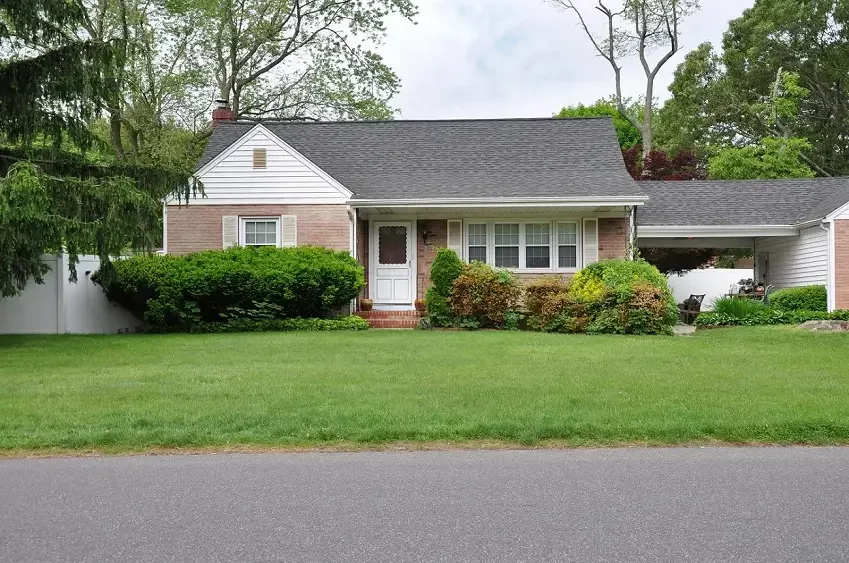
Facing serious health issues can change everything — including whether your current home still works for you. If illness, mobility challenges, or medical bills have made it difficult to keep up with home maintenance or live comfortably, selling your home may be the most practical choice.
In Willow Grove, PA (or similar communities), homeowners in such situations often prioritize speed, simplicity, and peace of mind. This article explores why and how selling your house due to health-related circumstances might be right for you — and what to expect along the way.
Why Do Health Issues Lead Homeowners to Sell?
Loss of Physical Ability and Accessibility Problems
- Many older homes (or multi-story houses) become difficult to navigate if mobility declines. Staircases, narrow doorways, or multi-level layouts can pose safety risks.
- Even everyday upkeep — cleaning, yard maintenance, minor repairs — can become overwhelming or risky.
- In some cases, expensive modifications (wheelchair ramps, stair lifts, bathroom renovations) are needed to make the home safe or livable — but these renovations can be costly and time-consuming.
Medical Bills, Long-Term Care, and Financial Pressure
- Medical treatments, ongoing care, rehabilitation, or long-term care needs can create significant financial strain. Selling the house can free up funds to pay medical bills or transition into a more manageable living situation.
- For seniors or individuals receiving means-tested public assistance (e.g., Medicaid), selling the home can have implications on benefits eligibility — especially once the proceeds become a countable asset. Learn more about Medicaid eligibility requirements and how selling your home may affect your benefits in this comprehensive guide by Medicaid.gov.
Desire for Simplicity and Reduced Stress
- Facing health challenges often means a need for stability and less burden — maintaining a large home, dealing with upkeep, and using stairs may feel like unnecessary stress.
- Selling the home can allow you to relocate to a smaller, more accessible property (single-story, assisted living, apartment, near family, etc.), reducing future risk and workload.
Deciding Whether to Sell — What to Consider First

Before jumping into a sale, it’s important to take stock of your situation. Here’s a checklist to help you evaluate whether selling is the right move.
Key Questions to Ask Yourself
- Is maintaining your current home becoming difficult or unsafe due to health limitations?
- Are you anticipating high future medical or care expenses (treatments, rehabilitation, assisted living)?
- Can you realistically afford necessary modifications to make your home accessible and safe?
- Would relocating to a smaller or more suitable home (single-level, closer to care or family) ease your burden and improve quality of life?
- Are there other household members (spouse, children) whose living arrangements would be affected by selling? Can they adapt?
If your answers point toward increasing difficulty, risk, or burden — selling may well be a practical, even necessary, option.
Choosing the Right Selling Option: Cash Sale vs. Traditional Sale
When selling due to health issues, many homeowners opt for a cash sale — to simplify the process and reduce strain. But it’s not always a one-size-fits-all solution. Below is a breakdown of the benefits and drawbacks.
Benefits of Selling for Cash
- Speed of sale: A cash sale can close much faster than a traditional sale that depends on financing, mortgage approvals, and contingencies. This can be critical when you need funds quickly or when health issues demand a timely move.
- No need for repairs or upgrades: Cash buyers — often investors or home-buying companies — typically purchase properties “as-is.” This means you don’t need to worry about cleaning, painting, staging, or costly repairs. Learn more about the benefits of selling a house as-is — no repairs required, making the sale process simpler and faster, in this comprehensive guide by HomeLight.
- Lower complexity and fewer contingencies: No mortgage underwriting, fewer inspections/negotiations (in many cases), and fewer buyer contingencies — which reduces the risk of a deal falling through.
- Fast access to cash: Proceeds from a cash sale can help cover medical bills, care, moving costs, or down payment for a more suitable home — often a lifesaver in stressful health-related situations.
Potential Drawbacks of a Cash Sale
- Lower sale price: Cash buyers often pay less than the full market value because they take on risk, buy as-is, and aim to resell for profit.
- Loss of potential value: If the home could fetch a higher price after repairs, staging, or through a traditional sale, selling for cash might mean “leaving money on the table.”
- Impact on benefits and financial planning: If you rely on means-tested benefits (e.g., Medicaid), proceeds from a sale could count toward asset limits and affect eligibility.
- Emotional and lifestyle adjustments: Selling a longtime home can be emotionally difficult. Also, moving to a smaller or different home may require compromises.
Comparison: Cash Sale vs. Traditional Sale
| Factor | Cash Sale | Traditional Sale (Market Sale) |
|---|---|---|
| Sale Speed | Fast — often 7–30 days (depending on buyer readiness) | Slower — weeks to months, depending on financing, inspections, market conditions |
| Repairs / Upgrades Needed | None or minimal — often “as-is” sale | Often significant — fixes, staging, cleaning, upgrades |
| Closing Complexity | Simpler — fewer contingencies, fewer delays | More complexity — inspections, appraisals, financing, negotiations |
| Sale Price / Value | Typically below market value because of risk & speed | Often higher — full market value, especially if house is well-presented |
| Use of Proceeds | Quick access to cash — ideal for medical bills, care, moving | Takes longer, but possibly higher net proceeds |
| Stress & Burden on Seller | Lower — less to manage physically and mentally | Higher — preparing home, showings, repairs, uncertainties |
How the Selling Process Works When Health Issues Drive the Decision
If you choose to sell — especially via a cash sale — here’s a step-by-step outline of what you can expect.
Preparing to Sell
- Gather necessary paperwork: Title deed, tax records, mortgage payoff information, proof of ownership. If there are liens or outstanding debts, be ready to disclose and resolve them.
- Decide on sale type: Cash sale vs. traditional sale. For health-related reasons (urgency, inability to maintain the property, need for quick cash), a cash sale often makes sense.
- Consider accessibility and safety issues: If health issues are due to mobility or physical limitations, ensure any health-related disclosures are accurately reported (especially if there are hazards or needed accessibility concerns).
Evaluating Cash Offers and Potential Buyers
If you go the cash-sale route:
- Ensure the buyer has proof of funds (bank statements or financial documentation) — this reduces risk of a failed deal.
- Look for buyers with a history of “as-is” purchases, transparent processes, and professional reputations. Reviews, testimonials, or referrals help confirm reliability.
- Make sure you understand all terms: whether closing costs are covered, what “as-is” truly means, and what (if any) contingencies remain.
Closing the Sale
- Once an offer is accepted, the paperwork moves more quickly than a traditional sale — with fewer contingencies (no mortgage underwriting, fewer inspections).
- Funds are disbursed soon after closing, giving you immediate access — which can be critical for medical bills, moving costs, or securing a new living arrangement.
- Ownership is transferred, and you are free to use proceeds as needed.
Legal, Financial, and Benefit-Related Considerations
If you are selling due to health issues — especially if you rely on government benefits, medical assistance, or anticipate long-term care — you should carefully consider the following:
Taxes and Capital Gains
- Under U.S. tax law, many homeowners may qualify to exclude up to US$250,000 of capital gain (or US$500,000 for married couples filing jointly) when selling their primary residence — under certain conditions.
- This exclusion may make selling more financially attractive, especially if you’ve lived in the home for a while and it’s your primary residence.
- If you expect significant gain — for example, due to property appreciation — it’s advisable to consult a tax professional to understand your obligations and whether you qualify for full, partial, or no exclusion.
Learn more about how capital gains and taxes work when you sell your home — including the $250,000 / $500,000 home-sale exclusion, in this official guide by the IRS.
Impact on Means-Tested Benefits or Healthcare Assistance
- If you or a family member receive means-tested benefits (e.g., Medicaid), selling your home can affect eligibility. While the home itself may be exempt as a “primary residence,” the proceeds from the sale may count as assets — possibly resulting in disqualification.
- Some states require “spend down” of excess assets or reinvestment of proceeds into another primary home within a certain time window to maintain eligibility.
- If you rely on federal healthcare benefits (e.g., Medicare), depending on your income, a large capital gain could affect your income-based premiums or benefits.
- Because rules vary by state (and benefits program), it’s strongly recommended to consult with a qualified attorney or Medicaid/benefits planner before completing a sale.
After the Sale: What Comes Next
Selling a home due to health issues doesn’t end at closing — there’s life after the sale to plan for.
Securing New, More Suitable Housing
- Many sellers move to single-level homes, apartments, assisted-living facilities, or houses closer to family or care centers. This can reduce daily stress, enable easier mobility, and provide access to support.
- Use part of the proceeds to prepare for moving costs, deposits, and potential ongoing costs (rent, assisted-living fees, medical care).
Managing Finances & Medical/Care Needs
- The cash from the sale can be a lifeline for paying off medical bills, funding treatments, paying for caretakers, or investing in home modifications if you relocate somewhere else.
- If you receive any benefits (Medicaid, assistance, etc.), ensure compliance with asset limits — or seek professional advice to preserve eligibility.
Emotional and Lifestyle Adjustment
- Selling a longtime home — especially one filled with memories — can be emotionally challenging. Expect mixed feelings.
- Downsizing or relocating to a smaller or different home may involve lifestyle changes; but for many, the tradeoff of reduced stress, easier maintenance, and better health support is worth it.
Why Willow Grove, PA Homeowners Might Especially Benefit
While the ideas above apply broadly to homeowners nationwide, there are reasons why residents of Willow Grove (or similar suburban communities in Pennsylvania) may find this approach especially appealing:
- Willow Grove housing stock often includes older houses, multi-level homes — which may be hard to manage for someone with mobility issues or chronic health conditions.
- Nearby access to medical facilities, senior-friendly housing, assisted living, and community services may make downsizing or relocating more practical than trying to modify an older home.
- The real estate market in and around suburban Pennsylvania tends to offer diverse housing options — including smaller houses, apartments, or one-story homes — which may be more appropriate for someone prioritizing health and accessibility.
- Given medical and care costs in the U.S., converting home equity into liquidity can make it easier to manage health expenses and secure a comfortable, manageable lifestyle for the long term.
Frequently Asked Questions (FAQs)
Q1: Can I sell my house if I’m facing health issues?
A: Yes, you can sell your house if you’re facing health issues. Many homeowners in similar situations choose to sell due to physical limitations, financial burdens from medical expenses, or the need to downsize for better accessibility. Selling to a cash buyer is often the fastest option, as it eliminates the need for repairs or inspections, allowing you to close quickly.
Q2: How long does it take to sell a house due to health problems in Willow Grove, PA?
A: Selling your house due to health problems can be completed much faster with a cash sale. In Willow Grove, PA, a cash sale can close within 7 to 30 days, depending on the buyer and your readiness. This is a much quicker timeline than traditional sales, which can take 30-60 days or longer.
Q3: Do I need to make repairs if I sell my house due to health issues?
A: No, you do not need to make repairs when selling your home due to health issues, especially if you sell to a cash buyer. Cash buyers often purchase properties “as-is,” meaning they accept the house in its current condition, without requiring you to fix anything.
Q4: Will selling my house affect my Medicaid or other health-related benefits?
A: Selling your home may impact your Medicaid eligibility or other government benefits if the sale proceeds exceed asset limits. However, each state has different rules, so it’s important to consult a Medicaid planner or financial advisor to understand how the sale might affect your benefits.
Q5: What should I do with the money from selling my house due to health problems?
A: After selling your house due to health problems, consider using the proceeds for immediate medical care, future long-term care, or securing a new, more accessible living situation. You may also want to set aside funds for moving costs, especially if you need to relocate to an assisted living facility or a smaller, single-level home.
Q6: Can I sell my house fast if I have health issues in Willow Grove, PA?
A: Yes, you can sell your house quickly if you’re facing health issues in Willow Grove, PA, by opting for a cash sale. Cash buyers can close in as little as 7 days, bypassing the lengthy process of traditional listings, which require inspections, appraisals, and mortgage approvals.
Final Thoughts — Is Selling the Right Choice for You?
Deciding to sell your house because of health issues is deeply personal — and often difficult. On one hand, you’re giving up more than just a property; you may be leaving memories, community, and comfort. On the other hand, the benefits — reduced burden, easier living, financial relief, and improved safety — can significantly improve quality of life when health is a concern.
If you find maintaining the home overwhelming, medical costs rising, or mobility becoming an issue, selling (especially to a cash buyer like Property Buyer Today) could be the most practical and sensible option. Property Buyer Today offers a fast and hassle-free process that can help you transition smoothly to a new living situation, without the stress of repairs or long waiting periods.
Above all, remember: your health and well-being matter. Selling a house is a big decision — but sometimes, it’s a step toward a safer, simpler, and more manageable future. Property Buyer Today is here to support you through every step of the process, ensuring you get a fair offer and the peace of mind you deserve.