
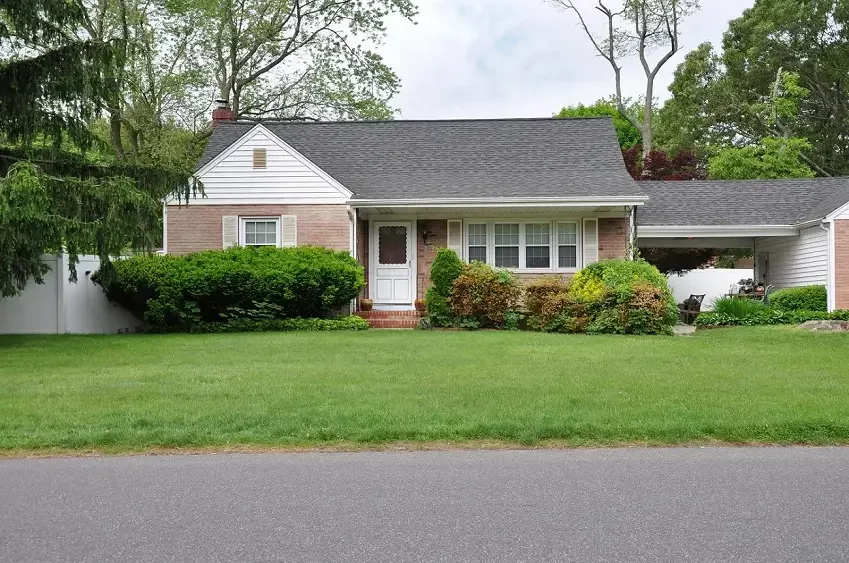
Owning a distressed property — whether due to financial hardship, major repairs, or impending foreclosure — can be overwhelming. If you need a fast, hassle‑free exit, selling your distressed home for cash can be a lifesaver. For homeowners in King of Prussia, PA, this option often provides a quicker, simpler path compared with a traditional real estate sale.
In this guide, we walk you through what a “distressed property” means, why a cash sale may be ideal, how the process works, and what to watch out for. By the end, you’ll better understand your options and be empowered to make an informed decision.
What Is a Distressed Property?
Definition of a Distressed Property
A distressed property generally refers to a home that is under some form of strain — financial, structural, or legal. Common situations:
- The property is in foreclosure or is at risk of foreclosure.
- The home requires major repairs — foundation problems, structural damage, water damage, mold, outdated systems, etc.
- There may be liens, code violations, or title issues attached to the property.
- The owner wants to offload the property quickly due to life events: job loss, relocation, inheritance, divorce, or mounting repair costs.
In short — a distressed property is often a “fixer‑upper,” burdened by financial or physical issues, and unlikely to appeal to traditional homebuyers without significant investment.
Why Some Properties Become Distressed
There are many reasons a home may end up distressed:
- Financial hardship or inability to keep up with mortgage payments — leading to pre‑foreclosure or foreclosure.
- Aging or deferred maintenance: over time, problems such as leaking roofs, outdated plumbing, structural issues, or code violations may accumulate.
- Life events: divorce, job relocation, inheritance, or other major changes can force a fast sale.
- Market dynamics and economic pressures: sometimes local market conditions or personal debt can push homeowners to sell quickly.
Recognizing that your property qualifies as distressed is the first step toward choosing a suitable exit strategy — and for many, selling to a cash buyer makes sense.
Why Sell Your Distressed Property for Cash in King of Prussia, PA?

Turning a distressed property into cash through a speedy sale offers several advantages. Here’s why many homeowners in King of Prussia choose this route.
Benefits of a Cash Sale for Distressed Properties
| Benefit | Details |
|---|---|
| Speed of Transaction | Cash sales often close in as little as 7–14 days, compared to 30–60+ days for traditional sales. |
| Sell “As‑Is” — No Repairs Needed | You don’t need to invest time or money into repairs, updates, or staging. Buyers accept the home in its current condition. |
| Fewer Contingencies / Less Risk of Financing Falling Through | Because there’s no mortgage or lender involved, there’s no risk of financing collapse — a common issue in traditional sales. |
| Simplicity and Certainty | With fewer showings, no waiting on buyers, inspections, or financing, the sale is simpler and more predictable. |
| Avoid Foreclosure / Financial Stress | For homeowners at risk of foreclosure, a quick cash sale can help avoid credit damage, legal issues, and emotional distress. |
These benefits make cash sales especially appealing if you need to move quickly, don’t have funds for repairs, or simply want to sell without the hassle of traditional real estate processes.
How the Cash‑Buying Process Works: Step‑by‑Step
If you decide to sell to a cash buyer, here’s a typical process timeline — and what to expect along the way.
Step-by-Step Guide to Selling for Cash
| Step | What Happens |
|---|---|
| 1. Contact a Cash Buyer / Investor | Reach out to a reputable cash buyer or real estate investor experienced in buying as‑is homes. Provide basic info about your property (location, condition, issues). |
| 2. Property Evaluation / “As‑Is” Assessment | The buyer or their representative assesses the property’s condition — often with a simple walkthrough or photos (sometimes a formal inspection if needed). |
| 3. Offer Presentation | Buyer presents a no-obligation cash offer, typically reflecting the home’s as-is condition and any needed repairs. |
| 4. Decide & Accept | You evaluate the offer, compare with your needs and timeline, and — if acceptable — sign a purchase agreement. A typical agreement is a standard legal contract where terms are laid out. |
| 5. Title Check & Paperwork | The buyer conducts a title search, ensures there are no major liens or legal issues, and prepares closing documents. |
| 6. Close the Sale & Transfer Ownership | Once paperwork is complete, the sale closes. Funds are transferred — often quickly. Keys and ownership transfer happen at closing. |
According to real estate resources, a cash sale can often close in as little as 7–14 days, significantly faster than the 30–60+ days typical for financed sales.
What It Means to Sell “As‑Is” for Cash
Selling a house “as‑is” means you’re offering it in its current condition — no repairs, no upgrades, no staging, nothing done.
That often means:
- The buyer takes on all defects and needed renovations.
- You avoid the time, hassle, and cost of making repairs.
- The sale tends to attract investors, flippers, or buyers ready to renovate, rather than typical homebuyers seeking turnkey-ready homes.
Many homeowners with distressed properties — foreclosures, structural damage, or financial strain — prefer this route because it eliminates the expense and stress of repairs and lets them walk away quickly.
Key Considerations When Selling Your Distressed Property
While selling to a cash buyer has many advantages — especially for distressed properties — there are important factors you need to consider carefully.
1. Property Condition & Level of Distress
The condition of your home has a huge impact on what offer you receive. A property with severe structural problems, outdated systems, or legal complications (liens, code violations) will likely receive a lower offer than a home in relatively better shape. Cash buyers factor in repair costs, time, and risk when preparing an offer.
Before you commit:
- Be honest and transparent about all known issues and defects. Transparency builds trust and avoids legal or contractual issues later.
- Understand that the offer will reflect the “as‑is” state — this means discounting for anticipated repair costs and risks.
2. Market Conditions in King of Prussia
The local real estate market influences what cash buyers are willing to pay. Recent data shows that in King of Prussia, homes are selling — on average — for a median price around the regional market (though distressed and as‑is properties sell for less) as of late 2025.
While demand can fluctuate, distressed properties remain a steady subset of the market — often sought by investors and flippers looking for lower-cost entry points.
Understanding the broader market helps you gauge whether a cash sale makes sense compared to waiting for a traditional sale (if you have time).
3. Timeframe and Urgency of Sale
If you’re facing foreclosure, financial difficulties, or need to relocate quickly, a cash sale can be a lifesaver. Traditional sales may take months — and require investment in repairs, staging, inspections, and mortgage contingencies. In contrast, cash sales can wrap up in days.
But with speed comes trade-offs: cash offers will almost always be lower than what you might get with a fully prepped, well‑priced conventional sale.
4. Legal, Disclosure & Title Considerations
Selling distressed property — especially as-is — can involve legal or disclosure complications:
- You or your buyer must identify known defects (structural, water damage, mold, code violations, etc.) and disclose them. Failure to do so may lead to disputes after the sale. In Pennsylvania, home sellers are legally required to disclose material defects under the state’s Real Estate Seller Disclosure Law.
- Title issues (liens, unpaid taxes, judgments) must be cleared or disclosed — these can delay or derail a sale if not handled properly.
- Always ensure that the buyer provides proof of funds — since one benefit of cash sales is the elimination of financing risk, you want to make sure the buyer truly has the cash.
Working with a qualified real estate attorney or experienced cash buyer can help mitigate risks and ensure a clean, legal transaction.
Pros and Cons of Selling Your Distressed Property for Cash
Pros
- Speed and Certainty — Rapid closing (often in days), eliminating long waiting periods and financing uncertainty.
- No Needed Repairs or Upgrades — You avoid spending time and money on rehab, staging, or upgrades. Selling “as-is” means the buyer accepts the property in its current condition, and you can bypass the cost and effort of repairs. For more on selling a home as-is, check out HomeLight’s guide.
- Simplified Process — Less paperwork, fewer contingencies, fewer showings or open houses.
- Relief from Financial Pressure — If facing foreclosure or financial hardship, you can secure a sale quickly.
- Out-of-Hand “As-Is” Sale — Sell the home in its current condition, without future liability or obligations.
Cons & Trade-offs
- Lower Sale Price — Cash offers tend to be discounted because buyers account for repair costs, risk, and resell overhead. You may receive significantly less than fair market value.
- Less Room for Negotiation — Cash buyers often make firm offers, with limited flexibility on price.
- Narrower Buyer Pool — Primarily investors or flippers — fewer traditional buyers who pay premium prices for turnkey homes.
- Potential Disclosure / Legal Issues — If defects or title problems are not properly disclosed, you could face legal complications after sale.
Because of these trade‑offs, selling to a cash buyer is often best when speed, convenience, or relief from financial distress are higher priorities than maximizing sale price.
Common Pitfalls to Avoid When Selling a Distressed Property for Cash
Selling distressed properties to cash buyers works well if done carefully. But there are common mistakes that homeowners often make.
Mistake 1: Accepting the First Offer Without Comparison
- Don’t accept the first cash offer you get — compare with multiple buyers to ensure you’re getting a fair deal.
- Get a sense of a realistic sale price by understanding local market data and similar distressed sales.
Mistake 2: Failing to Disclose All Known Defects or Issues
- Hidden defects — structural damage, mold, water intrusion, code violations — must be disclosed. Failing to do so may lead to legal issues.
- Transparency gives you credibility and reduces liability down the road.
Mistake 3: Working With Unverified or Unreliable Buyers
- Not all “we buy houses for cash” buyers are legitimate. Some may make vague promises, attempt to lowball, or include hidden fees.
- Always request proof of funds or documentation showing the buyer has the financial means to complete the sale.
- Doing proper due diligence — verifying the buyer’s reputation, asking for references — can save you headaches.
Mistake 4: Underestimating Hidden Costs
- Even if you avoid repair costs, there may still be closing costs, title fees, transfer taxes, or other administrative costs.
- Understand who pays what (seller vs. buyer) before signing the agreement.
Mistake 5: Overlooking Timing & Market Conditions
- Selling when market demand is low — or when many distressed properties are on the market — can drive down offers.
- In slow markets, even cash buyers may offer conservative discounts.
By being aware of these pitfalls — and acting with transparency and caution — you increase your chances of a successful, fair, and stress‑free cash sale.
What to Expect During the Closing Process
Once you accept a cash offer and sign a purchase agreement, here’s what happens until closing — and what you should be prepared for.
Paperwork & Title Work
Before closing, the buyer (or their representative) will:
- Perform a title search to confirm the property has a “clean” title (no outstanding liens, unpaid taxes, judgments, or legal encumbrances).
- Prepare and review the purchase and sale agreement (or similar contract), which formalizes the sale terms, price, contingencies (if any), and closing date.
Closing & Transfer of Funds
- Because it’s an all‑cash sale, there’s no waiting on mortgage underwriting, appraisal, or bank loan approval — which speeds up the process dramatically.
- On closing day: signatures are exchanged, deed/title is transferred, and funds are disbursed — often directly to you (seller).
Post‑Closing
Once the sale closes:
- Buyer takes over ownership — responsible for any repairs, renovations, or code compliance.
- You receive your funds, and (in most cases) you walk away, no more financial burden or maintenance obligations.
This streamlined process is often the main attraction for owners of distressed properties — especially those seeking quick resolution.
Frequently Asked Questions (FAQs)
Q1. Can I sell my distressed property even if it’s in pre‑foreclosure or foreclosure?
A: Yes. One key advantage of selling for cash is that many cash buyers are willing to purchase homes even if they are in pre‑foreclosure or at risk of foreclosure — often offering a faster exit than waiting for the bank auction or facing credit damage.
Q2. Will I get fair value for my home if I sell for cash?
A: It depends. Cash offers tend to be discounted because buyers account for repair costs, risk, and resell overhead. While you may get less than full market value, you gain speed, convenience, and certainty — which many sellers view as worth the trade-off.
Q3. Do I need to make repairs before I sell?
A: No. Selling “as‑is” means you don’t need to invest in repairs, staging, or upgrades. The buyer agrees to purchase the property in its current condition.
Q4. How fast can the sale be completed?
A: Quite fast. Many cash sales close in 7–14 days from offer acceptance — significantly faster than traditional sales (which often take 30–60 days or more).
Q5. Are there any risks or hidden fees?
A: There can be: closing costs, title fees, transfer taxes, or legal obligations if disclosures weren’t properly made. Also, accepting a low cash offer might leave equity on the table. That’s why it’s important to vet buyers, review offers carefully, and understand all costs before signing.
Is a Cash Sale Right for You? A Quick Self‑Checklist
Before you decide to sell your distressed home for cash, run through these questions to see whether this path makes sense:
- Do you need to sell quickly (e.g., due to foreclosure risk, financial hardship, job relocation, or other urgency)?
- Is the home in poor condition — needing repairs, structural work, or renovations that you cannot or do not want to undertake?
- Are you willing to accept a potentially lower sale price in exchange for speed, convenience, and certainty?
- Do you want to avoid the stress, time, and costs of a traditional sale (staging, open houses, inspections, repairs, mortgage contingencies, etc.)?
- Is your property title clear (or can it be cleared) — or are you prepared to work through liens, taxes, or other encumbrances if any exist?
If you answered “yes” to most of these — a cash sale likely offers a practical, realistic path forward.
Conclusion
Selling a distressed property in King of Prussia, PA can feel overwhelming — but it doesn’t have to be. For many homeowners, a cash sale offers the fastest, simplest, and most stress‑free path out.
By understanding what constitutes a distressed property, knowing how the cash sale process works (and what to expect), weighing the pros and cons, and avoiding common pitfalls, you can make a well-informed decision that aligns with your goals and circumstances.
While you might not receive the top market price as you would in a fully-prepped traditional sale, for many sellers, speed, simplicity, and certainty are more valuable — especially in challenging situations like foreclosure, financial strain, or urgent relocation.
If you choose to go this route, take time to vet potential cash buyers, get multiple offers, and review all paperwork carefully. With the right preparation and caution, selling to a cash buyer through Property Buyer Today can provide relief and a clean break — allowing you to move forward with confidence.