
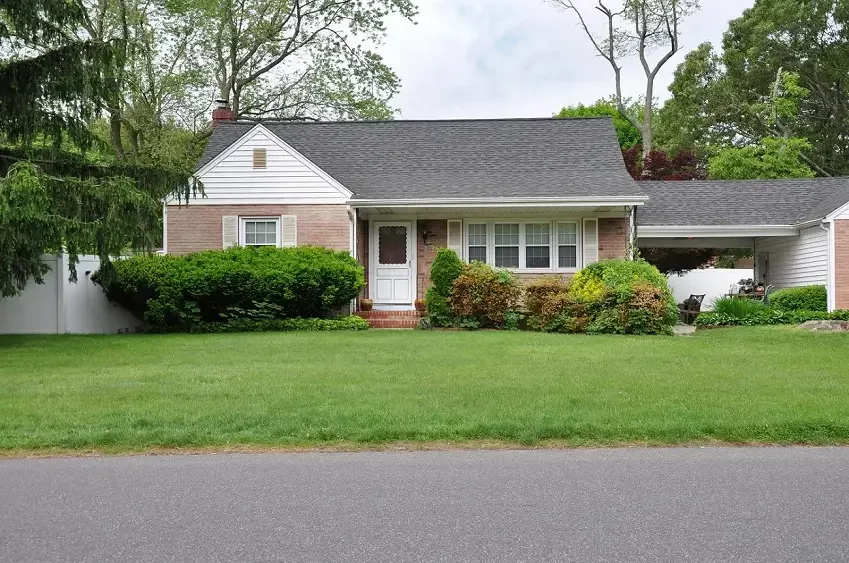
Selling a house while you’re in bankruptcy can feel daunting — especially when you need speed, clarity, and certainty. But yes — under many circumstances — you can sell your house during bankruptcy, even in Pennsylvania. How fast depends on a few key factors: the type of bankruptcy, court approval, your home equity, and how you choose to sell (traditional listing vs cash buyer).
If you’re in King of Prussia, PA — or the greater Montgomery County / Philadelphia area — this guide will walk you through what to expect: timelines, legal hoops, pros & cons, and how to maximize your outcome under time pressure.
Understanding Bankruptcy and Its Impact on Homeownership
To know how fast you can sell, you first need to understand how bankruptcy works — especially under the two most common filings for individuals: Chapter 7 Bankruptcy and Chapter 13 Bankruptcy.
Chapter 7 vs. Chapter 13 — What’s the Difference?
| Aspect | Chapter 7 | Chapter 13 |
|---|---|---|
| Basic Description | “Liquidation” — debts discharged in exchange for giving up non‑exempt assets. | “Reorganization/wage-earner plan” — debts repaid over time (usually 3–5 years). |
| What happens to your home | If you have non‑exempt equity, the bankruptcy trustee may sell the house. | You may keep the home — but selling requires court/trustee approval and possibly affects your repayment plan. |
| Ability to sell on your own | Possible, but sale proceeds go through trustee/estate review. | Allowed — but must get prior court permission before listing or closing sale. |
How bankruptcy affects your home depends heavily on:
- Whether there’s significant equity (after mortgage, liens, costs) beyond the allowed exemptions.
- Whether you’re in Chapter 7 (liquidation) or Chapter 13 (reorganization).
- Whether you — or the trustee — decide selling the home benefits creditors or helps you complete the bankruptcy plan.
In Pennsylvania (where King of Prussia is), it’s common for Chapter 13 filers to keep their homes — especially if they can catch up on mortgage arrears via a repayment plan. On the other hand, Chapter 7 may lead to a trustee‑led sale if equity isn’t protected. For more information about how your home could be impacted by Chapter 7 bankruptcy, check out this guide on Nolo.
How Fast Can You Sell Your House in Bankruptcy?
There’s no “one‑size‑fits‑all,” but typical scenarios give you a rough idea: selling under bankruptcy tends to take longer than a quick cash sale, but under certain conditions it can still be reasonably fast. The key is what kind of bankruptcy, how streamlined the sale is, and whether the courts/trustee cooperate.
Typical Timeline Estimates
| Bankruptcy Type | Estimated Time to Sell | Key Influencing Factors |
|---|---|---|
| Chapter 7 | A few weeks to a couple of months (if equity is non‑exempt and no complications) | Trustee review, asset valuation, lien/mortgage payoff, possible objections or complications |
| Chapter 13 | Several weeks to a few months — often longer | Need for court/trustee approval, amended repayment plan, sale proceeds distribution, lien clearance |
Important caveats:
- Selling during bankruptcy may be slower than a standard cash/quick sale, because of legal oversight, trustee or creditor reviews, and required paperwork.
- If the home has liens, mortgage arrears, or other debts attached — or if the property needs repair — that can complicate and prolong sale.
- On the flip side: aligning with a cash buyer (investor) experienced with bankruptcy‑sales can speed things up compared to traditional listing with financing delays.
So: “fast” in bankruptcy is relative — but under favorable conditions, a house sale can be completed in weeks to a few months rather than dragging out for years.
Steps to Sell Your House in Bankruptcy (in King of Prussia, PA)
If you’re considering selling during bankruptcy, here is a practical roadmap to follow — as clear as possible so you or a visitor reading your article can take action.
Step 1: Review Your Bankruptcy Case & Consult an Attorney
- Identify which bankruptcy chapter you are under (7 or 13).
- If Chapter 13: realize that selling requires court/trustee permission — you’ll need to file a motion for permission to sell real property explaining sale price, how proceeds will be used, and listing creditors/lien holders.
- If Chapter 7: the bankruptcy trustee may control the sale. But if your home equity is protected under applicable exemptions, you may negotiate to retain exempt equity.
- Make sure all mortgage, lien, and creditor information is current — any inaccuracies or surprises can derail or delay sale approval.
Step 2: Determine Your Home’s Market Value & Equity
- Get a professional appraisal or comparative market analysis (CMA) — especially useful if your home is in an active real estate area like King of Prussia / Montgomery County.
- Subtract outstanding mortgage(s), liens, closing costs, and any sale-related expenses. What remains is your equity.
- Compare equity against what might be exempt under federal or state bankruptcy law (especially if Chapter 7) to see what part is safe from creditors.
Step 3: Seek Court / Trustee Approval (If Required)
- For Chapter 13: file a motion to sell property. Provide sale price, buyer info (if known), and plan for sale proceeds. Allow creditors/trustee time to object or approve.
- For Chapter 7: if the trustee is handling the estate, coordinate with them — sometimes they sell, sometimes you may buy out equity (depending on exemptions).
- Be ready for delays — court schedules, trustee review, liens, appeals, or objections can add weeks.
Step 4: Decide How to Sell — Traditional Listing vs Cash / Investor Sale
| Method | Pros | Cons / Considerations |
|---|---|---|
| Traditional Listing (realtor, open market) | Potentially highest sale price | Slow: inspections, buyer financing, contingencies — risky under bankruptcy timeline |
| Cash Buyer / Real Estate Investor | Fast, often “as-is,” minimal repairs, quick closing | Possibly lower price; sale still subject to court/trustee approval |
For homeowners in bankruptcy needing speed, selling to a cash buyer or investor often offers the best balance between speed and simplicity. It reduces risk of financing delays or deal fall-through — valuable when timing matters.
Step 5: Close Sale, Settle Liens & Distribute Proceeds
- After sale, proceeds go first to secured creditors (like mortgage).
- Any exempt equity (per bankruptcy exemptions) may be returned to you — but surplus proceeds beyond exemptions and liens typically go to unsecured creditors or to satisfy your bankruptcy obligations.
- Update your bankruptcy filings accordingly (for Chapter 13: submit modified plan or updated asset list).
Challenges & Common Issues When Selling Under Bankruptcy
Selling your home during bankruptcy isn’t always straightforward. Several pitfalls and challenges tend to recur:
- Court and Trustee Delays: Your sale hinges on trustee review or court approval — that adds unpredictability to the timeline.
- Equity/Exemption Complexity: Determining what equity you can protect under exemptions is often confusing. If miscalculated, you might lose more than expected.
- Liens and Creditor Claims: Outstanding mortgages, tax liens, or judgment liens complicate sale and distribution of proceeds. Each lien holder may need to be identified and paid off.
- Home Condition / Marketability: If the property needs repairs or the market is slow (e.g. in certain neighborhoods of King of Prussia), it may take longer to find a buyer.
- Sale Price vs Speed — Tradeoff: A quick cash sale might fetch a lower price than a traditional listing — but under bankruptcy, speed may be more important than maximum profit.
Because of all this, it’s crucial to weigh your priorities carefully: Do you need to get out fast (e.g. to avoid foreclosure, reduce debt burden)? Or do you prefer to wait for a higher sale price?
Can You Sell Quickly and Still Get a Fair Price?
Short answer: Yes — under the right circumstances and with the right approach, you can balance speed and value.
Here’s how:
- Target cash buyers or investors familiar with bankruptcy sales. They often buy “as-is”, don’t require financing contingencies, and close fast.
- Be realistic about price. Accept a slightly discounted price for the speed and convenience — sometimes that tradeoff is worth it.
- Prepare full documentation upfront. Mortgage payoff statements, lien info, home disclosures, appraisal — having everything ready helps expedite court/trustee review.
- Communicate with your attorney early. If you’re in Chapter 13, a well‑drafted motion to sell increases your odds of speedy approval.
- Understand local market dynamics in King of Prussia, PA. Being realistic about comparable home values, demand, and local economic conditions helps you set realistic expectations.
A helpful comparison:
| Feature | Cash Buyer / Investor Sale | Traditional Sale |
|---|---|---|
| Time to Close | Often 7–30 days (after court approval) | 30–90 days or longer |
| Condition Required | “As‑is” — repairs often not required | May require repairs, staging, inspection |
| Uncertainty | Lower (no financing fall-through) | Higher (mortgage delay, inspection issues) |
| Sale Price | Often lower than full market comparable | Often higher — but slower and more uncertain |
For many bankruptcy homeowners — especially those needing speed — the cash/investor route is often the most practical path forward.
Local Considerations: King of Prussia, PA & Pennsylvania Bankruptcy Laws
Because your house is in King of Prussia, Pennsylvania, there are some local/state-specific factors worth highlighting:
- Pennsylvania bankruptcy follows federal law, but exemptions and processes can vary by state.
- In many PA Chapter 13 filings, homeowners use the bankruptcy’s protection to avoid foreclosure and stay in their home — but selling remains an option if life changes.
- When selling under bankruptcy in PA, you must file a motion for permission to sell property, listing sale price, creditors, lien holders, and intended use of proceeds — and wait for objections or approval.
- House values and demand in King of Prussia (close to Philadelphia, good transport links) may help with sale speed — but condition, liens, and market fluctuations still apply.
Because each county or even ZIP‑code market can differ, it’s smart to get a local appraisal or consult a real‑estate professional familiar with bankruptcy-related sales in Montgomery County.
For an in-depth understanding of Pennsylvania’s bankruptcy laws, including exemptions and specific filing rules, visit Nolo’s guide on filing bankruptcy in Pennsylvania.
What This Means for You — Realistic Expectations & Strategy
If I were advising a homeowner in King of Prussia, PA who needs to sell a house while in bankruptcy and wants it done “as fast as reasonably possible,” here’s what I’d suggest:
- Consult a bankruptcy attorney first — you need clarity on whether your filing is Chapter 7 or 13, what exemptions apply, and whether the trustee or court will permit a sale.
- Line up a cash buyer or real‑estate investor familiar with bankruptcy sales — this maximizes chances for a quick, uncomplicated sale.
- Prepare all paperwork in advance — appraisal, mortgage payoff, lien info, disclosure documents, etc. The faster you file for permission (if required), the faster you can move.
- Be ready to sell at a slight discount — the priority is speed and certainty, not maximum profit.
- Have a backup plan — sometimes court delays or creditor objections can slow things. Consider your timeline flexibly.
With this approach, you may be able to complete the sale in a few weeks to a few months. That’s often a significant improvement compared to pushing through a traditional sale under financial stress or waiting for bankruptcy discharge.
FAQ — Common Questions & Quick Answers
Q: Can I sell my house while in bankruptcy?
Yes — but only if you follow the legal procedures. For Chapter 13, you must get court approval. For Chapter 7, the bankruptcy trustee must approve and handle proceeds.
Q: Will I lose all equity from my home?
Not necessarily. If your home equity falls under exempted limits, you may protect some or all of it (especially under Chapter 7). But anything beyond exemptions — after mortgage, liens, costs — will likely go to creditors or to satisfy bankruptcy obligations.
Q: Is it faster to sell to an investor or via traditional listing?
Typically, selling to a cash investor is faster. It avoids financing delays, reduces need for repairs or staging, and can close “as‑is” once court/trustee approval is secured.
Q: Could selling complicate my bankruptcy case?
Yes — if you skip required steps (motion, trustee notice), or mis-handle equity/liens, sale may be delayed or disallowed. Always coordinate with your attorney.
Conclusion
Selling your house during bankruptcy — even in a place like King of Prussia, PA — is challenging, but it’s possible. Under the right conditions and with proper planning, you can often complete a sale in a matter of weeks to a few months. The speed depends on your bankruptcy type, the cooperation of the court/trustee, how prepared you are, and whether you use a fast‑closing route (like a cash buyer).
If you need to get out quickly — to avoid foreclosure, get debt relief, or just start fresh — a cash/investor sale combined with timely legal steps might be your best bet. On the other hand, if you want to maximize value and can afford a bit more time, a traditional sale might yield a higher return.
At the end of the day: understand your bankruptcy status, get good legal advice, be realistic, and plan ahead. Selling under bankruptcy doesn’t always mean “fast and easy,” but with the right strategy, it can be done — and done well.
Property Buyer Today is here to help you through the process, offering a quick, hassle-free solution for homeowners in bankruptcy who need to sell fast and move forward. Contact Property Buyer Today today to explore your options and get a fair cash offer.