
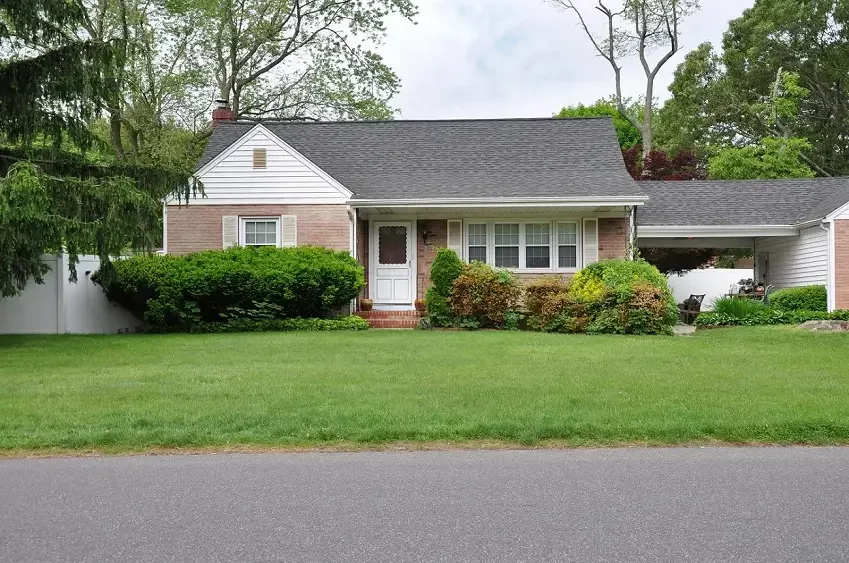
Introduction: The Benefits of Downsizing in Plymouth Meeting, PA
Downsizing is becoming a popular choice for homeowners in Plymouth Meeting, PA, particularly for those looking to streamline their lives, cut down on expenses, and reduce the overall maintenance burden of larger homes. Whether you’re retiring, looking to minimize living expenses, or simply want a smaller, easier-to-manage property, downsizing offers a variety of advantages.
When deciding to downsize, one of the most important considerations is how to sell your current home. Selling your home, especially in a market like Plymouth Meeting, can be both exciting and overwhelming. It involves various steps, each requiring thoughtful planning and preparation. This comprehensive guide will walk you through the essential aspects of selling your home to downsize, including how to prepare your property for sale, the best ways to value your home, choosing the right selling method, and tips for managing the entire process smoothly.
By the end of this guide, you’ll have a clear understanding of what it takes to successfully sell your home and transition to a more manageable living space.
Step 1: Understand the Reasons for Downsizing

Before diving into the practical aspects of selling your home, it’s important to reflect on why you’re downsizing. Downsizing can be triggered by a variety of life circumstances, and understanding your motivation will help you make more informed decisions throughout the process. Here are the most common reasons why homeowners in Plymouth Meeting opt for downsizing:
1.1 Retirement or Lifestyle Change
As you approach retirement, you might want to enjoy more freedom, less stress, and more manageable living conditions. A smaller home can make this transition easier, with fewer chores, reduced maintenance costs, and lower utility bills. Whether you’re looking for a home closer to family or simply want to reduce your living space, downsizing allows you to spend your time and resources more efficiently.
1.2 Financial Savings
Many people choose to downsize for financial reasons. The larger the house, the higher the associated costs. Downsizing can result in a significant reduction in mortgage payments, property taxes, maintenance expenses, and utility costs. By selling your current home and purchasing a smaller property, you can free up cash for savings, investment, or other financial goals.
1.3 Low Maintenance & Less Upkeep
The upkeep required to maintain a large home is often a major burden for homeowners. From mowing the lawn to managing multiple rooms, it’s easy to become overwhelmed. Downsizing to a smaller, more efficient home means less time spent on maintenance tasks, freeing you to focus on activities you truly enjoy. Additionally, with a smaller home, repairs are often more affordable and less frequent.
1.4 Closer to Family or Amenities
For some, downsizing is a way to relocate closer to loved ones or improve access to essential services. Whether it’s moving to a community that’s closer to family or a smaller home that’s more accessible to shops, hospitals, and transportation options, downsizing offers the freedom to choose a location that suits your current lifestyle needs.
Step 2: Prepare Your Home for Sale
Once you’ve made the decision to downsize, it’s time to prepare your home for sale. A well-prepared house is more likely to attract buyers and sell quickly at a competitive price. Here’s how to get started:
2.1 Declutter and Organize
Decluttering is one of the most important steps in preparing your home for sale. A clean, organized house not only looks better but also allows potential buyers to envision themselves in the space. To get started:
- Sort through your belongings: Go room by room and decide what to keep, donate, or sell. Consider downsizing your belongings to match the smaller home you plan to move into.
- Remove personal items: Personal photos, collectibles, and memorabilia should be stored away. The goal is to create a neutral space that helps potential buyers imagine the home as their own.
- Focus on key spaces: The kitchen, living room, and bathrooms are the most important areas to declutter and stage, as they are often the most scrutinized by potential buyers.
2.2 Perform Necessary Repairs
Before listing your home, take the time to evaluate its condition and address any necessary repairs. Minor fixes can significantly enhance your home’s appeal and increase its market value. Here are some repair tips:
- Make high-impact repairs: Focus on fixing issues like cracked windows, leaks, or chipped paint that might turn off potential buyers. You may also want to touch up any visible scratches or dings on walls or woodwork.
- Improve curb appeal: First impressions matter. A well-maintained lawn, clean driveway, and fresh front door paint can significantly improve the appearance of your home.
- Fix functional issues: Check if the heating or cooling system is working properly, the plumbing is functional, and the electrical systems are up to code. Fix any malfunctioning fixtures to make your home move-in ready.
2.3 Stage Your Home for Maximum Appeal
Home staging is a powerful tool that can make your property stand out. Staging helps potential buyers see your home’s potential while making it easier for them to imagine their own belongings in the space. Here’s how to stage your home effectively:
- Neutralize colors: Opt for neutral tones like beige, gray, or light pastels to create a warm and welcoming atmosphere.
- Highlight key features: If your home has desirable features like a fireplace or large windows, make sure they are highlighted during staging. Consider arranging furniture to draw attention to these focal points.
- Professional staging: If you’re unsure of how to stage your home, consider hiring a professional home stager who can maximize the appeal of your property.
Step 3: Determine Your Home’s Value
An essential part of the selling process is determining your home’s value. Setting the right price ensures that your property will sell quickly and for the best possible price. There are several ways to determine your home’s value:
3.1 Conduct a Comparative Market Analysis (CMA)
A Comparative Market Analysis (CMA) is a report that compares your home to similar properties in your area that have recently sold. It helps you get a realistic idea of how much your home is worth. To conduct a CMA:
- Use an agent: Real estate agents offer CMA reports for free. They will compare your home to others that are similar in size, age, and condition.
- Look for local data: Research local market trends in Plymouth Meeting. How quickly are homes selling? Is the market experiencing a seller’s or buyer’s market?
Step 4: Decide on the Best Selling Method
When it comes time to sell your home, you need to choose the best method based on your priorities, such as time, effort, and financial goals. There are two main selling methods: selling with a realtor and selling directly to a cash buyer.
4.1 Selling with a Realtor
Listing your home with a real estate agent is the traditional way to sell. Here’s what you need to know:
- Pros of working with an agent:
- Market exposure: A real estate agent will list your home on the MLS, which gives it visibility to a larger pool of buyers.
- Negotiation expertise: Realtors are skilled negotiators who can help you get the best price for your home.
- Guidance through the process: Your agent will handle all the paperwork, legal aspects, and the logistics of the sale, providing peace of mind during what can be a complex process.
- Cons of working with an agent:
- Commissions: You’ll need to pay your realtor’s commission, typically 5-6% of the sale price.
- Time on market: It can take several weeks or even months to find the right buyer. The process is slower than a cash sale.
- Repairs and showings: You may need to make repairs and keep your home in show-ready condition throughout the process.
4.2 Selling to a Cash Buyer
Selling your home to a cash buyer is a quicker, simpler alternative. Here’s how this method compares:
- Advantages of a cash sale:
- Quick closing: Cash buyers can close the deal in as little as 7-14 days, which is much faster than traditional buyers who rely on financing.
- No repairs: Cash buyers typically purchase homes as-is, meaning you don’t need to invest time or money into repairs.
- No realtor commissions: By avoiding a realtor, you save money on commissions and fees.
- Tax implications: When selling for cash, it’s important to consider potential tax consequences, especially if the home has appreciated in value. You may be liable for capital gains tax unless exemptions like the Primary Residence Exclusion apply. For more details, check out the IRS guide on tax considerations when selling a home.
- Disadvantages of a cash sale:
- Lower offers: Cash buyers may offer less than you would get with a traditional buyer, as they’re looking for a deal.
- Less flexibility: There is less room for negotiation in a cash deal compared to a traditional sale.
Step 5: What to Expect During the Selling Process
Once you’ve prepared your home and decided on the best selling method, it’s important to know what to expect during the selling process. This helps manage your expectations and ensures a smoother experience.
5.1 Timing the Sale
In Plymouth Meeting, like many other areas, the best time to sell a home is typically during the spring and summer months when buyers are more active. However, selling in the off-season (fall or winter) can still be successful if you price your home competitively and market it well.
5.2 Understanding Offers
When you receive offers on your home, carefully evaluate them. Key factors to consider include:
- Cash vs. financed offers: Cash offers are often more attractive because they come with fewer contingencies and a faster closing process.
- Contingencies: Offers with contingencies (such as financing or inspections) may take longer to close and could complicate the sale.
In both cases, you should also consider the closing costs associated with each offer. These costs can vary significantly depending on the type of sale and the buyer’s situation. To better understand what to expect, check out Zillow’s guide to closing costs, which provides valuable insights into what fees and charges to anticipate during the sale process.
Frequently Asked Questions (FAQs)
Q. How do I sell my house for cash in Plymouth Meeting, PA?
Answer:
Selling your house for cash in Plymouth Meeting is a quick process. You can contact cash home buyers, who will evaluate your property, make an offer, and close within days with no need for repairs or agent commissions.
Q. What is the best time to sell a house in Plymouth Meeting?
Answer:
The best time to sell a house in Plymouth Meeting is typically during the spring and summer months when the market is more active. However, selling in off-peak seasons can also be successful with the right pricing and marketing strategies.
Q. How much can I sell my house for in Plymouth Meeting, PA?
Answer:
Your home’s value in Plymouth Meeting depends on factors like location, size, condition, and the local market. A Comparative Market Analysis (CMA) can help determine a competitive price based on similar homes that have sold recently.
Q. How do I prepare my home for sale when downsizing?
Answer:
Start by decluttering and organizing your home, focusing on high-traffic areas like the kitchen and living rooms. Make necessary repairs, improve curb appeal, and consider staging to make your home more appealing to buyers.
Q. Should I sell my house through a realtor or directly to a cash buyer?
Answer:
Selling through a realtor provides more exposure but involves commissions and may take longer. Selling to a cash buyer is faster, involves fewer contingencies, and eliminates the need for repairs, but the offer may be lower.
Q. Can I sell my house in Plymouth Meeting as-is?
Answer:
Yes, you can sell your house as-is, especially if you’re selling to a cash buyer. Cash buyers often purchase properties in their current condition, saving you time and money on repairs before the sale.
Conclusion: Ready to Downsize in Plymouth Meeting?
Downsizing your home in Plymouth Meeting, PA offers several benefits, including financial freedom, reduced maintenance, and a more manageable lifestyle. By carefully preparing your home for sale, accurately determining its value, and choosing the right selling method, you can make the process as smooth as possible. Whether you choose to sell through a realtor or work with a cash buyer, the goal is to find the best option for your needs.
At Property Buyer Today, we specialize in helping homeowners like you sell their homes quickly and efficiently, without the hassle of traditional listings. Whether you need to downsize due to retirement, financial reasons, or simply to simplify your life, we offer a seamless cash home buying process. Our team ensures that you can sell your home as-is, close on your timeline, and move forward with confidence.
Take the time to evaluate your priorities and choose the path that works best for you. With careful planning and the support of Property Buyer Today, you can successfully downsize to a new home that better fits your lifestyle and goals. Contact us today to learn more about how we can assist you in your downsizing journey!