
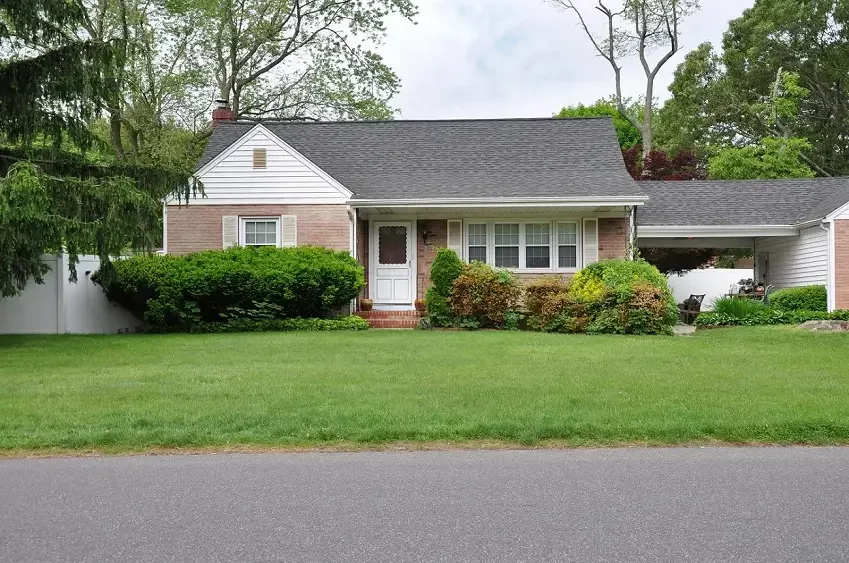
Inheriting a property can be both an emotional and financial responsibility. If you inherit a house in Philadelphia, and it comes with tenants, the situation can become more complex. Selling an inherited house that is already occupied by tenants requires careful consideration of various legal, financial, and practical factors. It’s important to understand your options, obligations, and the steps involved. This comprehensive guide will help you navigate the process of selling an inherited house with tenants in Philadelphia, PA.
Understanding the Basics of Inheriting a House with Tenants
What Does It Mean to Inherit a Property?
Inheriting a property means that you have legal ownership of a real estate asset after someone passes away. The process usually involves probate, a legal procedure where a deceased person’s assets are distributed to their heirs. If you inherit a house, the property is transferred into your name as the beneficiary. This means you become responsible for the property, its maintenance, and any obligations attached to it, including any tenants who are occupying the home.
In Pennsylvania, the probate process can take several months, depending on the complexity of the estate. Once the property has been officially transferred to you, you’ll need to decide what to do with it, which may include selling the home. If there are tenants in the house, there are additional legal factors to consider before moving forward with the sale.
For a detailed guide to the probate process, check out the Nolo – Pennsylvania Probate: An Overview page.
What to Expect When You Inherit a Property with Tenants
Inheriting a property with tenants means that you inherit not only the property but also the legal obligations tied to the rental agreement. This includes respecting the terms of the tenants’ leases and understanding tenant rights under Pennsylvania’s landlord-tenant laws. Even though you are the new property owner, tenants have legal protections, and you cannot make arbitrary changes to their lease without following the law.
Under Pennsylvania law, tenants are protected from unfair eviction and require specific legal procedures to be evicted. The terms of any existing lease agreements continue to bind the tenants, so if they have a lease with the deceased owner, it still stands. You will need to honor those leases until they are legally terminated or expire.
Evaluating Your Options for Selling an Inherited House with Tenants

Once you inherit a property with tenants, you will need to decide whether you want to sell the house with tenants still in place or if you wish to evict them before the sale. Each option comes with its advantages and challenges. It’s crucial to evaluate all possibilities to make the right decision for your situation.
Selling the Property with Tenants Still in Place
One option is to sell the property while the tenants are still occupying the house. Selling the property with tenants in place can be convenient, especially if the tenants are current on rent and are not causing any issues. By selling the property with tenants, you can avoid the time and expense of evicting them, which can be a lengthy and costly process.
Selling with tenants may appeal to cash buyers or real estate investors, especially those interested in rental properties. These buyers are often willing to purchase properties with tenants in place because they are typically investors who want rental income or long-term leases. Cash buyers, in particular, are often more flexible about tenant occupancy and less concerned with the property’s condition.
Advantages:
- Saves time and money by not having to evict tenants.
- Attracts investors or buyers who are specifically looking for rental properties.
- You may receive consistent rental income if tenants stay in place.
Disadvantages:
- Potentially fewer buyers, as many individuals looking for a home may not want to deal with tenants.
- Limited control over when the property will be vacant, potentially delaying the sale.
- Possible issues with tenants not cooperating or having a problematic lease.
Selling the Property After Evicting Tenants
Evicting the tenants before selling the property can help open up the property to a broader range of buyers. Many buyers, especially owner-occupants, prefer to purchase a home that is vacant, as it allows them to move in immediately and avoid dealing with tenants. If the tenants are causing problems, have an unfavorable lease, or you simply prefer a vacant property, eviction may be the right choice.
The eviction process in Philadelphia involves several legal steps and can take time. In Pennsylvania, landlords must follow specific procedures when evicting tenants, including providing proper notice and, if necessary, going through the court system. Eviction is typically a time-consuming process that can take anywhere from a few weeks to several months, depending on the circumstances.
Advantages:
- Greater buyer pool since vacant homes are more attractive to owner-occupants.
- No issues with tenant disputes or lease concerns after eviction.
- Increased flexibility for future property improvements, showings, and repairs.
Disadvantages:
- The eviction process can take a long time and may be expensive if legal fees are involved.
- You will need to deal with the legal and emotional aspects of evicting tenants.
- Costs associated with relocating tenants or offering incentives for them to move out early.
Choosing to Sell to Cash Buyers vs. Traditional Market
When selling an inherited house, you’ll need to decide whether to list it with a real estate agent or sell it directly to a cash buyer. Both methods have their pros and cons, especially when dealing with a property that has tenants.
Traditional sales, which involve listing the property on the market with a real estate agent, may take longer and may be complicated if tenants are involved. Real estate agents may have a harder time showing the house if the tenants are still living there, and potential buyers may be hesitant to purchase a property with tenants in place.
Alternatively, cash buyers, often real estate investors, are typically more interested in buying houses with tenants. They can close the sale quickly, usually without the need for repairs or showings. Cash buyers are often willing to purchase properties as-is, which means you don’t need to make any changes or negotiate repairs. They may also be more flexible with tenant occupancy.
Advantages:
- Traditional sales may allow you to fetch a higher sale price if the market is favorable.
- Cash buyers offer quick closings, often within a week or two.
- Cash sales involve fewer contingencies and less hassle.
Disadvantages:
- Traditional sales take longer and may involve multiple showings and inspections.
- Cash buyers typically offer less than market value, though the trade-off is a faster, more certain sale.
- Cash buyers may not always be available, depending on the market.
If you’re interested in selling your inherited house quickly and are considering selling to cash buyers, check out our detailed guide on How to Sell an Inherited House Fast in Pennsylvania.
Legal Considerations for Selling an Inherited House with Tenants
Before proceeding with the sale, it’s crucial to understand the legal framework surrounding landlord-tenant relationships in Philadelphia, especially if tenants are involved.
Understanding Tenant Rights in Pennsylvania
Tenants in Pennsylvania have several rights that must be respected, even after an inheritance. Some key rights include:
- Right to privacy: Tenants are entitled to peaceful enjoyment of the property and cannot be arbitrarily disturbed.
- Right to habitable living conditions: Landlords are required to maintain the property and ensure it is habitable.
- Right to proper notice: Tenants must receive written notice if a landlord intends to enter the property or evict them.
If you inherit a property with tenants, you must continue to honor these rights until the lease is legally terminated.
For more detailed information about landlord‑tenant laws and tenant rights in Pennsylvania, see the Nolo overview of Pennsylvania landlord‑tenant laws.
Do You Need to Honor Existing Leases?
In most cases, if the tenants have a valid lease agreement, you must honor its terms. This includes honoring the rent amount, lease duration, and any other clauses specified in the contract. The lease remains in effect even though you are the new owner. However, you have the option to negotiate with the tenants to terminate the lease early if both parties agree, or you can offer them an incentive to vacate voluntarily.
The Importance of Proper Notice
Proper notice is crucial when dealing with tenants. If you wish to evict tenants, you are required by law to provide a proper notice of eviction, typically 30 to 60 days, depending on the terms of the lease. Failure to provide the correct notice can result in legal complications and delays. Always ensure that you follow the proper legal procedures when notifying tenants of any changes.
The Process of Selling an Inherited House with Tenants
The process of selling an inherited house with tenants in place involves several key steps. Here is an overview of the typical process:
| Step | Action | Timeline | Notes |
|---|---|---|---|
| Step 1 | Review the Lease Agreement | 1-2 days | Understand the terms of the existing lease. |
| Step 2 | Decide Whether to Sell with Tenants | 1 week | Consider pros and cons of selling with tenants. |
| Step 3 | Consult with an Attorney | 1-2 weeks | Ensure compliance with landlord-tenant laws. |
| Step 4 | Get the Property Appraised | 1 week | Have the property appraised to determine its market value. |
| Step 5 | Market the Property or Approach Cash Buyers | 1-2 months | Decide whether to sell traditionally or to a cash buyer. |
Handling Tenant Concerns During the Sale Process
Effective communication with tenants is essential throughout the sale process. Here are some ways to handle tenant concerns:
Communicating with Tenants about the Sale
It’s important to notify tenants as soon as possible about the sale of the property. Be transparent about the timeline, your intentions, and how the sale may affect them. Providing tenants with as much notice as possible can help prevent misunderstandings and ensure a smoother process.
Can You Negotiate with Tenants to Move Out?
If you decide to sell the property without tenants, you may consider negotiating with them to vacate early. Many landlords offer “cash for keys,” where tenants are paid to leave the property early. This can be an effective way to avoid a lengthy eviction process and ensure that the property is vacant for a smooth sale.
Financial Considerations When Selling an Inherited House with Tenants
How Taxes Affect the Sale of an Inherited Property
Selling an inherited property may have tax implications. In Pennsylvania, inheritance tax is typically due on the property, and the federal government may impose capital gains taxes on any profit made from the sale. However, if the property has appreciated in value, you may qualify for a capital gains tax exemption.
Costs Associated with Selling a Property with Tenants
Selling a property with tenants may incur additional costs, such as eviction costs, repair fees, and real estate agent commissions. However, selling to a cash buyer can eliminate some of these costs and speed up the process.
Timing: How Long Does It Take to Sell an Inherited House with Tenants?
The timeline for selling an inherited house with tenants depends on various factors, including the market, tenant cooperation, and whether eviction is necessary. It’s important to factor in the time it may take to handle tenant issues when planning the sale.
Factors That Influence Sale Speed
Several factors can influence how quickly the property sells, including the housing market conditions in Philadelphia and the property’s condition. Additionally, if tenants need to be evicted, the process could take longer.
How Long the Eviction Process Takes in Philadelphia
The eviction process in Philadelphia can take several weeks or even months. It involves filing a formal complaint, attending court hearings, and providing tenants with the appropriate notice. This can delay the sale process, so it’s essential to factor in this timeline when making decisions.
Frequently Asked Questions (FAQs)
Q1: Can I sell an inherited property with tenants still living there in Philadelphia?
Yes, you can sell an inherited property with tenants in Philadelphia. Cash buyers or real estate investors are often interested in properties with tenants, but it may limit your pool of potential buyers.
Q2: How can I get tenants to move out if I want to sell in Philadelphia?
You can negotiate a “cash for keys” deal in Philadelphia, offering tenants a payment to vacate early. Alternatively, you may pursue eviction through the proper legal channels in Pennsylvania.
Q3: Will I pay taxes on the sale of an inherited house in Pennsylvania?
Yes, you may be subject to capital gains tax on any profit from the sale, depending on the property’s appreciated value. Additionally, Pennsylvania charges an inheritance tax, which is based on your relationship to the deceased.
Q4: How long does the eviction process take in Philadelphia?
In Philadelphia, the eviction process typically takes several weeks to a few months, depending on tenant cooperation and legal steps involved. It includes providing notice, filing a case, and attending hearings.
Q5: Can I sell a property in Philadelphia if the tenants refuse to leave?
Yes, you can sell the property with tenants still in place in Philadelphia. However, tenant refusal may complicate the sale, and you may need to pursue formal eviction or offer incentives like “cash for keys.”
Q6: Are there any special legal requirements for selling an inherited house with tenants in Pennsylvania?
Yes, in Pennsylvania, you must adhere to specific landlord-tenant laws, including providing proper notice before entering the property, terminating the lease, or evicting tenants. Consult an attorney to ensure legal compliance.
Conclusion: Making the Best Choice for You
Selling an inherited house with tenants in Philadelphia involves navigating various legal and practical considerations. Whether you choose to sell the property with tenants or evict them first, it’s important to understand the rights of the tenants, the legal process, and the best options for selling.
Summary of Options for Selling an Inherited House
Selling an inherited house with tenants in Philadelphia offers multiple options, each with its own set of advantages and challenges. Selling with tenants in place can save time, but it limits your pool of potential buyers. Evicting tenants first can broaden your buyer pool, but it can be costly and time-consuming.
Tips for a Smooth Sale Process
- Communicate clearly with tenants.
- Seek legal advice to ensure compliance with all applicable laws.
- Consider working with a real estate professional or cash buyer to streamline the process.
If you’re ready to sell your inherited house in Philadelphia and want to explore your options, reach out to Property Buyer Today. We specialize in buying homes in any condition — with tenants or without — and can provide you with a fast, no-obligation cash offer. Let us help you navigate the sale of your inherited property, so you can move forward with confidence.