
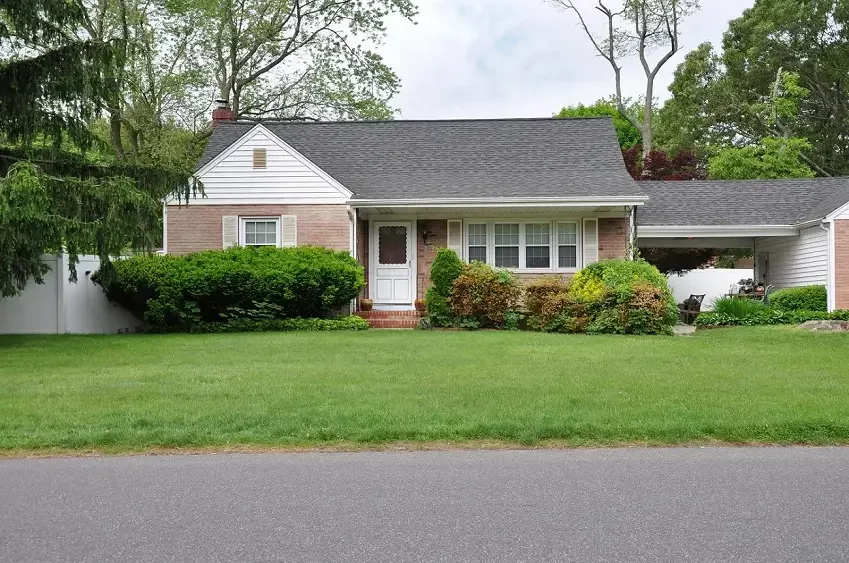
Owning a vacant house can seem like a harmless “in between” situation — maybe you moved, inherited the property, or plan to renovate later. But the reality is: leaving a house empty for too long often does more harm than good. In a town like Horsham, PA — where home values, local regulations, and community safety matter — a vacant home can become a financial burden, a liability, or a money pit.
If you’re thinking about selling such a property, this article will guide you step‑by‑step on how to sell a vacant house in Horsham, PA — and explain why acting sooner rather than later is usually the smart move.
Why Leaving a House Vacant Is Risky
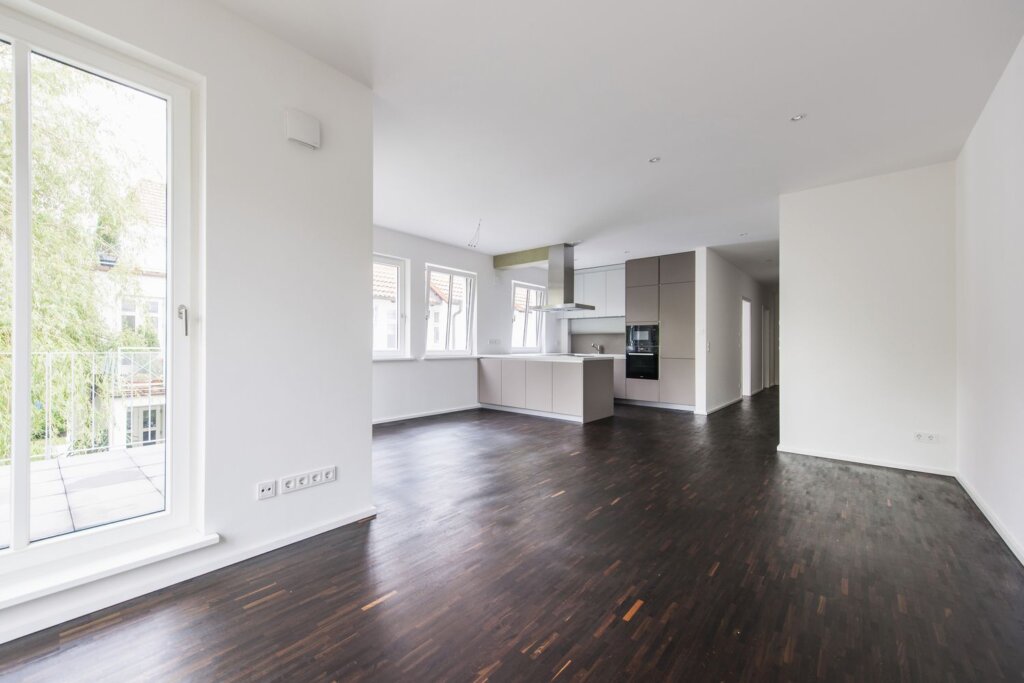
Vacant homes carry risks that many first‑time owners underestimate. Some dangers are obvious — like vandalism — others are hidden costs: maintenance, legal exposure, depreciation, and more.
1. Physical Risks & Damage
- Weather, wear and tear, and maintenance neglect: Empty houses suffer from lack of upkeep. Unheated houses in winter may develop frozen or burst pipes. Roof leaks go unnoticed, leading to water damage, mold, or structural issues. Over time, small maintenance issues accumulate into big, costly repairs.
- Pests and infestation: Rats, insects, termites, or other pests often target vacant houses. Without regular checks, infestations can damage wood, insulation, wiring — sometimes requiring major remediation.
- Vandalism, theft, or squatters: A vacant house — especially one that looks neglected — may attract trespassers, vandals, or squatters. Windows, doors, and fixtures might be broken; appliances or wiring stolen; graffiti or damage to interior walls; or even unauthorized occupancy.
These risks not only cause damage — they also reduce the home’s appeal, meaning when you eventually decide to sell, you may face heavy repair costs before you get a decent offer.
2. Financial Burden & Hidden Costs
Keeping a vacant house isn’t “free.” Even if no one lives there, costs continue piling up:
- Property taxes, insurance, utilities, and maintenance: Even empty, the house still needs to be insured, taxes still apply, and basic utilities may be recommended (e.g. to prevent frozen pipes or dampness). Over months or years, these costs accumulate and erode your equity.
- Potential fines or legal issues: In some areas, leaving a home vacant for extended periods may trigger local codes or ordinances against “abandoned or neglected” properties. That could result in fines, liens, or legal hassles. For example, if tenants have left personal belongings behind, Pennsylvania law governs how to deal with abandoned property under 68 P.S. § 250.505a, which lays out proper procedures for landlords and owners regarding abandoned personal property in rental homes
- Loss of market value / increased repair costs over time: The longer a house sits vacant, the more deterioration sets in — leading to lower offers when you try to sell. Some sources suggest vacant houses tend to sell for less compared to homes in good condition.
In other words: every month your house sits empty, it’s not just sitting — it’s bleeding value.
3. Difficulty Selling a Vacant House with a Traditional Approach
Vacant homes often present unique challenges when listed on the traditional real‑estate market:
- Harder for buyers to “see themselves” living there: Empty rooms lack the warmth and lived‑in feel that help buyers emotionally connect with a home. Many buyers struggle to imagine their own furniture, lifestyle, or family routines inside an empty, sterile house. This reduces buyer interest and often prolongs the time on market.
- Minor flaws become very visible: With no furniture or personal touches, even small issues — peeling paint, minor cracks, unclean floors — stand out. These small imperfections may discourage buyers who expect move-in ready homes.
- Inspections, repairs, and uncertainty before closing: Buyers using traditional mortgages or financing often require the house to be in good condition. That triggers inspections, which can flag problems; then repairs become necessary — meaning you might spend thousands just to get the house sellable.
Because of these factors, selling a vacant house via traditional sales channels can be slow, uncertain — and expensive.
Why Selling a Vacant House Quickly (Especially for Cash) Often Makes Sense
Given the risks and costs of keeping a home empty, for many owners, a quick sale can be the smart path. Here’s why:
Less Time Unoccupied = Less Risk
Every day a house stays vacant increases the chances of damage, vandalism, or maintenance failure. Selling fast — especially to a buyer ready to close quickly — cuts that risk short.
Avoid Ongoing Costs
By selling sooner, you stop the monthly drain of taxes, insurance, utilities, and general upkeep. That can save thousands — money you’d otherwise just throw at a house you’re not using.
Simplified Process (No Repairs, No Staging)
If the house needs repairs, cosmetic fixes, or staging to attract traditional buyers, costs and effort go up fast. But many buyers — especially cash buyers or investors — are willing to buy as-is. That means no repairs, no painting, no cleaning beyond basics.
Fast Closing & Certainty
Cash buyers don’t need mortgage approval; they often pay out directly and can close in days or a couple of weeks. That’s ideal if you’re motivated to sell quickly — whether due to financial pressure, relocation, or wanting to avoid the risks of vacancy.
Selling a Vacant House in Horsham, PA — Step by Step
If you’ve decided to sell your vacant house in Horsham, PA, here’s a practical roadmap to help you through it.
Step 1: Get a Realistic Valuation
• Hire a Professional Appraiser or Local Agent
Because vacant houses often have issues, it’s important to get a fair, honest appraisal. A pro will consider the home’s condition, neighborhood market, recent local sales, and any costs for likely repairs.
• Adjust Value Based on Condition & Market Realities
Don’t assume the house will sell for full “normal” value if it’s been vacant for a while. Factor in likely repair costs, lower buyer demand, possible price discounts — be conservative.
Step 2: Decide on Selling Strategy — Traditional Sale vs. Cash / As‑Is Sale
Here’s a comparison to help you choose:
| Selling Method | Pros | Cons |
|---|---|---|
| Traditional Sale | Potential for higher sale price; exposure to wide buyer pool; buyers may pay more for move‑in ready homes | Requires repairs, staging, ongoing costs during listing, uncertain timeline, possibility of deals falling through |
| Cash / As‑Is Sale | Fast, convenient, no repairs or staging required, you close quickly, avoid ongoing holding costs and risks | Sale price may be lower; buyers may negotiate steep discounts; less chance for bidding wars |
Given the risks and unseen costs of a vacant property, a cash/as‑is sale often makes sense — especially if you want to minimize hassle and sell quickly.
Step 3: Prepare the Property (Minimal Effort Strategy)
If you choose a cash or as‑is sale, you don’t need to go all out — but a little effort can still help.
- Secure the house: Make sure doors and windows lock properly; consider adding basic security (locks, motion‑sensor lights, surveillance signs) to deter vandals or squatters. This protects the property until sale.
- Keep basic upkeep: Even simple acts — mowing the lawn (if there’s a yard), trimming bushes, clearing debris — can improve curb appeal slightly and make a better impression on potential buyers.
- Clean up minimal mess: A dirty, messy, or obviously neglected interior gives a negative impression; even cash buyers may reduce offers if they anticipate major cleanup.
- Stage the House for a Quick Sale: Staging a home, even minimally, can make a huge difference in how buyers perceive the property. Homes that are staged tend to sell faster and often at higher prices. According to Redfin, staging a home helps create a welcoming, appealing environment, making it easier for potential buyers to imagine themselves living there. Even small touches — like adding furniture or decor — can make a big impact on buyers’ decisions.
Step 4: Market the Property — Emphasize Flexibility
Because many buyers shy away from vacant homes, your marketing angle should highlight the advantages that appeal to the right buyers:
- Market it as a fixer‑upper or investment opportunity — some buyers/investors seek homes they can renovate, rent, flip, or resell.
- Highlight “as-is, no need for repairs” — especially if you’re dealing with a cash buyer: this is often a big selling point for buyers willing to invest in renovation themselves.
- Be transparent about condition — honesty helps build trust. If buyers know the house needs work, they won’t be surprised; they can factor that into their offer.
Step 5: Accept Offers & Close — Fast if Possible
If you get offers, especially from cash buyers:
- Review carefully: Understand what’s included (as‑is, who pays closing costs, timelines).
- Try to choose a quick close: The longer the house remains unsold, the higher the risk you go back to holding costs, liability, or damage.
- After closing: Cancel insurance (if relevant), utilities, or other recurring costs tied to the vacant property — once the sale is done, you should walk away clean.
Step 6: What to Expect — Timeline & Costs
Here’s a broad comparison of what to expect between a traditional sale and a quick cash/as‑is sale for a vacant house:
| Process | Typical Timeline | Typical Costs / Risks |
|---|---|---|
| Traditional Sale | Several months (listing → showings → offers → inspections → repairs → closing) | Repairs, staging, holding costs (taxes, insurance), utilities, risk of no sale or low offers |
| Cash / As-Is Sale | A few weeks (depending on buyer and paperwork) | Often no repair costs, fewer or no closing costs (or shared), minimal holding costs, faster relief from liability / expenses |
For many sellers of vacant houses, the shorter timeline and lower ongoing costs make cash/as‑is sales a much more attractive — and practical — option.
Common Mistakes to Avoid When Selling a Vacant House
When selling a vacant house — especially as-is — there are common pitfalls. Avoiding them can save time and money.
- Overpricing the property: Expecting “full market value” when a house is vacant and possibly neglected is unrealistic. That often leads to extended time on market and wasted holding costs.
- Ignoring basic security and upkeep: Not boarding up windows or maintaining exterior can invite break-ins, vandalism, or code violations — which hurts the sale and can cost more later.
- Leaving clutter or trash inside: A dirty, messy, or obviously neglected interior gives a negative impression; even cash buyers may reduce offers if they anticipate major cleanup.
- Failing to be realistic about condition: Assume a vacant house needs reinspections or may have hidden problems — plumbing, HVAC, pests, structural issues — and price accordingly.
- Waiting too long: The longer you wait, the more risk and costs build up. Holding off hope for a “perfect buyer” often backfires and drains your equity.
Special Considerations for Horsham, PA (and Local Context)
If your vacant house is in Horsham, PA — or the surrounding area — there are a few additional things to watch out for:
- Local market demand: The demand for inhabited, move-in ready homes tends to be higher than for fixer-uppers. That means a vacant house may attract fewer traditional buyers, lengthening sale time.
- Local codes and ordinances: Some municipalities penalize or fine owners for properties left vacant too long. While not every vacant home triggers action, it’s wise to check local laws to avoid surprises.
- Insurance and liability: Vacant homes may require special insurance, or premiums might be higher — especially if the home is unoccupied for a long time. Starting a sale process reduces exposure to insurance risk.
Frequently Asked Questions (FAQs)
Q: Can I sell a vacant house “as-is” without doing any repairs?
A: Yes — many buyers, especially cash buyers or investors, are willing to purchase properties in “as‑is” condition. This is often the fastest, least expensive route.
Q: Will I get less money if I sell as-is / cash?
A: Likely yes — because buyers factor in the risks and cost of repairs, many as‑is offers are discounted. But when weighed against ongoing risks, maintenance costs, and possible value loss, a lower but quick sale may still be the best financial decision.
Q: How quickly can I close if I go with a cash buyer?
A: Often in a few days to a few weeks. Cash offers avoid lengthy mortgage underwriting, appraisal contingencies, and buyer financing delays.
Q: Are there legal or regulatory issues if a house stays vacant too long?
A: Possibly. Depending on local rules, vacant or abandoned properties may be subject to fines or other actions. It’s smart to check local ordinances if the house has been vacant for a long time.
Conclusion & What You Should Do Next
Owning a vacant house can feel like patience is paying off — maybe you’re waiting for the “right time” to sell, or hoping for a buyer who values the house’s full potential. But the risk, cost, and uncertainty of waiting often outweigh the upside.
If you own a vacant house in Horsham, PA (or close by), and want to avoid the maintenance headaches, legal liability, and ongoing expenses — the smart move is often to sell soon.
At Property Buyer Today, we specialize in buying houses for cash, including vacant properties. Selling to us means you can skip the hassle of repairs, inspections, and waiting around for buyers who may never show up. We offer fast, fair cash offers and close quickly, helping you move on with peace of mind.
Next steps you might take:
- Get a realistic appraisal to know where the home stands.
- Consider reaching out to Property Buyer Today for a quick, no‑obligation cash offer.
- Secure the house (locks, lights, basic upkeep) before marketing.
- Present the house honestly — highlight its potential rather than hide its flaws.
- Be prepared to act quickly; often a fast sale means avoiding more cost and risk.
In short: a vacant house isn’t just empty — it’s a liability. Moving fast can save you time, money, and stress — and Property Buyer Today is here to help you sell quickly and hassle-free.