
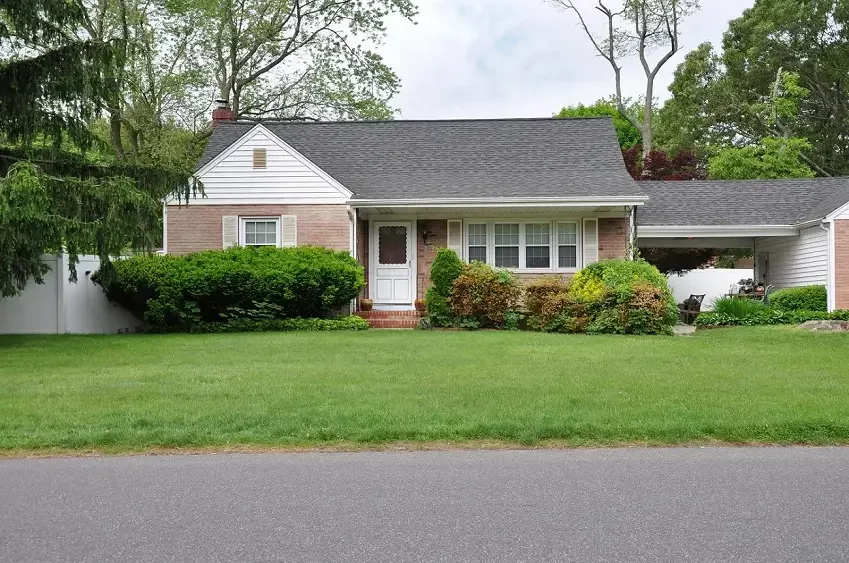
Selling a house can be a straightforward process, but when title issues come into play, it can quickly become complicated. Title issues can delay or even halt a real estate transaction, causing significant stress for homeowners who are looking to sell quickly. If you’re in Plymouth Meeting, PA, and facing title problems with your property, don’t worry—you still have options. This comprehensive guide will walk you through everything you need to know to sell a house with title issues successfully.
What Are Title Issues?

Before diving into how to sell a house with title issues, it’s important to understand what these issues are. A “title” refers to the legal ownership of a property, and when a house has title issues, it means there are problems with proving or verifying ownership. Title issues often arise from various factors, including unpaid debts, legal disputes, and incorrect documentation.
Common Types of Title Issues
1. Unpaid Liens
Liens are legal claims against the property for unpaid debts. The most common types of liens that can affect the title of your home include:
- Mortgage Liens: If there’s an outstanding mortgage on the property that hasn’t been paid off, the lender has a lien on the property.
- Tax Liens: These arise if the homeowner fails to pay property taxes, resulting in a lien placed by the local government.
- Mechanic’s Liens: Contractors or subcontractors who are not paid for their work on the property can place a lien on the home.
2. Ownership Disputes
Sometimes, the rightful owner of a property can be disputed, especially in cases where multiple parties claim ownership. This can happen due to inheritance issues, divorce settlements, or unclear property transactions. An ownership dispute can prevent a sale until the issue is resolved.
3. Title Defects from Inheritance
Inheritances can sometimes lead to title problems if the property was passed down without proper legal documentation or if the will was not executed correctly. These issues are often discovered when trying to sell the property, as the title may not have been properly transferred. For a deeper dive into Pennsylvania inheritance laws, check out this guide.
4. Fraudulent Deeds
Fraudulent deeds are a significant concern. In cases where someone sells a property under false pretenses or forges signatures, it can create serious legal issues down the line. A fraudulent deed can render a property unmarketable until the fraud is resolved.
Why Selling a House with Title Issues is Challenging
Selling a property with title issues in Plymouth Meeting—or anywhere else—can be tricky for several reasons:
Title Companies Won’t Insure the Transaction
Title companies are crucial in the closing process as they verify the legal ownership of the property. If there are title issues, a title company may refuse to issue title insurance to the buyer. Without title insurance, most lenders won’t approve the loan, making it difficult to sell the house to traditional buyers.
Lower Market Value
When there are title issues, it often results in the property being worth less than it would be otherwise. Potential buyers know that they will have to deal with the complications of title issues, so they may either pull out of the deal or offer a much lower price. Sellers may have to accept a lower offer than what they were hoping for.
Complicated Closing Process
The presence of title issues can lead to delays in closing. Buyers and sellers may need to navigate legal proceedings or deal with title professionals to clear the issues, all of which can extend the timeline significantly.
Can You Sell a House with Title Issues in Plymouth Meeting?
Yes, you can sell a house with title issues, but it requires careful planning and understanding of your options. There are a few different strategies you can consider when selling a property with title problems.
Options for Selling Your Home with Title Problems
1. Fixing the Title Issues
The most straightforward option is to work with a professional—typically a title company or a real estate attorney—to clear up the title issues before selling the home. This option works best when the problems are minor and can be resolved quickly.
2. Selling As-Is to a Cash Buyer
Selling to a cash buyer is a popular option when there are title problems. Cash buyers are often more flexible and willing to purchase properties with title issues, even if they are not fully resolved. Cash buyers can help close quickly, allowing you to sell the home without waiting for the title to be cleared.
3. Short Sale
A short sale is when the sale price of the home is less than what the homeowner owes on the mortgage. This is an option if there are financial issues, like unpaid mortgage payments or liens, and it requires the lender’s approval. A short sale can help prevent foreclosure but may involve a lengthy approval process.
4. Selling with a Quitclaim Deed
In some cases, a quitclaim deed can be used to transfer ownership of the property. This is typically used when the title issues involve someone who may not have the legal right to sell the home. A quitclaim deed doesn’t guarantee clear ownership but can sometimes be a way to transfer the property if there are no disputes.
Step-by-Step Guide to Selling a House with Title Issues
If you’re ready to sell a property with title issues in Plymouth Meeting, here’s a step-by-step guide to help you navigate the process.
1. Assess the Title Problems
The first step is to fully understand what the title issues are. This requires obtaining a title report from a reputable title company or real estate attorney. The title report will show any liens, claims, or disputes that affect the property. Once you have the report, you can assess how severe the issues are and what steps need to be taken to resolve them.
2. Decide Whether to Clear the Title or Sell As-Is
Once you know what the issues are, you’ll need to decide whether to clear them up or sell the house as-is. If the title issues are minor, clearing them up may be worth the effort. However, if they are complex or time-consuming, selling as-is to a cash buyer may be the faster and more practical option.
3. Choose the Right Buyers
When you sell a house with title issues, it’s crucial to choose the right buyers. Traditional buyers may back out if they learn about the title issues, as they often require title insurance to complete the sale. Cash buyers, on the other hand, are typically more flexible and willing to take on the risks associated with title problems.
4. Work with Professionals
Whether you decide to fix the title issues or sell as-is, it’s essential to work with professionals who understand the legal and financial aspects of selling a property with title problems. This may include real estate attorneys, title companies, or real estate agents who specialize in distressed properties.
How to Resolve Common Title Issues
While some title issues are complicated and require legal action, others can be resolved through straightforward steps.
Dealing with Liens and Unpaid Mortgages
If there are unpaid liens on the property, they must be addressed before the sale can proceed. This can involve negotiating with creditors or paying off the liens to clear the title. In some cases, the lienholder may agree to a settlement or payment plan, making it easier to sell the home. For more details on tax liens, check out this Investopedia article on tax liens.
Handling Ownership Disputes
If there’s a dispute over ownership, it’s important to work with a real estate attorney to resolve the issue. Ownership disputes can arise from divorce, inheritance, or unclear deeds, and resolving them often requires legal intervention to clarify who has the right to sell the property.
Title Defects from Inheritance
When title defects arise from inheritance issues, they typically involve a lack of proper documentation or unclear ownership. In these cases, you may need to provide proof of inheritance and work with an attorney to transfer the title legally to the correct heir.
Fraudulent Deeds
If the title issue is related to a fraudulent deed, you’ll need to work with legal professionals to clear the deed and restore the title. This may involve proving that the deed was fraudulent and getting it officially removed from the title records.
Pros and Cons of Selling a Home with Title Issues
| Pros | Cons |
|---|---|
| Quick sale with cash buyers | Lower sale price |
| No repairs needed | Potential legal complications |
| Simplified process with a quitclaim deed | Risk of buyer backing out |
Legal Considerations When Selling a Home with Title Issues
Selling a house with title issues can involve complex legal processes. Working with a real estate attorney is often necessary to ensure that everything is handled properly. They can help you understand the implications of your title issues and guide you through the necessary legal steps to sell the property.
Disclosure Requirements
When selling a home with title issues, it’s important to be upfront with potential buyers about the problems. Failing to disclose these issues can lead to legal trouble down the road. By being transparent, you’ll protect yourself from future claims and help the buyer make an informed decision.
Common Mistakes to Avoid When Selling a Home with Title Issues
Not Disclosing Title Problems
One of the biggest mistakes sellers can make is not disclosing title issues to potential buyers. Failing to be transparent can result in legal action and the cancellation of the sale. Always disclose any title problems upfront to avoid future issues.
Ignoring Legal Help
Some sellers attempt to handle title issues on their own, but this can often make the problem worse. Working with a real estate attorney ensures that you are taking the proper steps to resolve the issue and avoid complications during the sale process.
Frequently Asked Questions (FAQs)
Q. — What is a title issue in real estate?
Answer: — A title issue refers to any legal problem or dispute regarding the ownership of a property, such as unpaid liens, inheritance issues, or fraudulent deeds that can prevent the sale from moving forward.
Q. — Can I sell my house with title issues in Plymouth Meeting?
Answer: — Yes, you can sell your house with title issues, but the process may require working with a real estate attorney or cash buyers who are willing to purchase the property as-is.
Q. — How do I clear title issues before selling my home?
Answer: — Title issues can often be cleared by working with a title company or real estate attorney to address unpaid liens, ownership disputes, or other legal matters before listing the home for sale.
Q. — Are cash buyers willing to buy homes with title problems?
Answer: — Yes, cash buyers are generally more open to purchasing homes with title issues as they can avoid the lengthy process of clearing title problems and move forward with the transaction quickly.
Q. — What are the common types of title issues in real estate?
Answer: — Common title issues include unpaid liens, ownership disputes, inheritance problems, and fraudulent deeds, all of which can complicate the selling process.
Q. — How long does it take to sell a house with title issues?
Answer: — The timeline depends on the severity of the title issues. Working with cash buyers can speed up the process, while resolving title disputes may take longer, depending on the complexity of the issue.
Conclusion: How to Sell a House with Title Issues in Plymouth Meeting, PA
Selling a house with title issues in Plymouth Meeting can be a challenging process, but it’s not impossible. By understanding the different types of title issues, evaluating your options, and working with professionals, you can successfully sell your home even with complications. Whether you decide to clear the title or sell as-is to a cash buyer, taking the right steps will ensure a smoother transaction.
If you’re ready to sell, don’t hesitate to reach out to Property Buyer Today for professional advice and assistance. Our team of experienced real estate experts is here to guide you through every step of the process, helping you navigate the complexities of selling a home with title issues. With Property Buyer Today, you can close the deal with confidence and get the cash offer you deserve.