
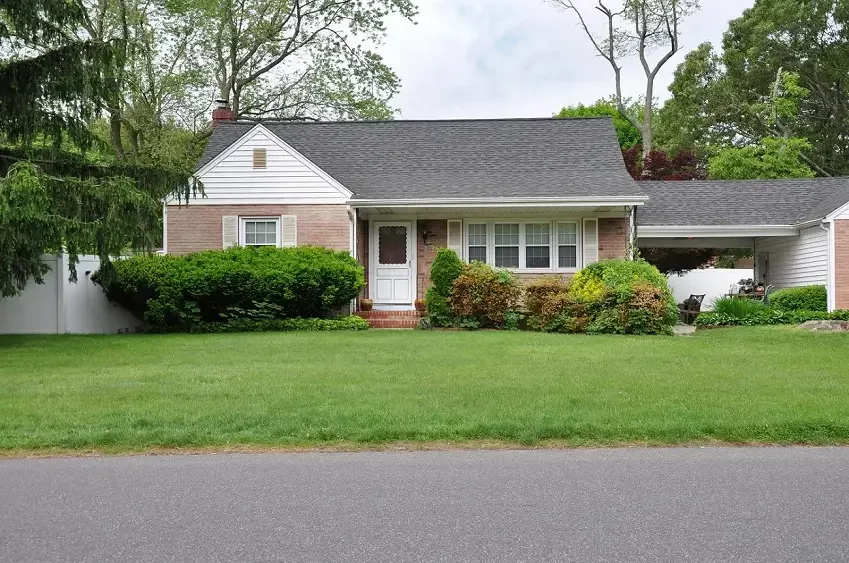
Selling a house with mold can be a tricky and overwhelming process for homeowners. Mold can damage both the structure of the home and its reputation, making it more difficult to attract buyers. However, it is not impossible to sell a house with mold, and understanding how to handle this issue can help you achieve a successful sale. In this article, we will guide you through the process of selling a house with mold in Elkins Park, PA, covering the legal, financial, and practical considerations to help you navigate the sale.
Understanding Mold in Homes
What is Mold?
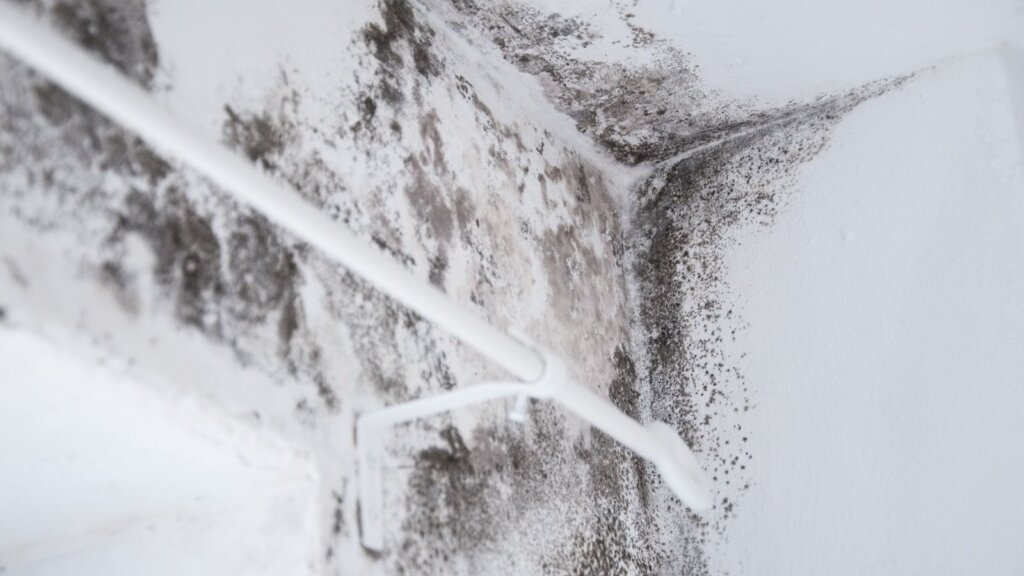
Mold is a type of fungus that grows in damp or humid environments. It thrives in areas with excess moisture and can grow on walls, floors, ceilings, and even furniture. There are several types of mold, but the most common types in homes are:
- Aspergillus
- Cladosporium
- Stachybotrys (often referred to as “black mold”)
While some molds are harmless, others can cause significant health problems, particularly for individuals with allergies or respiratory issues.
How Mold Affects Homes
Mold can lead to severe damage to your property. When left untreated, mold can weaken structural materials like wood, drywall, and insulation. This can cause:
- Wood rot and structural damage
- Discoloration of walls, floors, and ceilings
- Unpleasant odors
- Health risks, including respiratory issues and allergic reactions
If you’re planning to sell a house with mold, it’s essential to address the issue to avoid these problems from affecting the sale.
Causes of Mold Growth
Mold grows in areas that are consistently damp, and the climate in Elkins Park, PA, can contribute to mold issues. Some common causes of mold growth include:
- Leaking pipes: Plumbing issues can create an environment for mold to thrive.
- Poor ventilation: Homes without proper ventilation, especially in basements or attics, are more susceptible to mold.
- Flooding or water damage: Water from heavy rain, snowmelt, or flooding can lead to mold growth.
- Condensation: In areas with high humidity, such as kitchens and bathrooms, condensation can accumulate and create favorable conditions for mold.
The Legal and Financial Impact of Mold on a Home Sale
Legal Responsibilities for Sellers
In Pennsylvania, sellers are required to disclose any known issues with the property, including mold or water damage. This disclosure is typically made through the Seller’s Disclosure Statement. If you fail to disclose mold or water damage, you could face legal action or complications during the closing process. Therefore, it’s crucial to be transparent about any mold problems you’ve encountered. For more information on Pennsylvania’s real estate laws and disclosure requirements, check out this guide on Nolo.
How Mold Affects Property Value
Mold can significantly affect the value of your property. Homes with mold problems tend to be priced lower because they pose risks to both the health of the occupants and the structural integrity of the building. In some cases, mold can lead to substantial repairs that may not be worth the investment for many buyers. Therefore, you may need to adjust the asking price to reflect the mold problem or risk a prolonged time on the market.
Learn more about how mold impacts home resale value, check out this guide on Angi for a detailed overview of how mold can decrease curb appeal, lead to structural damage, and result in lower offers from potential buyers.
Can You Sell a House with Mold in Elkins Park, PA?
Yes, you can sell a house with mold in Elkins Park, PA. However, selling a house with mold will likely require some extra steps, such as mold remediation or price reductions. Buyers will expect mold to be disclosed, and some may require remediation before they agree to buy the home. Other buyers, particularly cash buyers, may be willing to purchase a house with mold, but they might offer less than the asking price to account for the potential repairs.
How to Address Mold Before Selling
DIY Mold Removal vs Professional Mold Remediation
One of the first decisions you will need to make is whether to remove the mold yourself or hire a professional mold remediation company.
Pros and Cons of DIY Mold Removal
If the mold infestation is small, DIY removal may be an option. You can purchase mold removal products and follow guidelines to clean moldy areas. However, DIY mold removal has its limitations:
- Safety concerns: Mold removal can expose you to harmful spores that can trigger allergic reactions or respiratory issues.
- Inadequate removal: If mold is not entirely removed, it can return quickly, leading to more significant problems.
- Lack of proper equipment: Professionals have the tools and knowledge to remove mold thoroughly.
When to Hire a Professional Mold Remediation Company
For larger mold infestations or mold in hard-to-reach areas, it’s best to hire a professional mold remediation service. Professionals can:
- Conduct a thorough inspection and identify hidden mold
- Safely remove mold and prevent future growth
- Address underlying issues such as moisture problems
While professional remediation can be expensive, it may be necessary to ensure the mold is completely removed and to prevent further damage to your home.
Step-by-Step Guide to Mold Removal
If you decide to tackle mold removal yourself, follow these steps:
- Inspect the affected areas: Identify areas where mold is present, paying attention to basements, bathrooms, and attics.
- Wear protective gear: Use gloves, goggles, and an N95 mask to protect yourself from mold spores.
- Clean small mold infestations: For minor mold issues, use a mixture of water and detergent to scrub affected areas.
- Dispose of contaminated materials: If mold has damaged items like carpet or insulation, dispose of them properly.
- Dry out the area: Use dehumidifiers and fans to ensure that the area is thoroughly dry after cleaning.
Preventing Mold from Returning
After mold removal, it’s essential to take steps to prevent mold from returning. Consider the following:
- Improve ventilation: Use fans and install ventilation systems in high-moisture areas such as kitchens and bathrooms.
- Fix leaks: Repair any plumbing or roof leaks to prevent water from entering the home.
- Control humidity: Use dehumidifiers in damp areas to maintain proper humidity levels.
Should You Disclose Mold When Selling?
Pennsylvania’s Disclosure Laws
Under Pennsylvania law, sellers are required to disclose any known issues with the property, including mold. Failing to disclose mold can result in legal consequences, including the cancellation of the sale or potential lawsuits.
How to Handle Mold Disclosures with Potential Buyers
Transparency is key when selling a house with mold. Provide potential buyers with an honest description of the mold issue and the steps you’ve taken to address it. If you’ve hired a professional mold remediation company, provide proof of the work completed, such as receipts or certificates of remediation. Being upfront with buyers helps build trust and can prevent legal complications down the line.
Selling Strategies for Homes with Mold in Elkins Park, PA
Sell As-Is vs Repairing the Mold Issue
You have two primary options when selling a house with mold:
- Sell As-Is: This option involves selling the property without making any repairs. However, selling as-is typically means you’ll need to lower the price significantly to attract buyers willing to take on the mold issue.
- Repair the Mold: If you choose to repair the mold before selling, you may have to spend time and money on remediation. However, this may allow you to sell the home for a higher price and appeal to a broader range of buyers.
Pricing Considerations for Homes with Mold
If you decide to sell the home as-is, you may need to reduce the asking price to account for the mold issue. Research similar homes in your area to determine a competitive price, keeping in mind the cost of remediation and potential buyer concerns.
Targeting Cash Home Buyers
One option for selling a home with mold is to target cash home buyers. These buyers are often more willing to purchase homes in poor condition because they are typically looking for discounted properties. While cash buyers may offer less for the home, the sale process is usually faster and requires fewer contingencies.
The Process of Selling a House with Mold in Elkins Park, PA
Step 1: Mold Inspection and Remediation
The first step in selling a house with mold is to have a mold inspection. A certified mold inspector can assess the extent of the mold issue and recommend remediation steps. If necessary, hire a professional mold remediation service to remove the mold safely.
Step 2: Disclose Mold Issues to Buyers
Once mold remediation is complete, it’s essential to disclose the issue to potential buyers. Be honest about the mold history and provide any documentation that shows the remediation process has been completed.
Step 3: Negotiate with Buyers
Buyers will likely want to negotiate the price based on the mold issue. Be prepared for offers lower than the asking price, especially if mold remediation was not performed. Consider adjusting the price to reflect the cost of repairs or providing incentives to make the sale more attractive.
Step 4: Closing the Sale
Once negotiations are complete, ensure all legal and financial documents are in order. Schedule a final walkthrough and inspection to ensure that all mold issues have been resolved before closing the sale.
Pros and Cons of Selling a House with Mold in Elkins Park, PA
Pros of Selling a House with Mold
- Quick sale if priced correctly: If you price the house competitively, you may attract buyers who are willing to take on the mold issue.
- Cash offers: Cash buyers may be more willing to purchase a property with mold, leading to a quicker sale.
Cons of Selling a House with Mold
- Longer time on the market: Houses with mold are less desirable to many buyers, meaning your home may sit on the market longer.
- Lower offers: Buyers may offer significantly less for a house with mold, especially if it has not been remediated.
Mold and the Elkins Park, PA Real Estate Market
Overview of the Local Real Estate Market
Elkins Park, PA, is a residential area with a mix of old and new homes. Mold can be a concern in older homes, particularly those with outdated plumbing or ventilation systems. Understanding the local real estate market is essential for pricing your home correctly and attracting potential buyers.
Tips for Sellers in Elkins Park
To sell a home with mold in Elkins Park, PA, consider working with a real estate agent experienced in dealing with homes with mold issues. They can help you navigate the legal requirements, price the property appropriately, and find buyers who are willing to take on the mold issue.
Frequently Asked Questions (FAQs)
Q. How can I sell a house with mold in Elkins Park, PA?
Answer:
You can sell a house with mold by addressing the issue through mold remediation, disclosing the problem to buyers, and adjusting the price to reflect the condition of the property. Transparency and honesty are key.
Q. Is mold disclosure required when selling a house in Elkins Park, PA?
Answer:
Yes, Pennsylvania law requires sellers to disclose any known mold issues in the property. Failing to do so could lead to legal complications and a canceled sale.
Q. How much does mold remediation cost in Elkins Park, PA?
Answer:
Mold remediation costs vary based on the severity of the issue. On average, it can range from $1,000 for minor issues to over $10,000 for major infestations and structural repairs.
Q. Can I sell my home as-is with mold in Elkins Park, PA?
Answer:
Yes, you can sell your home as-is with mold, but you will likely need to lower the price to attract buyers willing to take on the mold problem. Cash buyers are often more open to this option.
Q. How does mold affect home value in Elkins Park, PA?
Answer:
Mold can reduce the value of a property, as it may require costly repairs. Buyers typically expect a discount, and mold may make it harder to secure financing through traditional channels.
Q. What is the best way to prevent mold from returning in my home?
Answer:
To prevent mold from returning, fix leaks, improve ventilation, and control humidity levels. Regularly inspect damp areas and ensure proper drainage around your home to reduce moisture buildup.
Conclusion
Selling a house with mold in Elkins Park, PA, requires careful consideration, transparency, and the right strategy. At Property Buyer Today, we understand the challenges that mold can present when selling a home. By addressing the mold issue, disclosing it to potential buyers, and adjusting your pricing strategy, you can successfully sell your home. Whether you choose to sell as-is or repair the mold, Property Buyer Today is here to help you navigate the process and ensure a smooth sale. Our team can guide you through every step, from mold inspection to closing, so you can make informed decisions and achieve a successful sale, even with mold present.