
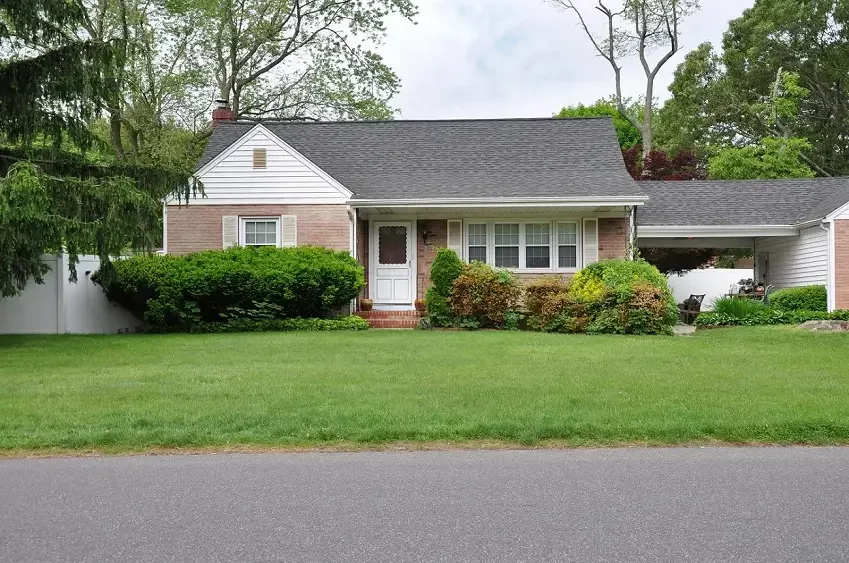
Selling a distressed property in Plymouth Meeting, PA, presents unique challenges, but with the right strategies and preparation, it can be done successfully. Whether your property has been neglected, damaged by a disaster, or is facing foreclosure, knowing the best steps to take can help you get the most out of your sale. This guide will walk you through the entire process, from assessing your property to closing the deal.
What is a Distressed Property?

Before diving into the process of selling, it’s essential to understand what a distressed property is. A distressed property is typically one that is in poor condition, either due to neglect, damage, or financial hardship. There are various types of distressed properties:
- Foreclosures: Homes that have been repossessed by lenders due to the owner’s failure to make mortgage payments.
- Short Sales: When the homeowner owes more on the property than it is worth, and the lender agrees to accept a lower amount to avoid foreclosure.
- Properties with Significant Damage: Homes that have suffered from physical damage such as fire, water, or storm damage.
- Inherited Properties: Properties that have been passed down from a deceased relative, which may not have been maintained.
Each of these types presents its own set of challenges and opportunities when selling, but understanding these categories will help you tailor your approach.
Why Selling a Distressed Property in Plymouth Meeting is Different
Plymouth Meeting is located in Montgomery County, Pennsylvania, and has a unique real estate market. With its suburban setting, proximity to Philadelphia, and a mix of residential and commercial properties, the market offers both opportunities and challenges for distressed property sellers. Here are some specific reasons why selling a distressed property in Plymouth Meeting may require extra attention:
Local Market Conditions in Plymouth Meeting, PA
The real estate market in Plymouth Meeting can fluctuate based on factors like interest rates, local economy, and regional developments. Understanding these market conditions will help you price your property competitively and make informed decisions.
Challenges Faced by Sellers
- Low Property Value: A distressed property typically has a lower market value than comparable homes in better condition, which can affect how much you can sell it for.
- Difficulty in Finding Buyers: Buyers looking for distressed properties often want to buy at a significant discount. They may also have specific criteria that the property must meet before they’re willing to make an offer.
- Potential Legal Issues: Distressed properties, especially foreclosures and short sales, can involve complex legal matters, including liens, title issues, or outstanding debts.
Understanding these challenges will help you set realistic expectations and create a strategy for success.
Step 1: Assess the Condition of Your Property
The first step in selling any property, especially a distressed one, is to assess its condition. This step will help you understand the level of repairs needed and whether it’s worth investing money into making improvements.
Understanding the Extent of Damage
Start by evaluating the damage to your property. This will allow you to make an informed decision about how much to invest in repairs and whether it makes sense to sell as-is.
Common Issues in Distressed Properties
- Structural Issues: Cracks in the foundation, sagging floors, or roof leaks.
- Plumbing, Electrical, and HVAC Problems: Faulty or outdated systems that need repair or replacement.
- Pest Infestation: Rodents, termites, or other pests that have caused damage.
- Cosmetic Damage: Interior damage like peeling paint, damaged flooring, or worn-out countertops.
Inspection Checklist
| Area | Potential Issues | Cost of Repair (Estimate) |
|---|---|---|
| Roof | Leaks, Missing Tiles | $3,000-$10,000 |
| Foundation | Cracks, Settling | $5,000-$15,000 |
| Plumbing | Leaks, Clogs | $1,000-$5,000 |
| Electrical | Outdated Wiring | $2,000-$7,000 |
DIY vs. Hiring Professionals for Repairs
If the repairs are minor and affordable, you may want to tackle them yourself. However, if the issues are more extensive, hiring a professional might be the best option. It’s important to weigh the cost of repairs against the potential increase in the home’s value.
Step 2: Understand Your Selling Options
Once you have a clear understanding of your property’s condition, it’s time to evaluate your selling options. There are several ways to approach selling a distressed property, and the best option depends on your goals and situation.
Selling the Property As-Is
Selling your home as-is means that you will not make repairs or improvements before putting it on the market. This is often the most straightforward option for distressed properties. Here are the pros and cons:
Pros:
- No need to invest time or money in repairs.
- Faster sale process.
- Ideal for properties with extensive damage that would cost more to fix than the property is worth.
Cons:
- You may not receive the best possible price for the property.
- Potential buyers may be discouraged by the condition and low value.
Making Necessary Repairs Before Selling
In some cases, it may make sense to invest in repairs to increase the property’s value. However, the cost of repairs can add up quickly. You need to consider the following:
- Cost of Repairs: Can you afford the repairs?
- Market Value After Repairs: Will the repairs increase the value of the home enough to justify the cost?
- Return on Investment (ROI): Some repairs, like fixing plumbing or electrical issues, provide better ROI than others, like cosmetic updates.
Selling Through a Cash Home Buyer
Cash home buyers specialize in purchasing distressed properties quickly and without the need for repairs. Here’s why you might consider selling to a cash buyer:
Benefits of Selling for Cash:
- No Repairs Needed: Cash buyers are willing to buy properties in any condition.
- Fast Closing: Cash transactions usually close much faster than traditional sales, often in as little as a week.
- Certainty of Sale: Cash buyers are less likely to back out of a deal compared to traditional buyers who may face financing issues.
Step 3: Prepare the Property for Sale
Even if you decide to sell your property as-is, it’s important to make sure it’s clean and presentable for potential buyers.
Cleaning and Staging Tips for Distressed Properties
- Declutter: Remove any personal items and trash from the property. A clean space can make a big difference.
- Small Repairs: Fix minor issues like leaky faucets, broken tiles, or damaged door handles. These small fixes can make the property feel more appealing.
- Staging: If possible, stage the home to showcase its potential. Even in distressed properties, highlighting the best features can make a difference. For expert tips on staging, visit Zillow’s How to Stage a House to Sell.
Marketing a Distressed Property
- Professional Photography: Good photos are crucial. Hire a professional photographer to capture the home’s best features.
- Listing the Property: List the property on multiple real estate platforms like Zillow, Realtor.com, and local listings. Be transparent about the property’s condition to attract buyers who are specifically looking for distressed properties.
Step 4: Set a Competitive Price for Your Property
Pricing a distressed property can be tricky, but it’s essential to price it right to attract buyers. Overpricing could lead to the property sitting on the market for too long, while underpricing could mean you leave money on the table.
How to Determine the Right Price
A Comparative Market Analysis (CMA) will give you a good idea of how similar homes in the area have sold. Keep in mind that the condition of your property will significantly impact its value. Here are a few considerations:
- Local Market Conditions: Research the current real estate market in Plymouth Meeting, PA.
- Comparable Sales: Look at the sale price of homes with similar conditions in your neighborhood.
- Cost of Repairs: Deduct the cost of necessary repairs from the value to determine a fair price.
Step 5: Legal Considerations When Selling a Distressed Property
There are several legal aspects to consider when selling a distressed property, especially if it is involved in foreclosure or has outstanding liens.
Understanding the Legal Process
- Foreclosures: If your property is in foreclosure, the bank will often have the right to seize it if the mortgage is unpaid. However, you may be able to sell the property before the foreclosure is completed through a short sale.
- Short Sales: A short sale happens when the seller owes more than the home’s market value. The lender agrees to accept less than what is owed to avoid foreclosure.
- Disclosure Laws: In Pennsylvania, sellers are required to disclose any known defects or issues with the property. Failure to do so can lead to legal complications down the road. For more on Pennsylvania real estate laws, visit FindLaw’s Pennsylvania Property and Real Estate Laws.
Required Documents for Selling a Distressed Property
- Title and Deed Information
- Proof of Repairs (if applicable)
- Tax and Mortgage Records
Step 6: Negotiate Offers and Close the Deal
Once you begin receiving offers, it’s important to review them carefully. Here are some key points to consider:
Reviewing Offers
- Cash Offers vs. Conventional Offers: Cash offers are often the best option for distressed properties because they don’t rely on financing, making the sale more secure.
- Understanding Contingencies: Buyers may include contingencies, such as a home inspection or financing approval, in their offers. These can delay or even cancel the sale.
Negotiation Tips
- Counter Offers: Don’t be afraid to make a counteroffer if the price is too low.
- Know Your Bottom Line: Decide on your lowest acceptable offer before negotiations start to avoid making hasty decisions under pressure.
Step 7: Post-Sale Considerations
Once the deal is done, there are a few things to consider after the sale:
Moving Out of a Distressed Property
Moving out of a distressed property can be emotional, but it’s important to stay organized. Hire a moving company or rent a truck to help with the move. If there’s leftover junk, consider a clean-out service.
Taxes and Fees After Sale
- Capital Gains Tax Considerations: If you sell the property for more than you bought it for, you may need to pay capital gains tax.
- Closing Costs for Sellers: There are also closing costs associated with selling, such as agent fees (if applicable), title fees, and attorney fees.
Frequently Asked Questions (FAQ)
1. What Are the Best Ways to Sell a Distressed Property Quickly in Plymouth Meeting, PA?
- The fastest way to sell is by working with a cash home buyer, who can close within 7-10 days. Listing as-is with an agent specializing in distressed properties can also attract quick offers.
2. Can I Sell My Distressed Home If I Still Owe Money on the Mortgage in Plymouth Meeting, PA?
- Yes, you can sell through a short sale, where the lender accepts less than owed, or to a cash buyer who purchases the property as-is, even with remaining mortgage debt.
3. How Long Does It Take to Sell a Distressed Property in Plymouth Meeting, PA?
- Selling to a cash buyer can take 7-10 days, while traditional sales may take 1-3 months, depending on repairs, inspections, and buyer financing.
4. Do I Need to Make Repairs Before Selling a Distressed Property in Plymouth Meeting, PA?
- No, cash buyers will purchase your home as-is. However, minor repairs or cleaning can help increase appeal if you’re listing traditionally.
5. What Are the Tax Implications of Selling a Distressed Property in Plymouth Meeting, PA?
- If selling for a profit, you may owe capital gains tax. A short sale may reduce your tax liability, but it’s best to consult with a tax professional.
6. How Can I Avoid Foreclosure and Sell My Property in Plymouth Meeting, PA?
You can sell through a short sale or to a cash buyer to avoid foreclosure. Acting quickly is crucial to prevent damage to your credit and financial standing.
Conclusion: Make the Right Choice for Your Distressed Property Sale with Property Buyer Today
Selling a distressed property in Plymouth Meeting can feel overwhelming, but with the right guidance and approach, it can be a smooth and successful process. Whether your home is in need of significant repairs, facing foreclosure, or simply requires a quick sale, Property Buyer Today is here to help. We specialize in buying distressed properties as-is, offering fast and fair cash offers that allow you to move forward without the hassle of repairs, listings, or long waiting periods.
At Property Buyer Today, we understand the challenges homeowners face and work closely with you to ensure a straightforward and stress-free experience. With our expertise in the local Plymouth Meeting market, we provide personalized solutions that fit your unique situation.
If you’re ready to sell your distressed property quickly and efficiently, contact Property Buyer Today today for a no-obligation cash offer. Let us help you make the right decision and turn your property into cash—fast.