
Updated: September 12, 2026
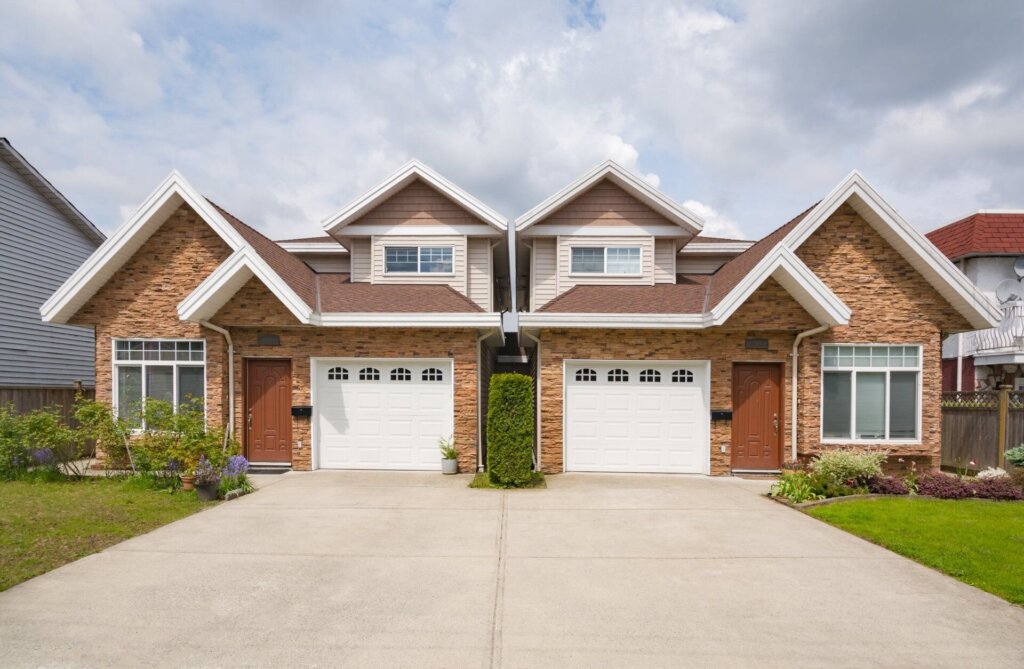
Selling a multi-family property in Montgomery County requires more than listing the building for sale. Owners should review the property type, rental income, tenant situation, legal requirements, operating expenses, and potential selling options before making a decision. A traditional listing, as-is sale, or direct sale may each fit different situations depending on the owner’s timeline, property condition, and goals.
What is the best way to sell a multi-family property?
The best way to sell a multi-family property depends on the building’s condition, rental income, tenant situation, ownership structure, and desired timeline. A traditional listing may attract more buyers, while a direct as-is sale may reduce preparation and showing requirements. Before choosing, calculate your likely net proceeds rather than focusing only on the asking price.
Montgomery County includes different types of income properties, from duplexes and twin homes in Norristown and Pottstown to larger apartment buildings near Conshohocken, King of Prussia, Lansdale, and other Philadelphia suburbs. Each property should be evaluated individually.
How Are Multi-Family Properties Different From Single-Family Homes When Selling?
Selling a multi-family property involves additional factors that usually do not apply to a single-family home. Buyers are often evaluating the property as an income-producing asset rather than only looking at the condition and appearance.
Important differences include:
- Rental income and operating expenses
- Existing tenant agreements
- Security deposits
- Occupancy rates
- Legal number of units
- Rental licenses
- Building systems and maintenance history
- Investor return expectations
A homeowner selling a single-family house may focus mainly on condition and comparable sales. A multi-family seller usually needs to prepare financial records and property information that help buyers understand the building’s income potential.
1. Identify the property type and ownership structure
Start by confirming exactly what you own and how it is legally classified.
Your property may be:
- A duplex or two-unit home
- A triplex or three-unit property
- A four-unit residential building
- A mixed-use property
- A larger apartment building
- A converted single-family home
- A rental property with an accessory dwelling unit
- A vacant building previously used as a rental
The number of units, zoning classification, certificate of occupancy, and building use may affect the buyer pool and financing options. A property that appears to contain multiple apartments may not be legally approved for that use.
Also review how the property is owned. It may be held personally, jointly with another owner, through an LLC, through a trust, or as part of an estate. A deed, operating agreement, partnership agreement, divorce order, or probate document may affect who must sign the sale documents.
The Montgomery County government website can help you locate county departments and general property-related resources. Because zoning and occupancy requirements can vary by municipality, also contact the local township, borough, or city where the property is located.
2. Organize the financial records before pricing
Income-property buyers usually want to understand the property’s operating performance. Gather at least the previous two years of available records, including:
- Current rent roll
- Copies of leases
- Security-deposit records
- Rent payment history
- Utility bills
- Property-tax bills
- Insurance premiums
- Maintenance invoices
- Property-management fees
- Repairs and capital improvements
- Mortgage information
- Any unpaid tenant balances
- Code, inspection, or licensing records
A buyer may evaluate net operating income, or NOI. A basic NOI calculation generally starts with rental income and subtracts ordinary operating expenses. Mortgage principal and interest are usually considered separately from property-level operating expenses when investors analyze the building.
Do not exaggerate income by counting vacant units, unpaid rent, or one-time fees as dependable revenue. A transparent financial package can make negotiations easier and reduce surprises during due diligence.
For tax records involving rental properties, review the IRS information in Publication 527. Rental-property tax treatment can involve depreciation, passive-activity rules, adjusted basis, and other issues, so speak with a tax professional before relying on a general article.
3. Review leases and communicate with tenants
Tenants are one of the most important differences between selling a rental property and selling an owner-occupied home.
Before marketing the property, determine:
- Which leases are written or month-to-month
- When each lease expires
- Whether renewal rights exist
- How much each tenant paid as a security deposit
- Whether tenants are current on rent
- Whether any disputes or notices are pending
- Whether utilities are included
- Whether the property is subject to housing assistance requirements
- Whether the leases allow showings or property inspections
Do not promise vacant possession unless you have the legal authority and a realistic plan to obtain it. Some buyers prefer occupied properties because the rental income continues. Others want the building vacant for renovation or owner occupancy.
Tenants should receive appropriate notice before showings, inspections, or contractor visits. The U.S. Department of Housing and Urban Development’s fair-housing resources are useful when marketing or showing rental housing. Avoid language that suggests a preference for or against protected classes.
A respectful communication plan can reduce conflict. Explain whether the property is being sold, how showings will work, whether the lease continues after closing, and who will handle tenant questions.
Should You Sell a Tenant-Occupied Multi-Family Property or Wait Until It Is Vacant?
There is no single answer because the better option depends on the property, tenants, leases, and buyer expectations.
Selling with tenants may appeal to investors because the rental income continues and the property already has occupants. However, buyers may need detailed lease information, rent history, and tenant cooperation during inspections.
Selling a vacant property may attract different buyers, especially those planning renovations or owner occupancy. However, vacancy can also create additional costs, including utilities, maintenance, insurance concerns, and lost rental income.
Before deciding, review:
- Current lease terms
- Tenant relationships
- Expected buyer type
- Property condition
- Local requirements
- Financial impact of vacancy
4. Check zoning, permits, and municipal requirements
A multi-family property may have issues that do not appear in a standard online listing. Before accepting an offer, investigate:
- Zoning approval for the current use
- Certificates of occupancy
- Rental licenses
- Fire or safety inspections
- Open permits
- Building-code violations
- Unpaid water or sewer charges
- Property-tax balances
- Municipal liens
- Lead-safety requirements
- Work completed without permits
A buyer may reduce the offer or cancel the transaction if a property has more units than legally approved. If you know about a material issue, discuss disclosure obligations with a Pennsylvania real-estate professional or attorney.
Do not assume that an older property is automatically grandfathered into its current use. The answer may depend on the municipality, the property’s history, and current local rules.
5. Choose the right selling method
You generally have several options.
| Selling method | May fit when | Possible advantage | Possible limitation |
|---|---|---|---|
| Traditional listing | The property is stable and records are organized | More exposure to investors and owner-occupants | Showings, inspections, commissions, and financing delays |
| As-is listing | The property needs work but you want market exposure | May attract investors without completing every repair | Buyers may request credits or inspections |
| Direct cash sale | You want a simpler or more predictable process | Fewer preparation requirements and potentially fewer contingencies | Offer may be below an optimized retail price |
| Auction | The property has a specialized buyer market | Can create a defined sale process | Price is not guaranteed |
| Sell to another investor | You value speed and a straightforward transaction | May reduce marketing time | You still need to compare terms and verify funds |
Property Buyer Today explains its general process on the How It Works page. You can also compare direct buyers with agents in the cash buyer versus Realtor guide.
A direct sale is not automatically better than a listing. The useful comparison is estimated net proceeds after repairs, commissions, vacancy, concessions, taxes, and closing costs.
6. Price the property using income and condition
A multi-family property should not always be priced like a single-family house. Buyers may consider:
- Gross rental income
- Net operating income
- Market rents
- Vacancy
- Operating expenses
- Recent comparable sales
- Condition of the building
- Remaining useful life of major systems
- Zoning and legal unit count
- Parking and storage
- Utility arrangement
- Neighborhood demand
A building with strong tenants and accurate records may attract an investor looking for stable income. A property with serious deferred maintenance may attract a buyer who expects to renovate, re-tenant, or change the unit layout.
When reviewing an offer, compare the complete terms. A higher price with financing, inspection, and appraisal contingencies may create more uncertainty than a lower offer with verified funds and a realistic closing schedule.
7. Calculate your expected net proceeds
Your estimated net proceeds may be affected by:
- Mortgage payoff
- Prepayment penalties
- Delinquent taxes
- Municipal charges
- Repairs
- Tenant relocation or lease obligations
- Broker compensation
- Buyer credits
- Title and settlement costs
- Transfer taxes
- Legal or accounting fees
- Capital-gains or depreciation-related taxes
The IRS explains additional rules for property sales in Publication 544. A rental-property sale can be more complicated than the sale of a primary residence, especially when depreciation has been claimed.
You can also review Property Buyer Today’s guide about capital-gains taxes for Philadelphia-area home sellers, but use a qualified tax professional for advice about your specific property.
What Selling a Multi-Family Property Can Look Like in Practice
Imagine an owner of a three-unit property in Pottstown. Two units are occupied, one needs repairs, and the owner has incomplete records for several years. Before listing, the owner collects leases, rent receipts, tax bills, utility records, and repair invoices. A contractor estimates the cost of correcting the vacant unit. The owner then compares a traditional listing with an as-is offer. The direct offer is lower, but it avoids a long repair project and reduces the risk of extended vacancy. This example is hypothetical and does not predict the value or result of any specific property.
Common mistakes to avoid
- Pricing the building only by multiplying monthly rent
- Ignoring unapproved units or open permits
- Failing to document security deposits
- Promising vacant possession without legal advice
- Hiding known problems from buyers
- Counting unpaid rent as reliable income
- Accepting an offer without checking proof of funds
- Forgetting that rental-property taxes may differ from homeowner taxes
- Allowing a buyer to perform inspections without proper tenant notice
If you want to compare an as-is sale with a traditional listing, Property Buyer Today can review the property and provide an offer for consideration. You should still review the agreement with your own attorney, tax professional, or settlement company.
Frequently Asked Questions
Can I sell a multi-family property with tenants in Montgomery County?
Yes, a rental property can usually be sold while tenants remain, but the leases, security deposits, notices, and tenant rights must be handled correctly. The buyer may assume the leases or require another arrangement.
Do I need to repair a multi-family property before selling?
No, not always. You can list or sell the property as-is, although repairs may affect the price, buyer pool, financing, and inspection negotiations.
How is a multi-family property valued?
Buyers may consider comparable sales, rental income, operating expenses, condition, legal unit count, and expected return. There is no single formula that applies to every Montgomery County property.
Can I sell a duplex without a Realtor?
Yes, you may sell directly or use another selling method. A title company, settlement professional, attorney, or tax adviser can still be important even when no Realtor is involved.
Should I sell my multi-family property to a cash buyer?
A cash buyer may be useful when you value a simpler sale or the property needs repairs. Compare the complete offer with a traditional listing and calculate your expected net proceeds.
What documents do buyers need for a rental property?
Buyers commonly request leases, rent rolls, expenses, tax records, utility information, inspection records, and repair history. The exact requirements vary by property and buyer.
Are multi-family property sale proceeds taxable?
They may be. Tax treatment can involve capital gains, depreciation, adjusted basis, and other issues. Consult a tax professional before deciding how to structure or time the sale.
Important Disclaimer
This article provides general educational information about selling multi-family properties in Montgomery County, Pennsylvania. It is not legal, tax, financial, real estate, landlord-tenant, or investment advice.
Every property situation is different. Issues involving tenants, leases, ownership, zoning, permits, taxes, liens, and settlement requirements may require guidance from qualified professionals.
Before making decisions about selling your property, consider consulting a Pennsylvania real estate attorney, tax professional, settlement company, or other qualified advisor.
Property Buyer Today does not guarantee a specific sale price, closing timeline, buyer approval, or financial outcome.