
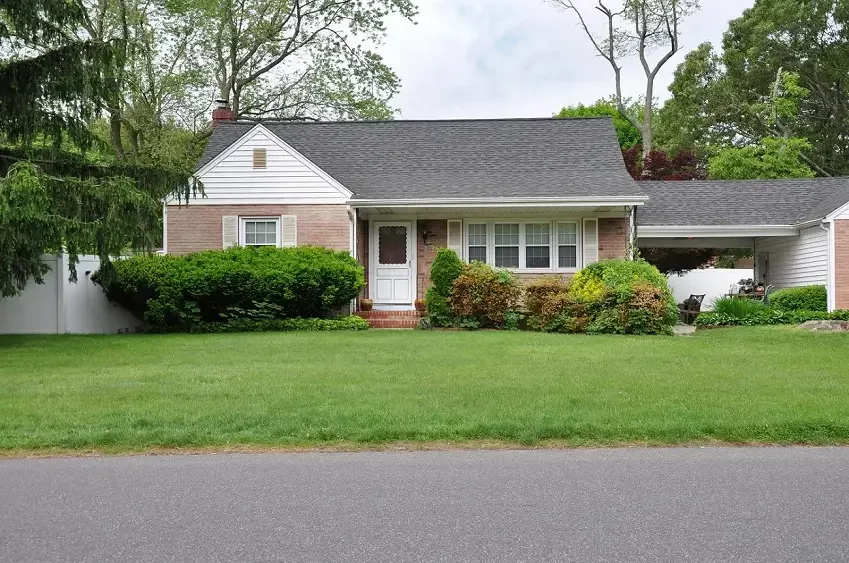
Selling a rental property is a significant financial decision, and one of the most important factors to consider is the potential tax implications. In Plymouth Meeting, PA, the rules and strategies for minimizing taxes when selling rental properties can vary based on factors like the type of property, how long you’ve owned it, and whether you’re using any exemptions or deductions. Understanding how to avoid taxes when selling a rental property can significantly increase your profits and prevent unexpected tax burdens.
This article will guide you through various strategies and tax-saving methods you can use to minimize your tax liability when selling a rental property in Plymouth Meeting. Whether you’re looking to reduce capital gains tax, leverage deductions, or use more advanced strategies like the 1031 exchange, we will cover it all.
Understanding Taxes on Rental Property Sales
What Are Capital Gains Taxes?
Capital gains taxes are taxes levied on the profit from the sale of assets like rental properties. If you sell your property for more than you paid for it, the profit is subject to capital gains tax. However, the rate at which your gains are taxed can vary, depending on several factors such as how long you’ve owned the property and the value of the property.
There are two main categories of capital gains taxes:
- Short-Term Capital Gains: If you sell the property within one year of owning it, your profits are subject to short-term capital gains taxes, which are taxed at your ordinary income tax rates.
- Long-Term Capital Gains: If you’ve owned the property for more than one year, the profit is subject to long-term capital gains tax rates, which are typically lower than ordinary income tax rates.
Types of Taxes You May Face When Selling Rental Property
Apart from capital gains taxes, there are other types of taxes and fees you may encounter when selling a rental property:
1. Capital Gains Tax
As mentioned earlier, this is the primary tax you’ll encounter when selling a rental property. The tax is based on the difference between your selling price and your cost basis (the price you paid for the property plus any improvements and deductions).
You can learn more about the specifics of capital gains tax on the official IRS page on Capital Gains Tax.
2. Depreciation Recapture
One of the most important aspects of selling rental properties is depreciation. When you own a rental property, you can depreciate the building (not the land) over a 27.5‑year period for tax purposes. Depreciation allows you to reduce your taxable income each year, but when you sell, you’ll have to “recapture” the depreciation and pay tax on it. You can learn more about depreciation recapture on Investopedia’s Depreciation Recapture page.
The depreciation recapture tax rate is typically 25%. This means that if you’ve claimed depreciation deductions in previous years, you will have to pay tax on that amount when you sell the property.
3. Net Investment Income Tax (NIIT)
For high-income earners, the IRS also imposes a 3.8% Net Investment Income Tax (NIIT) on certain investment income, including rental property sales. This tax applies if your modified adjusted gross income exceeds $200,000 for individuals ($250,000 for married couples filing jointly). The NIIT is applied to the lesser of your net investment income or the amount by which your income exceeds the threshold.
Tax Benefits and Exemptions for Rental Property Owners in Plymouth Meeting

When selling a rental property in Plymouth Meeting, you may qualify for several tax exemptions and strategies that can help reduce your overall tax burden. Let’s take a closer look at some of the most commonly used methods.
Section 1031 Exchange: Deferring Taxes on the Sale
One of the most effective strategies for avoiding taxes when selling a rental property is the 1031 exchange. This provision allows you to defer paying capital gains taxes on the sale of an investment property if you reinvest the proceeds into another similar property, known as a “like-kind” property. The 1031 exchange is particularly useful for real estate investors looking to grow their portfolios without being hit by significant tax burdens.
How the 1031 Exchange Works:
- Sell your rental property: You must sell your rental property and designate a qualified intermediary (QI) to hold the funds from the sale.
- Identify a like-kind property: Within 45 days of the sale, you must identify a replacement property that is of equal or greater value.
- Close on the replacement property: You must close on the replacement property within 180 days of selling the original property.
By utilizing the 1031 exchange, you can defer paying capital gains and depreciation recapture taxes until you sell the replacement property. While this doesn’t eliminate taxes, it postpones them and allows you to continue growing your real estate portfolio.
The Primary Residence Exemption
Another potential way to reduce taxes is by converting your rental property into your primary residence. If you live in the property for at least two out of the five years before selling, you may be eligible for the primary residence exclusion. This allows you to exclude up to $250,000 of capital gains (or $500,000 for married couples filing jointly) from taxes on the sale of the property.
However, there are rules and restrictions that apply. For example, you can’t use this exemption more than once every two years, and the exclusion only applies to the portion of the property used as your primary residence.
Depreciation Deductions and How They Affect Your Taxes
As mentioned, rental properties are eligible for depreciation deductions over time. While this lowers your taxable income during ownership, it can create a tax liability when you sell the property. The IRS requires you to “recapture” the depreciation deductions you took during the ownership period. This means that the amount of depreciation claimed must be added back into your income and taxed at a rate of 25%.
Depreciation can reduce your taxable income significantly while you own the property, but it’s important to account for the tax implications when you sell.
Planning Ahead: How to Minimize Taxes Before Selling
While there are various strategies to reduce taxes after selling a rental property, proper planning before the sale can also help minimize the tax impact. Below are several strategies you can implement to reduce taxes when selling rental property in Plymouth Meeting.
Strategies to Maximize Tax Savings
1. Hold the Property for Longer Than One Year
To benefit from long-term capital gains tax rates, you must hold the property for more than one year before selling. Long-term capital gains are typically taxed at a lower rate (0%–20%) compared to short-term gains, which are taxed at your ordinary income tax rate.
2. Reduce Property Depreciation Before Selling
Depreciation recapture can be a significant tax liability when selling a rental property. By reducing the amount of depreciation you take in the years leading up to the sale, you can minimize the recapture amount. However, this should be done with the guidance of a tax advisor to ensure you’re still complying with IRS rules.
3. Time the Sale for Tax Efficiency
Timing the sale of your rental property can help you reduce your tax liability. For instance, selling during a year in which your other income is lower can help you reduce the impact of capital gains taxes. Additionally, if you expect to be in a lower tax bracket next year, it might be beneficial to wait until the following year to sell.
Using a Tax Professional or Advisor
A tax professional can be a valuable resource when planning the sale of a rental property. They can help you navigate the complexities of depreciation recapture, 1031 exchanges, and other tax-saving strategies. Consulting with a professional is especially important if your sale involves a large gain or if you’re considering utilizing the 1031 exchange.
Tax Rates on Property Sales in Plymouth Meeting, PA
Understanding Local Tax Laws in Plymouth Meeting, PA
In addition to federal tax laws, property owners in Plymouth Meeting, PA, must also consider local property taxes. While local taxes on property sales are not as significant as capital gains taxes, they can still add to your overall tax burden. It’s important to familiarize yourself with the local ordinances and consult with a local tax advisor for specific details.
Capital Gains Tax Rates for Pennsylvania Residents
In Pennsylvania, capital gains are subject to both federal and state taxes. The federal capital gains tax rate ranges from 0% to 20%, depending on your income. Pennsylvania imposes a flat state income tax rate of 3.07%, which applies to both short-term and long-term capital gains.
If you’re subject to the Net Investment Income Tax (NIIT), you could face an additional 3.8% tax, depending on your income level.
Table: Tax Implications of Selling Rental Property in Plymouth Meeting, PA
| Tax Type | Description | Rate/Percentage | Applicability |
|---|---|---|---|
| Capital Gains Tax | Tax on profit from the sale of rental property | 0% – 20% (based on income) | Short-term (less than 1 year) and long-term gains |
| Depreciation Recapture | Tax on depreciation deductions taken over time | 25% | If the property was depreciated |
| Net Investment Income Tax | Additional tax for higher income earners | 3.8% | Applies if income exceeds $200,000 for individuals |
| State Income Tax | Pennsylvania’s state tax on property gains | 3.07% | Applicable to rental property sales |
How to Prepare for the Tax Implications of Selling Your Rental Property
Steps to Take Before Selling a Rental Property in Plymouth Meeting
- Record-Keeping: Keep detailed records of all expenses related to your property, including repairs, improvements, and maintenance costs. These expenses can be deducted from your taxable income when selling.
- Consult with a Tax Professional: Seek advice from a tax professional to discuss potential strategies for minimizing taxes, such as using a 1031 exchange or taking advantage of depreciation.
- Get an Appraisal: An up-to-date appraisal can help you determine the current market value of your property and provide a clear picture of potential capital gains.
- Review Depreciation Schedule and Tax Returns: Check your depreciation deductions over the years. Understand how much depreciation you’ve taken, as it will impact the recapture tax when you sell.
Post-Sale Steps to Take to Ensure Proper Tax Filing
- Filing the Sale on Your Tax Return: Report the sale of your property on your tax return, detailing the capital gains or losses and any deductions.
- Reporting Capital Gains, Deductions, and Recapture: Include the capital gains, expenses, and depreciation recapture in your filing. This helps you calculate the correct tax liability.
- Ensuring the 1031 Exchange (if applicable) Is Filed Correctly: If you utilized a 1031 exchange, make sure all paperwork is filed correctly to ensure tax deferral.
Common Mistakes to Avoid When Selling Rental Property in Plymouth Meeting, PA
Not Planning for Depreciation Recapture
Depreciation recapture is often overlooked but can be significant. The IRS requires you to “recapture” depreciation deductions when you sell, which means you’ll owe taxes on the depreciation you previously claimed.
Overlooking the 1031 Exchange as a Tax-Saving Tool
Failing to use a 1031 exchange can cost you tax savings by triggering immediate capital gains tax. This tax-deferral strategy allows you to reinvest your proceeds into another property and delay paying taxes.
Miscalculating the Capital Gains Tax
When calculating capital gains tax, ensure all factors like improvements, repairs, and expenses are factored in. Miscalculating could lead to paying more in taxes than necessary.
Frequently Asked Questions (FAQs)
Q. How can I avoid taxes when selling a rental property in Plymouth Meeting, PA?
Answer: To minimize taxes when selling a rental property, you can use strategies like the 1031 exchange, taking advantage of depreciation deductions, or converting the property into your primary residence for tax exclusions.
Q. What is a 1031 exchange and how does it help reduce taxes?
Answer: A 1031 exchange allows you to defer paying capital gains taxes by reinvesting the proceeds from the sale of one rental property into a similar property. It’s an effective way to grow your real estate portfolio without immediate tax consequences.
Q. Are there tax benefits to selling a rental property in Plymouth Meeting, PA?
Answer: Yes, there are various tax benefits such as depreciation deductions, primary residence exclusions, and the ability to defer taxes with a 1031 exchange, which can help reduce the tax burden when selling rental properties.
Q. What are the capital gains tax rates in Plymouth Meeting, PA?
Answer: The federal capital gains tax rate ranges from 0% to 20% based on your income, while Pennsylvania imposes a flat state income tax of 3.07% on capital gains from the sale of rental properties.
Q. How does depreciation affect taxes when selling a rental property?
Answer: Depreciation reduces your taxable income while you own the property, but when you sell, the IRS requires you to “recapture” this depreciation, meaning you’ll be taxed at 25% on the amount you deducted.
Q. Can I sell my rental property for cash and still minimize taxes?
Answer: Yes, selling a rental property for cash doesn’t change your eligibility for tax-saving strategies such as the 1031 exchange or deductions for selling costs, allowing you to minimize taxes on the sale.
Conclusion
Selling a rental property in Plymouth Meeting, PA, requires careful tax planning to avoid unnecessary tax burdens. By using strategies like the 1031 exchange, leveraging the primary residence exemption, and taking advantage of deductions for expenses and depreciation, you can significantly reduce your tax liability.
Before selling your rental property, be sure to consult with a tax professional who can guide you through the process and help you make informed decisions. At Property Buyer Today, we understand the complexities of the property sales process and are committed to helping you navigate the tax implications to maximize your profits. Planning ahead and understanding the tax implications of your sale will help you make the most of your investment while minimizing your tax burden.
Contact Property Buyer Today today to start planning the sale of your rental property and ensure that you’re making the most tax-efficient decisions.